
English 
T: +86-571-8663-6649
E: hzbjys@hzbjys.com
E: hzbjys@hzbjys.com
7/F, 1st Building Of ZhongHao WangJiang International Center, NO.332 East WangJiang Road, HangZhou, ZheJiang, China.
Views: 0 Author: Site Editor Publish Time: 2026-06-16 Origin: Site


You might be wondering, what is tinned copper wire? Tinned copper wire is a type of wire that features a layer of tin coating the outside of the copper core. This design provides excellent protection against rust and exposure to air. Because of the tin layer, tinned copper wire resists damage from water and heat, making it more durable than plain copper wire. Additionally, the tin coating makes tinned copper wire easier to solder, which is a major advantage in many electrical applications. Many companies choose tinned copper wire for its reliable performance in challenging environments and its ability to maintain safe electrical connections.
Tinned copper wire has a tin coating that stops rust and corrosion. This makes it good for wet or tough places. The tin layer helps with soldering. It lets you make easier and stronger connections. This saves time when doing electrical work. Tinned copper wire lasts much longer than bare copper wire. It works well even in hard conditions. It gives steady performance for a long time. Tinned copper wire may cost more at first. But it is strong and can save money on repairs later. Pick tinned copper wire for outdoor, marine, or factory use. It is best where safety and long life matter most.
If you ask about tinned copper wire, you are learning about a special electrical wire. This wire is made from pure copper at first. Then, manufacturers put a thin tin layer on the copper. They use a process called electroplating to do this. The tin layer is very thin, between 0.5 and 2.5 microns thick. This layer does not make the wire bigger. It just gives the wire more protection.
When you look at tinned copper conductor and regular copper wire, you can see a difference. The tin layer works like a shield. It keeps air and water away from the copper. This stops the copper from rusting or turning green. The tin also makes a film that keeps the wire safe in air at room temperature.
Here is a simple table to show the structure:
Component | Percentage or Thickness |
|---|---|
Copper | 99.9% |
Tin Coating | 0.5 to 2.5 microns |
Tinned copper conductor is made for places where water, heat, or chemicals could hurt regular copper. The tin layer helps the wire work well, even in hard places.
You might ask what tinned copper wire is used for and why it is special. The answer is in its main features. Tinned copper conductor has many good points over bare copper wire.
The tin coating stops oxidation. This means the wire can carry electricity for a long time.
Tinned copper conductor does not rust easily. You can use it in wet places, salty air, or where there are chemicals, like in boats or trains.
The wire stays strong in high heat. Tinned copper conductor can handle up to 150°C, and even more if the wire is thick.
Tinned copper conductor is easy to solder. The tin helps the solder stick, so fixing and joining wires is simple.
Tinned copper conductor is tough and blocks electromagnetic interference.
If you look at tinned copper wire and bare copper, you will see that tin-plated copper wire lasts longer in rough places. The tin keeps the wire strong and safe. You can count on tinned copper conductor to give power safely, even where regular copper might not work.
Here is a quick list to help you remember what tinned copper wire is:
Tinned copper conductor starts as pure copper.
A thin tin layer covers the copper.
The tin layer protects from rust, water, and chemicals.
Tinned copper conductor stays strong and carries electricity well.
You can use it in tough places where regular copper might not last.
When you think about tinned copper wire, remember it is a good choice for safety, strength, and lasting a long time.
Copper conductor works very well in electrical systems. It lets electricity move with almost no resistance. This helps power travel efficiently and saves energy. Using copper conductor helps your equipment last longer. It also makes your machines work better. Copper conductor helps your system follow industry rules. It keeps things stable even when the power changes.
Take a look at this table to see how copper conductor affects efficiency:
Benefit | Impact on Efficiency |
|---|---|
Low resistivity | Reduces energy loss |
Minimizes voltage drop | |
Decreases thermal stress on insulation | |
Improved system efficiency | Extends equipment lifespan |
Compliance with standards | Ensures stable performance under fluctuating loads |
Copper conductor is special because it conducts electricity so well. You can use it in electronics, power lines, and other high-performance systems. These features make copper conductor a popular choice in many industries.
You want a wire that is strong and easy to bend. Copper conductor gives you both strength and flexibility. It has high tensile strength and ductility. You can bend copper conductor many times without breaking it. This makes it great for places where wires move or shake.
Here are some important properties of copper conductor:
Copper conductor has a tensile strength between 200 and 250 N/mm² when annealed.
Copper conductor is very ductile, so you can shape it easily.
Copper conductor resists corrosion, so it lasts longer in tough places.
Copper conductor works well in marine, automotive, and chemical industries.
Copper conductor is good for flexible uses like robotics and aerospace.
Copper conductor works well in many fields because of these properties. It keeps working under different temperatures and conditions. You get steady power and long-lasting results. Copper conductor is a smart choice for your next project.
You want wires to last a long time. This is important in wet or chemical places. Tinned copper wire protects against rust and corrosion. The tin layer acts like a shield. It keeps water and air away from the copper inside. Your wire stays clean and works well. It works even in tough spots like boats or factories.
Tests show tinned copper wire does better in saltwater. The ASTM B117 salt spray test proves this. Tinned copper lugs show almost no corrosion. Bare copper lugs can get damaged quickly. Using tinned wire in wet places helps it last much longer. It can last up to ten times longer than bare copper wire. The tin coating stops copper oxide from forming. Copper oxide can weaken the wire and cause problems.
Feature | Tinned Copper Wire | Bare Copper Wire |
|---|---|---|
Corrosion Resistance | Higher in moist or corrosive environments | Lower in similar conditions |
Longevity in Soil | Outlasts galvanized steel | Shorter lifespan in corrosive soils |
Soldering Ease | Easier due to tin's properties | More difficult due to oxidation |
If you need wires for outside or wet places, tinned copper wire is smart. The tin coating keeps your connections safe for years.
When you use wires, you want easy connections. Tinned copper wire makes soldering simple. The tin coating helps solder flow and stick well. You spend less time making connections. You get better results.
Tinned copper wire is easier to solder than bare copper wire. The tin layer melts quickly. It helps solder spread evenly. This lowers the risk of weak spots in your system. Pre-tinning improves heat transfer and wetting. Your connections stay strong and reliable.
Tinned copper wire is easier to solder because of the tin coating. Solder flows smoothly and makes stronger connections.
Tinned copper offers better solderability thanks to its tin coating.
Tinned copper has improved solderability and works well under heat and moisture.
Pre-tinning helps heat transfer during soldering.
It improves wetting and makes solder flow better.
This process lowers the risk of weak joints and gives reliable connections.
If you want to save time and avoid problems, pick tinned copper wire for your project.
You need wires that handle tough conditions. Tinned copper wire lasts a long time, even in saltwater or chemicals.
Tinned copper wire keeps working for decades in harsh places. The tin coating stops copper from touching saltwater and other harmful things.
The tin coating protects the wire from rust and corrosion. This is important in places with water and salt. It stops cables from failing early.
Tinned copper wire is used in marine cabling and outdoor wiring. It resists rust and corrosion. It lasts a long time, even with big temperature changes.
Tinned copper wire is mainly used to stop rust and corrosion. This is important where copper touches water. Water can make copper oxide, which weakens the metal.
You can trust tinned copper wire to keep working when other wires fail. In high heat, tinned wire lasts much longer than bare copper. For example, a 12-gauge tinned copper wire can last up to ten times longer than bare wire. This makes tinned copper wire the best choice for marine, outdoor, and industrial uses where reliability matters most.
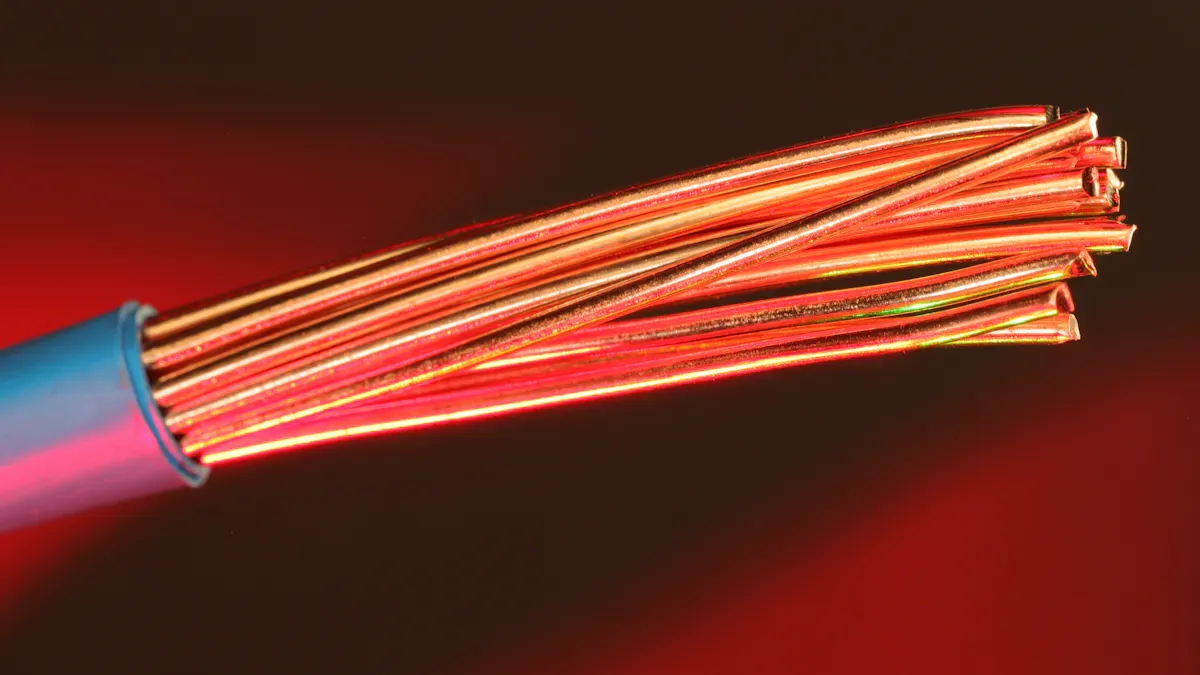
When you look at tinned and bare copper, you find big differences. Tinned copper wire has a thin tin layer. This layer keeps water and chemicals away from the copper. It is a better pick for places with water, salt, or bad weather. Bare copper wire does not have this extra layer. It can rust faster if it gets wet or is outside.
You can check the table below to see how they match up:
Feature | Tinned Copper Wire | Bare Copper Wire |
|---|---|---|
Corrosion Resistance | High | Low |
Conductivity | High | Very High |
Durability | Greater in harsh areas | Standard |
Tinned copper wire protects better against rust and harm. It is great for boats, outside jobs, and factories. Bare copper wire lets electricity flow a little better. It is used more inside or in dry places. Pick tinned copper wire if you want it to last longer in tough spots.
You might see that tinned copper wire costs more. It can be up to 30% higher than bare copper wire. The price is higher because of the tinning step. This step gives the wire more safety and helps it last longer.
Think about where you will use the wire. Tinned copper wire is best for:
Boats and docks
Outdoor lights and solar panels
Underground trains
Machines that touch chemicals
Electrical boxes in damp places
Bare copper wire works well for:
Wires inside homes and offices
Dry and safe places
Projects where saving money matters most
Tip: If you need wire for outside, wet, or chemical-filled places, tinned copper wire is safer and lasts longer. For inside or dry spots, bare copper wire is a smart way to save money.
When you choose between tinned and bare copper, think about where you will use it and how long you want it to last. This helps you pick the best wire for your job.
When you pick tinned copper wire, you should think about the price. Making tinned copper wire takes more steps than making bare copper wire. This makes it cost more money. Tinned copper wire can be up to 30% more expensive than bare copper wire. If you have a big project or not much money, this higher price can be a problem.
Tinned copper wire costs more than bare copper wire. Bare copper is usually cheaper for big projects or when you need to save money.
The price is higher because of the tinning process. Each copper strand gets coated with tin. This step takes extra time and uses more materials. If you work where it is hot, wet, or the soil is dirty, the extra cost can be worth it. Tinned copper wire lasts longer in these tough places. You might save money later because you will not need as many repairs or new wires.
Here are some things to remember:
Tinned copper wire usually costs up to 30% more than bare copper wire because of the tinning process.
The higher price can be worth it if you use the wire in harsh places for a long time.
Stronger wires can help you save money on fixing and replacing them.
You also need to think about how well tinned copper wire carries electricity. The tin coating makes the wire carry electricity a little less well. Tinned copper wire keeps about 95–97% of pure copper’s conductivity. For most jobs, this small drop does not cause problems. Your machines and devices will still work fine.
The tin coating makes the wire a little less conductive, keeping 95–97% of pure copper's conductivity.
This small change does not really affect how electricity flows in most uses.
Tinned copper wire is good in places with lots of moisture or chemicals because it stops rust and keeps the wire working well.
If you need the very best conductivity, bare copper wire might be better. But for most jobs, tinned copper wire works well and gives extra protection.
Tinned copper wire is good because it does not rust easily. It is simple to solder and lasts a long time in tough places. Bare copper wire is cheaper and works best inside buildings. Look at this table to help you pick the right wire:
Factor | Tinned Copper Wire | Bare Copper Wire |
|---|---|---|
Corrosion Resistance | High | Low |
Cost | Higher | Lower |
Best Use | Wet, harsh environments | Dry, indoor projects |
Think about where you will use the wire and how much you want to spend. Pick the wire that fits your project best. If you need extra safety or high quality, check for industry certifications.
You use tinned copper wire to protect against rust and corrosion. The tin coating helps the wire last longer, especially in wet or harsh places.
Yes, you can use tinned copper wire for marine wiring. The tin layer protects the wire from saltwater and moisture, making it a top choice for boats and docks.
Tinned copper wire carries electricity almost as well as bare copper wire. The small drop in conductivity does not affect most electrical systems.
Store tinned copper wire in a dry, cool place. Keep it away from chemicals and direct sunlight. This helps the wire stay in good condition.
You will find tinned copper wire very easy to solder. The tin coating helps the solder flow and stick, making your connections strong and reliable.


