
English 
T: +86-571-8663-6649
E: hzbjys@hzbjys.com
E: hzbjys@hzbjys.com
7/F, 1st Building Of ZhongHao WangJiang International Center, NO.332 East WangJiang Road, HangZhou, ZheJiang, China.
Views: 0 Author: Site Editor Publish Time: 2026-06-09 Origin: Site


You can bend aluminum pipe with the right tools and a little know-how. Using the right technique keeps your aluminum smooth and strong. If you use quality bending tools, you get fewer defects like wrinkles or cracks.
Custom mandrels and dies help keep the shape of your aluminum.
Lubrication and careful force prevent damage while bending.
You see bent aluminum every day in things like tent poles, furniture, and even car parts. With a few tips, you can bend aluminum at home and get great results.
Use the right tools like tube benders for smooth bends.
Clean and prepare pipes to avoid scratches and dents.
Choose softer aluminum grades for easier bending.
Fill pipes with sand to prevent kinks during hand bending.
Wear safety gear like gloves and glasses for protection.
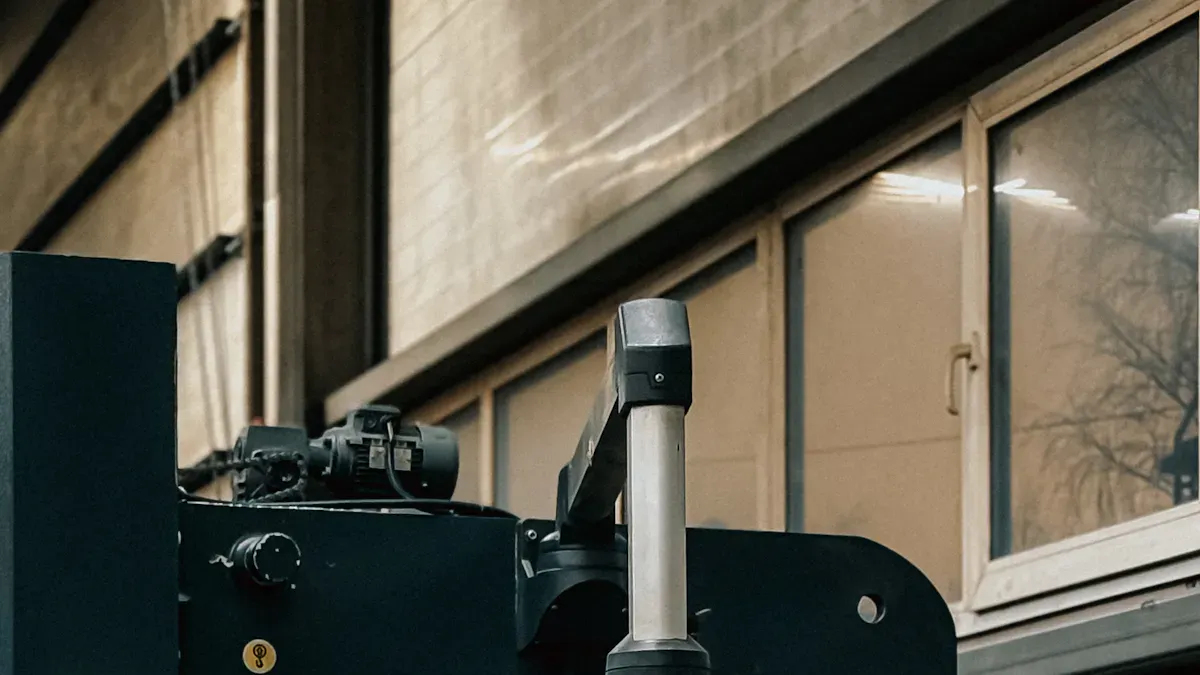
You need the right tools to bend aluminum pipe well. A tubing bender is very helpful for this. There are manual, hydraulic, and CNC tubing benders. Manual machines are good for easy jobs. Hydraulic and CNC machines are better for hard shapes and when you need accuracy. Look at this table to see the main tools and what they do:
Tool Type | Advantages |
|---|---|
Aluminum Tube Bending Machines | Makes bends even, lowers mistakes, saves time, and bends faster. |
There are different ways to bend aluminum pipe. Press brake bending is good for careful work. Roll bending is best for big curves. Mandrel bending helps you make tight bends without wrinkles. Air bending lets you bend at many angles. Bottoming or coining is very exact. Stretch bending is for tricky curves. Hot bending heats the pipe so it does not break.
Sometimes you need more help for hard bends. Special mandrel designs give better support and are easier to remove. Manual or hydraulic benders help you make the same bend many times. You can fill the pipe with sand to stop kinks and crushing. Lubrication helps the pipe bend smoothly and keeps the surface safe.
Tool Type | Benefit |
|---|---|
Manual or Hydraulic Benders | Make bends that are the same each time |
Advanced Mandrel Designs | Give better support and are easier to remove |
Safety is important when bending aluminum pipe. Always wear safety glasses to keep your eyes safe. Gloves protect your hands from sharp edges. Steel-toed shoes keep your feet safe from heavy things.
Safety Gear | Prevented Injuries |
|---|---|
Safety Glasses | Eye injuries |
Gloves | Hand injuries |
Steel-Toed Footwear | Foot injuries |
Tip: Keep your work area clean and bright. This helps you stay safe and finish your project well.
If you need good aluminum pipes for your next project, HZ Target Metal has many choices. You can get pipes for building, airplanes, or other uses. Their pipes work for many jobs and help you do your best.
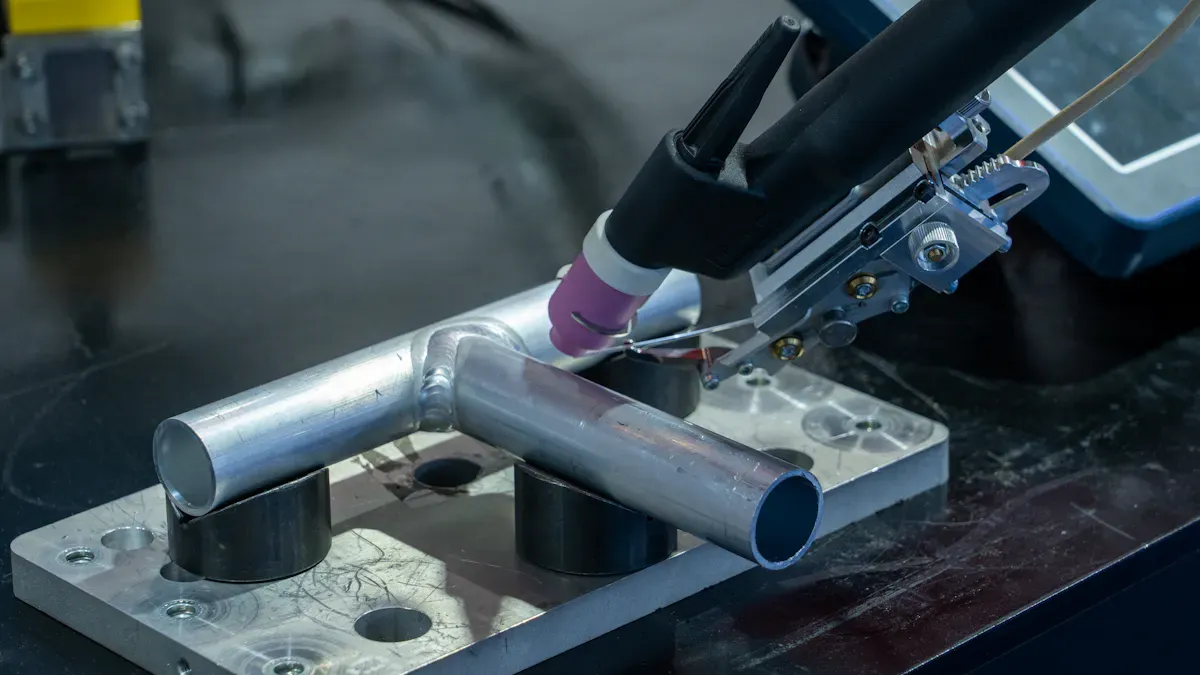
You want your aluminum pipe ready before you start bending. Clean the surface and check for dents or scratches. Make sure your tools are in good shape. If you use worn or deformed bending dies, you might get scratches or uneven wall thickness. That weakens your pipe. Look at this table to see common mistakes and how you can avoid them:
Mistake | Issue Description | Solutions |
|---|---|---|
Worn or Deformed Bending Dies | Causes surface scratches and uneven wall thickness, weakening tubes. | Choose hardened materials for dies. Inspect for wear. Clean dies before use. Store dies properly. |
Improper Tool Selection | Using inappropriate tools can lead to deformation or tool failure. | Use material-specific tools. Verify tool capacity. Choose reputable brands. Train operators. |
Incorrect Bend Radius | Insufficient radii can cause wrinkling and reduced structural integrity. | Maintain minimum bend radii. Adjust based on material ductility. Use preset dies. Employ progressive bending techniques. |
You need to measure your pipe and mark the spot where you want the bend. Use a marker or tape. Double-check your angle and minimum bend radius. If you skip this step, your bend might not fit your project.
Tip: Clean your pipe and tools before you start. Dirt and debris can scratch the aluminum and mess up your bend.
A tube bender helps you make smooth, accurate bends. You can use manual, hydraulic, or CNC tube benders. Manual tube benders rely on your strength and work well for small jobs. Hydraulic tube benders use pressure and can handle thick or hard pipes. CNC machines make many bends in one pipe and keep every angle consistent.
Here’s how you use a tube bender:
Place your aluminum pipe in the bender.
Align the mark with the bending die.
Set the angle you want.
Apply force slowly and watch the pipe bend.
Release the pipe and check the angle.
You get better accuracy and pipe integrity with advanced machinery. These tools help you avoid defects and keep your aluminum pipe strong. If you want a large radius bend or need to bend at a sharp angle, use the right die and adjust your settings.
Note: Always use proper lubrication. High-viscosity grease or MoS₂-based paste reduces friction and helps the pipe flow smoothly. Avoid chlorine-based lubricants because they can cause stress corrosion.
Sometimes you need to bend aluminum pipe by hand. Sand filling is a classic trick. You fill the pipe with sand, cap both ends, and bend it slowly. The sand supports the inside and keeps the pipe from collapsing.
Here’s how to bend aluminum tubing with sand filling:
Fill the pipe with dry sand.
Seal both ends with caps or tape.
Mark the spot and angle for your bend.
Bend the pipe slowly around a jig or form.
Check the angle as you go.
Sand filling works best for thinner pipes. It helps you keep the shape and avoid kinks. If you want a large radius bend, use a bigger jig. For tight angles, bend slowly and use heat if needed.
Tip: Sand acts as a filler and keeps the inner walls from collapsing. If you want a clean bend, don’t rush.
You can bend aluminum pipe using cold or heat methods. Each has its own pros and cons. Check out this table:
Bending Method | Advantages | Disadvantages |
|---|---|---|
Cold Bending | Fast and efficient process without the need for heating. Cost-effective equipment suitable for smaller companies. | Not suitable for radical bends, which can cause creasing or breaking. |
Hot Bending | Allows for precise shaping and can bend materials with poor cold ductility. Capable of achieving smaller bending radii. | Requires cooling time after bending, leading to increased processing time. More expensive and complex machinery compared to cold bending. |
Cold bending works well for most jobs. You just use a tube bender or roll bender and set your angle. If you need a sharp angle or a tight bend, heat the pipe with a torch. Heat bending lets you shape aluminum more easily and get smaller radii. Let the pipe cool before you use it.
Tip: Always check the angle and minimum bend radius before you start. If you bend too much, you might crease or break the pipe.
You want your bends to look clean and stay strong. Kinks and collapse can ruin your aluminum pipe. Here are some tips to help you:
Tip | Description |
|---|---|
Use a mandrel | Employ a mandrel with the correct clearance to provide internal support and prevent kinking during the bending process. |
Check wall thickness | Ensure the wall thickness of the aluminum pipe is adequate, as thinner walls require more internal support to avoid collapse. |
Use the correct size bending mandrel | The mandrel should match the diameter of the tubing being bent to ensure proper support. |
Bend slowly and evenly | Gradually bend the tubing without forcing it to minimize the risk of kinking or breaking. |
You can also use sand filling or a tube bender for extra support. Lubrication helps the pipe move smoothly and reduces the risk of cracks. If you want to bend at a sharp angle, go slow and check your work often.
Callout: Always support your pipe during bending. If you use the right tools and take your time, you get clean bends and strong aluminum pipe.
Now you know how to bend aluminum tubing using different methods. You can make bends at any angle, avoid kinks, and keep your pipe strong. Try these steps and see how easy bending aluminum can be!
You want to pick the right aluminum pipe for bending. Not all grades bend the same way. Some are soft and flexible, while others are strong and stiff. Check out this table to see how different series compare:
Aluminum Series | Bendability Characteristics |
|---|---|
3000 Series | Fairly easy to bend, good flexibility. |
5000 Series | Stiffer, may require extra force or heat to bend. |
6000 Series | Balances strength and formability, bends well with care. |
2000 Series | High strength, difficult to form. |
7000 Series | High strength, challenging to bend. |
3xxx and 5xxx | Best for bending due to elongation and formability. |
If you want a pipe that bends easily, go for the 3000 or 5000 series. These work well for most DIY projects. The 6000 series, like 6061-t6 aluminum, gives you a good mix of strength and bendability.
The grade you choose changes how your aluminum bends. Softer grades bend with less force. Harder grades, like 6061-t6 aluminum, need more care. If you use a hard temper, you might see cracks or wrinkles. Softer tempers, like O-temper, bend much easier.
Aluminum Alloy | Key Properties | Recommended Use |
|---|---|---|
3003 | Very good cold workability, high elongation | General-purpose bending |
5052 | Good formability when annealed | Marine, sheet metal work |
6063 | Good formability, moderate strength | Clean bends |
6061-t6 aluminum | Versatile, needs careful handling | General applications |
Ductility matters a lot. Softer aluminum bends without breaking. If you heat the pipe to 300–400°F, it bends even easier. Just don’t overheat it.
When you pick an aluminum pipe, think about what you need for your project. Do you want something strong or easy to shape? Here are some things to keep in mind:
Material composition changes how flexible your pipe is.
3000 series bends easily and resists rust.
5000 series is stronger but needs more force to bend.
6000 series, like 6061-t6 aluminum, balances strength and formability. You need to bend it slowly and use the right tools.
6061-t6 aluminum works for many jobs, but you must watch out for cracking if you bend it too fast.
Aluminum’s springback means it tries to return to its old shape after bending. Bend a little more than you need, so you get the right angle.
If you want the best results, match your aluminum pipe grade to your project’s needs. HZ Target Metal offers all these series, so you can always find the right pipe for your next bend.
You want your aluminum pipe to look great after bending. Many people rush or skip steps, which leads to problems. Always measure twice and mark your bend spot clearly. If you use the wrong tool or push too hard, you might crush or kink the pipe. Try practicing on a scrap piece first. This helps you get a feel for how the aluminum moves.
Tip: Slow and steady wins the race. If you bend too fast, you can crack the pipe. Take your time and check your work as you go.
Sometimes things go wrong during bending. You might see a small dent or a flat spot. Don’t worry! You can fix minor deformations if you catch them early. Use a wooden dowel or a round bar to gently tap out dents from inside the pipe. For small kinks, heat the area with a heat gun and slowly reshape it. If the bend is too sharp or the pipe collapses, you may need to start over with a new piece.
Here’s a quick table to help you troubleshoot:
Problem | Quick Fix |
|---|---|
Small dent | Tap gently from inside |
Flat spot | Re-bend with more support |
Kink | Apply heat, reshape slowly |
You want every bend to look clean and match your project. Use a mandrel inside the aluminum pipe for support. This keeps the shape and stops kinks. Control your bending speed—too much force can cause buckling, but too little leaves the bend incomplete. If you use a CNC bender, you get very precise results. For hand bending, keep the temperature steady. Warm aluminum bends easier and reduces cracks.
Use the right mandrel for your pipe size.
Bend slowly and check your angle often.
Practice on scrap pipe before your final piece.
Remember, softer alloys like 3003 and 5052 bend easier. Harder alloys need more care. If you follow these tips, you’ll get smooth, accurate bends every time.
You can bend aluminum pipe like a pro if you follow a few simple steps. Choose the right alloy, such as the 6xxx or 3xxx series, to make each bend easier and cleaner. Use the best tools for your project and always check the bend radius and angle before you start. Keep your workspace tidy and wear safety gear every time you bend. If you need to bend thick pipes or complex shapes, try special techniques or ask an expert. Remember, HZ Target Metal offers pipes with different diameters and wall thicknesses, so you can bend pipes that fit your needs. Practice on scrap pipe and finish your bends with care. Stay safe, bend confidently, and enjoy your results!
Tip: Always bend before temper treatment and finish the surface after you bend for the best outcome.
Wear protective equipment when you bend.
Follow machine safety guidelines for every bend.
Use proper lifting techniques if you bend heavy pipes.
Keep your work area clean before you bend.
Never bend alone—have someone nearby.
Explore HZ Target Metal’s range to find aluminum pipes that bend perfectly for your next project.
You can bend aluminum pipe by hand if you use sand filling and a simple jig. For best results, use a tube bender. This tool helps you get smooth, accurate bends.
The 3000 and 5000 series bend easily. You can use 6061-t6 aluminum for general projects, but bend slowly and check for cracks. Softer grades work best for beginners.
Tip: Fill the pipe with sand or use a mandrel. Bend slowly and support the pipe. Lubrication helps the pipe move smoothly and keeps the shape.
You can heat aluminum pipe for tight bends. Use a heat gun or torch. Warm aluminum bends easier and reduces cracks. Don’t overheat the pipe.
You can find high-quality aluminum pipes at HZ Target Metal. They offer many grades and sizes for different projects. Check their selection for pipes that bend well.


