
English 
T: +86-571-8663-6649
E: hzbjys@hzbjys.com
E: hzbjys@hzbjys.com
7/F, 1st Building Of ZhongHao WangJiang International Center, NO.332 East WangJiang Road, HangZhou, ZheJiang, China.
Views: 0 Author: Site Editor Publish Time: 2026-06-11 Origin: Site


If you want to cut aluminum pipe safely and get accurate results, you need to pick the right tool, wear your safety gear, and take your time with each step. The way you cut matters a lot—clean cuts help your aluminum pipe fit better, weld smoother, and last longer. When you cut aluminum tubes with care, you avoid rough edges that can cause problems later, like poor assembly fit or even cracks. Always aim for a smooth edge so your finished parts look great and work as they should.
Pick the right tool to cut aluminum pipe. Manual tube cutters work well for thin pipes. Chop saws are better for thick pipes.
Always wear safety gear like safety glasses and gloves. This keeps you safe from metal chips and sharp edges.
Measure your pipe and mark it before you cut. Use a straight edge to help make your cuts accurate. This helps you not waste any pipe.
Clamp your pipe tight so it does not move when you cut. This makes your cut more exact and keeps your hands safe from the blade.
Deburr the edges after you cut to get rid of sharp burrs. This makes the edge smooth and safe to touch.
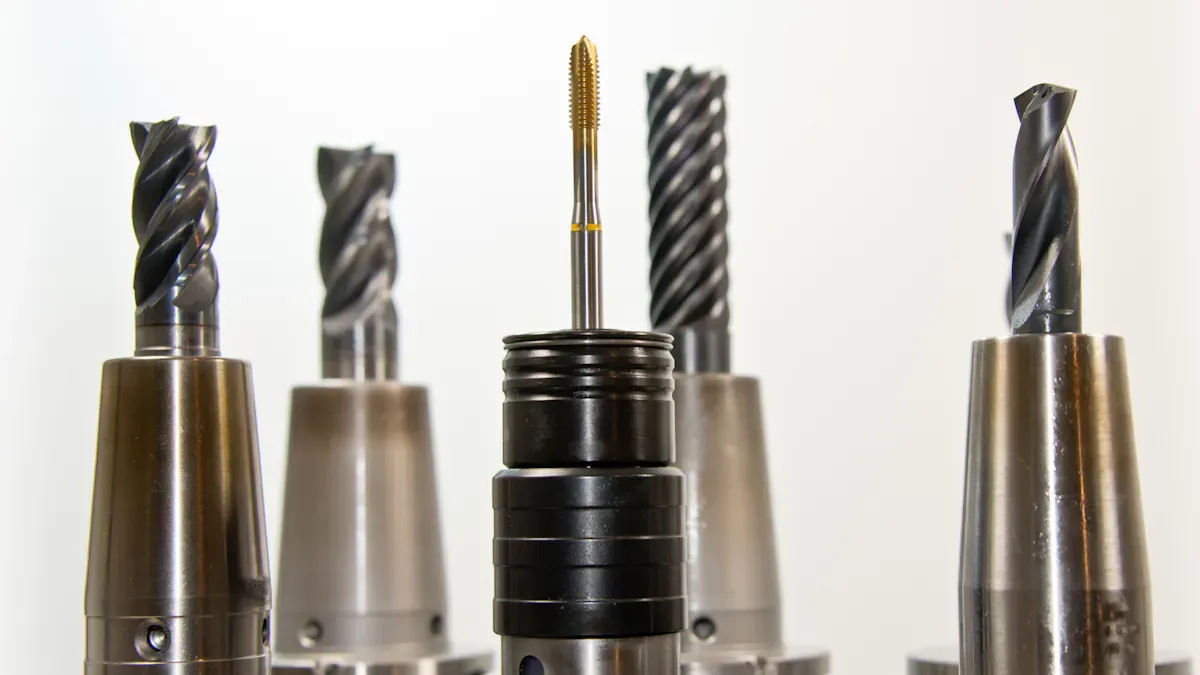
When you want to cut aluminum pipe, picking the right tool makes a big difference. You have several options, and each one works best for certain jobs. Let’s look at the most common tools you can use to cut aluminum tubes.
Manual tube cutters and hacksaws are great for small jobs or when you need a simple setup. A manual pipe/tube cutter gives you cleaner and straighter cuts. It is also safer because you have more control and less risk of injury. A hacksaw can cut through aluminum pipe, but it may leave jagged edges and is harder to control. If you use a hacksaw, choose a fine-toothed blade for better results.
Tip: Use a manual tube cutter for thin-walled pipes or when you want a smooth finish.
Here’s a quick comparison:
Tool Type | Cut Quality | User Safety |
|---|---|---|
Manual Tube Cutter | Cleaner and straighter cuts | Generally safer, less risk of injury |
Hacksaw | Jagged edges, less precision | Higher risk due to sharp blade |
For bigger jobs or thicker pipes, power saws and chop saws work well. A chop saw with a carbide blade can cut aluminum pipe quickly and accurately. Mitre saws with non-ferrous blades let you make angled cuts, which is helpful for special projects. Both tools need you to follow safety rules because they create sparks and metal dust. Always wear safety glasses and a face shield.
Band saws can cut thin-walled pipes if you use the right blade.
Chop saws work well with abrasive cutting wheels made for metal.
Entry-level chop saws start around $150, while pro models can cost up to $800.
Tool Aspect | Chop Saw | Mitre Saw |
|---|---|---|
Primary Materials | Metal, rebar, masonry | Wood, plastic, soft metals |
Cutting Capability | 90-degree straight cuts | Angled cuts 0-50 degrees |
Best Applications | Construction, metalwork | Carpentry, trim work |
So, what is the best way to cut aluminum tube? It depends on your project and the type of aluminum pipe you have. If you work with HZ Target Metal’s 7xxx series, which is strong and tough, a chop saw or band saw is a good choice. For 6xxx series pipes, which resist corrosion, a manual tube cutter or mitre saw works well. If you need high-precision cuts for aerospace or electrical use, consider laser or waterjet cutting.
HZ Target Metal offers a wide range of aluminum pipes, so you can always find the right pipe for your cutting method. No matter which tool you pick, always focus on safety and accuracy for the best results.
Before you start cutting aluminum pipe, you need to put on the right safety gear. This gear keeps you safe from flying metal chips, sparks, and sharp edges. Here’s a quick look at what you should wear:
PPE Type | Recommendations |
|---|---|
Clothing | Fire-resistant clothing is essential; wool is better than synthetics. |
Safety Glasses | Z87.1 approved safety glasses with side shields protect your eyes. |
Shoes | Leather boots with ankle coverage and safety-toe protection work best. |
Gloves | Heavy, flame-resistant gloves help prevent burns and cuts. |
Don’t forget ear plugs or a face shield if you use power tools. You want to protect your hearing and face from loud noise and flying debris.
A safe workspace makes a big difference when you cut aluminum pipe. You want a clean, flat surface with good lighting. Always keep your area free from clutter. When you set up your pipe, use clamps or a vise to hold it steady. This step helps you get better cut precision and keeps your hands safe.
Clamping the pipe stops it from moving, so your cuts stay straight and safe.
Using more than one clamp or a vise gives you the best hold.
Clamping also keeps the cut-off piece from getting pulled into the blade.
If you skip clamping, the pipe might slip or spin. That can lead to accidents or uneven cuts.
Cutting aluminum pipe can create heat, especially with thicker or high-strength pipes. Too much heat can warp the pipe or dull your blade. To avoid this, use a lubricant like cutting oil or even a little soapy water. Lubricants help the blade move smoothly and keep the pipe cool. You get a cleaner cut and your tools last longer.
Take your time and use slow, steady pressure. Rushing can cause the blade to overheat or bind. If you follow these steps, you’ll get safer, smoother results every time you work with aluminum pipe.
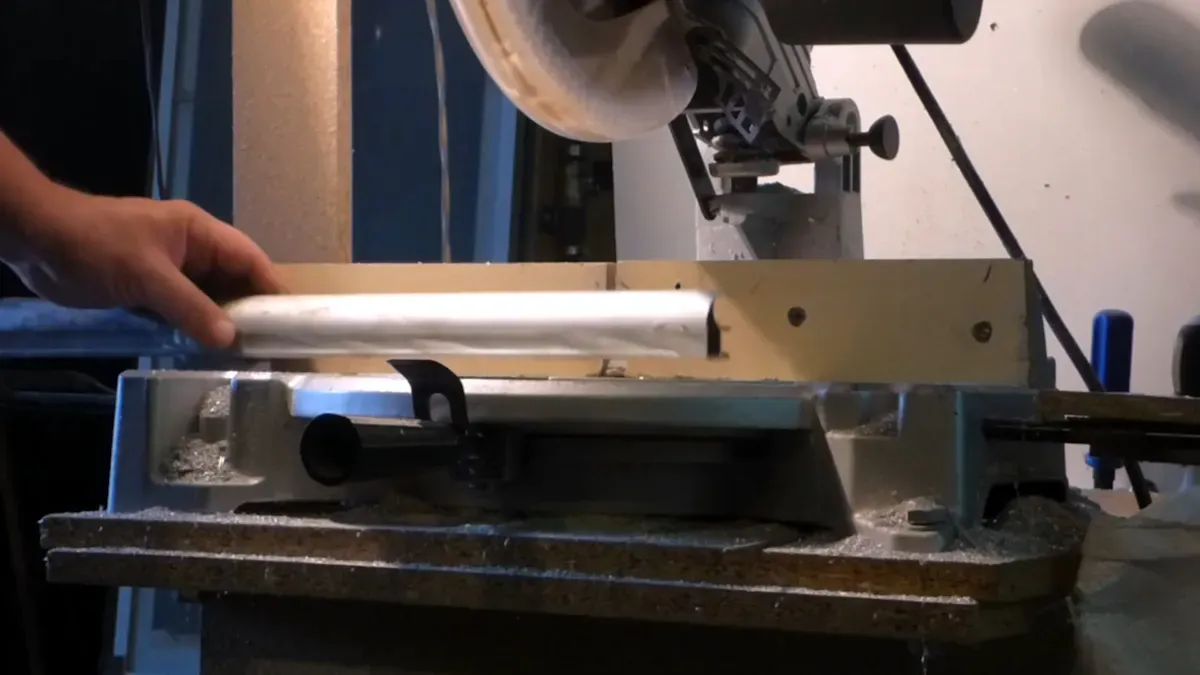
Cutting aluminum pipe with accuracy starts before you even touch a saw or cutter. You want every piece to fit perfectly, so let’s walk through the steps that help you get clean tube cuts every time.
Getting a straight, accurate cut begins with careful measuring and marking. Here’s a simple way to do it:
Place your aluminum pipe on a stable surface. This keeps it from rolling while you work.
Use a tape measure to find your cut location. Start from a reference edge and make a small tick mark where you want to cut.
Take a straight strip of paper or masking tape. Wrap it evenly around the pipe. Make sure the edges meet up without spiraling.
Line up the edge of the wrap with your tick mark.
Use a fine marker or a scribe to trace along the edge of the wrap. This gives you a straight, clear line all the way around.
Lightly shade the waste side of the pipe. This helps you see which side to cut and keeps your work neat.
Tip: Always double-check your measurements before you start cutting. A small mistake here can lead to wasted material.
You want your aluminum pipe to stay put while you cut. Clamping is the best way to keep things steady and safe. Place the pipe in a vise or use sturdy clamps on both sides of your cut line. Make sure the pipe does not move or twist. This step helps you get better cut precision and keeps your hands away from the blade.
If you work with thin wall pipes, use soft jaws or padding in your vise. This prevents dents or scratches. For thicker or structural pipes, use extra clamps for more support.
Note: Never try to hold the pipe by hand while cutting. Clamping gives you control and helps you make a straight, clean cut.
Now you’re ready to cut. The best way to cut aluminum tube depends on your tools and the type of pipe you have. Let’s look at some common methods:
A manual pipe/tube cutter works great for thin-walled pipes and gives you smooth, straight cuts. Here’s how you use it:
Mark your cut line clearly.
Place the cutter wheel right on the line. Tighten the cutter until it touches the pipe firmly.
Rotate the cutter around the pipe. After each full turn, tighten the knob a little more.
Keep turning and tightening in small steps. The cutter will score deeper each time.
Continue until the pipe separates cleanly.
Use a deburring tool to smooth the inside and outside edges.
This method works well for 6xxx series pipes from HZ Target Metal, which are often used in construction and need a clean finish.
If you use a hacksaw, pick a fine-toothed blade for the best results. Secure the pipe with clamps. Saw slowly along your marked line. Let the blade do the work. Don’t rush or force it. This helps you avoid jagged edges. After cutting, use a file or deburring tool to smooth out any rough spots.
This method is good for general-purpose 3xxx series pipes or when you don’t have a tube cutter handy.
For thicker or high-strength pipes, like the 7xxx or 2xxx series, a chop saw or miter saw with a non-ferrous blade is a smart choice. Clamp your pipe securely. Align the blade with your marked line. Lower the saw slowly and let it cut through at a steady pace. Use cutting oil to keep things cool and get a smoother finish.
If you need high-precision cuts for aerospace or electrical projects, you might use advanced tools like a band saw or even a laser cutter. These tools work well with HZ Target Metal’s aerospace-grade or high-purity aluminum pipes.
Tip: Always deburr your cut edges. This step keeps your parts safe to handle and ready for assembly.
No matter which method you choose, take your time and follow each step. You’ll get clean tube cuts and professional results every time you cut aluminum pipe.
After you cut aluminum pipe, you’ll notice sharp burrs or rough spots on the edges. You want to remove these for safety and a professional look. Here’s how you can get clean tube cuts every time:
Grab a deburring tool and run it around the inside and outside of the pipe. This tool works fast and fits most sizes.
For tight corners, use a small file or a cotton fiber mounted point.
Start with a coarse file to knock down big burrs, then switch to a finer file for a smooth finish.
Sand the edge with medium grit sandpaper, then move to a finer grit. Use a sanding block for flat spots and a flexible sponge for curves.
If you have a lot of pipes to finish, try a deburring wheel or flap disc on a grinder. Use light pressure so you don’t damage the pipe.
For a polished look, sand in stages and buff the edge, checking your progress as you go.
Sometimes, your cut doesn’t turn out perfect. Maybe the edge feels rough or the pipe looks a little bent. Here’s what you can do:
Check your cutting tool. A dull blade or too much pressure can cause rough edges. Switch to a sharp blade and slow down your feed rate.
Make sure you clamp the pipe close to the cut. This keeps it from moving or vibrating.
If you see heavy burrs, reduce your cutting force and support the exit side of the pipe.
For thin-wall pipes, use lighter clamping pressure to avoid squishing or deforming the ends.
Always deburr after cutting to smooth out any leftover roughness.
Problem | Cause | Solution |
|---|---|---|
Wandering cut | Pipe moved during cutting | Reclamp and support both sides |
Rough edge | Dull blade, fast feed | Use sharp blade, slow down |
Pipe deformation | Over-clamping | Use lighter pressure |
If you need super clean tube cuts or you’re working with lots of pipes, advanced tools can help. CNC saws and automatic pipe cutting machines give you amazing accuracy and speed. These machines can cut thousands of pieces per hour and keep every cut exactly the same. You’ll see this in industries like aerospace, automotive, and oil and gas, where precision matters most. Automated systems also let you work hands-free, which boosts safety and saves time. If you want the best results for your aluminum pipe projects, consider upgrading to advanced cutting solutions.
You can cut aluminum pipe safely and accurately by following some easy steps. First, make sure your work area is steady and safe. Measure your pipe with care before you start. Always wear the right safety gear to protect yourself. Pick the best tool for your job. Good tools and sharp blades help you make clean cuts. HZ Target Metal aluminum pipe is strong and does not rust easily. It is also simple to work with.
Advantage | Description |
|---|---|
Superior Heat Treatability | Makes the pipe stronger for tough jobs. |
Balanced Strength-to-Weight Ratio | Your projects stay strong but are not too heavy. |
Excellent Corrosion Resistance | The pipe works well outside or in wet places. |
Versatile Processability | You can cut, drill, or weld it for many uses. |
Broad Temper Range | The pipe fits lots of different jobs. |
Strict Quality Compliance | It meets high standards for being correct and reliable. |
If you need help or want a special solution, contact HZ Target Metal. They will give you the support you need for your project.
You get the best results by using a manual pipe/tube cutter or a chop saw with a non-ferrous blade. These tools help you achieve clean tube cuts and high cut precision. Always measure and mark your aluminum pipe before you start.
Yes, you can use a hacksaw. Pick a fine-toothed blade for smoother results. Clamp your aluminum pipe tightly. Saw slowly along your marked line. This method works well for small jobs or when you do not have power tools.
To avoid rough edges, use a sharp blade and steady pressure. After you cut aluminum pipe, use a deburring tool or sandpaper to smooth the ends. This step gives your aluminum pipe a safe, finished look.
If your aluminum pipe bends or flattens, you might be clamping too hard or using too much force. Use lighter pressure and support both sides of the pipe. This helps keep your cut straight and protects the pipe shape.
Yes, using a little cutting oil or soapy water helps reduce heat and makes cutting aluminum pipe easier. Lubricant also helps your blade last longer and improves cut precision, especially with thicker or high-strength aluminum pipe.


