
English 
T: +86-571-8663-6649
E: hzbjys@hzbjys.com
E: hzbjys@hzbjys.com
7/F, 1st Building Of ZhongHao WangJiang International Center, NO.332 East WangJiang Road, HangZhou, ZheJiang, China.
Views: 0 Author: Site Editor Publish Time: 2026-04-03 Origin: Site


Have you ever held a wire and wondered what it really does? Many people assume it blocks electricity because of its outer coating. This creates a common misunderstanding about Copper Wire and its true role.
In fact, Copper Wire is a conductor, not an insulator. The confusion comes from the plastic or rubber layer around it. That outer layer protects us, while the copper inside carries electrical current efficiently. This simple structure supports many systems we use every day. In this article, we will explore how Copper Wire works and why it conducts electricity so well. You will also learn how insulation fits into the design and why reliable suppliers like Target focus on quality copper materials for safe and efficient performance.
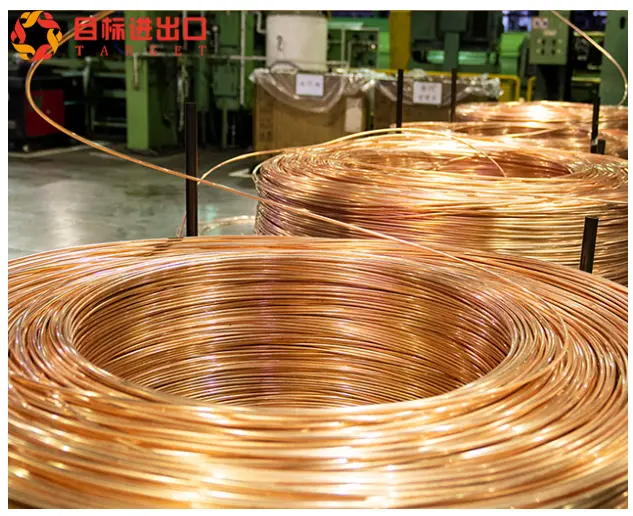
Copper Wire is classified as a conductor because it allows electrical current to flow freely. Inside copper, electrons move easily between atoms. This movement creates a smooth path for electricity. That’s why copper has been used in electrical systems for over a century.
When electricity flows through Copper Wire, it encounters very little resistance. This makes it efficient for transferring energy from one point to another. Compared to many materials, copper offers a reliable and consistent flow of current, which is why it remains a top choice in wiring systems worldwide.
Many people assume Copper Wire is an insulator because they rarely see the metal itself. Instead, they see wires covered in plastic or rubber. These materials are insulators, meaning they block electrical flow.
This outer coating is essential for safety. It prevents accidental contact and protects users from electric shock. However, it does not change the nature of the copper inside. The Copper Wire still conducts electricity—it is simply shielded by a protective layer.
We should clearly distinguish two types. Bare Copper Wire contains only the metal. It conducts electricity directly. Insulated Copper Wire combines copper and a protective coating. This design allows safe use in open environments.
Below is a simple comparison:
Type | Structure | Function | Typical Use |
Bare Copper Wire | Pure copper | Direct conduction | Grounding, enclosed systems |
Insulated Copper Wire | Copper + coating | Conduction + protection | Homes, appliances |
Both types rely on copper for conductivity. The difference lies in safety and application context.
Think of it this way: copper carries the electricity, and the outer layer keeps everything safe. One handles performance, and the other handles protection. When you separate these roles, the confusion disappears.
Note: When evaluating any wire, always identify the core material first. The outer layer does not define whether it conducts electricity.
One of the main reasons Copper Wire performs so well is its low electrical resistance. Resistance slows down electrical flow and turns energy into heat. Copper minimizes this effect, allowing more energy to reach its destination.
This efficiency becomes especially important in large systems. Whether in buildings or industrial setups, lower resistance means less energy waste and better system performance. Over time, this also contributes to energy savings and improved reliability.
Copper ranks among the best conductive materials available. While silver conducts slightly better, it is far more expensive. Copper offers a strong balance between performance and cost, making it the practical choice for most applications.
That’s why many manufacturers and suppliers, including Target, focus on delivering high-quality copper materials for electrical use. Their products are designed to meet both industrial demands and everyday electrical needs, ensuring consistent conductivity.
Copper is highly ductile, meaning it can be stretched into thin wires without breaking. This property allows manufacturers to create different types of Copper Wire, including solid and stranded versions.
Stranded wires, for example, are made of multiple thin copper strands twisted together. They offer greater flexibility, which is useful in applications where wires must bend or move frequently. This versatility makes copper suitable for a wide range of uses.
Copper also stands out for its durability. It resists corrosion and maintains its conductive properties over time. This makes it a dependable option for long-term installations.
Whether used in residential wiring or industrial systems, Copper Wire continues to perform under different environmental conditions. Its stability reduces maintenance needs and ensures consistent electrical performance.
The copper core is the heart of any electrical wire. It provides a pathway for electricity to travel. Without it, there would be no effective way to transfer electrical energy.
Copper’s structure allows electrons to move freely, which supports steady and efficient current flow. This is why it is used in everything from small electronic devices to large power systems.
The insulating layer surrounds the Copper Wire and serves as a protective barrier. It prevents electrical current from escaping and protects users from accidental contact.
This layer also helps avoid short circuits. When wires touch each other without insulation, it can lead to system failure or damage. Insulation keeps everything separated and controlled, improving safety and reliability.
Several materials are commonly used for insulation, including:
● Plastic (such as PVC)
● Rubber
● Specialized industrial coatings
Each material is selected based on the environment and application. For example, some coatings resist heat, while others protect against moisture or chemicals. Together, they enhance the overall performance of the Copper Wire system.
Bare Copper Wire refers to copper without any outer coating. It is often used in controlled environments where there is little risk of accidental contact.
You might find it in grounding systems or inside enclosed electrical components. In these cases, the focus is purely on conductivity, and additional protection is not required.
Insulated Copper Wire includes a protective outer layer. This type is commonly used in homes, appliances, and industrial systems where safety is critical.
The insulation allows the wire to be handled safely and installed in exposed areas. It also protects the copper from environmental factors, helping extend its lifespan.
Selecting the correct wire depends on the environment. Exposed areas require insulation. Controlled spaces may use bare copper.
Here is a quick selection guide:
Environment | Recommended Type | Reason |
Open spaces | Insulated Copper Wire | Safety protection |
Enclosed systems | Bare Copper Wire | Direct conductivity |
Industrial setups | Insulated or coated | Environmental resistance |
Suppliers like Target offer customized copper solutions. They help match materials to specific requirements. This ensures both safety and performance.
Tip: Always consider exposure level before selecting wire type.
Copper Wire is widely used in residential buildings. It runs behind walls, inside conduits, and throughout electrical systems. Its conductivity ensures stable power delivery for everyday use.
From lighting to appliances, copper wiring supports the functions we rely on daily. Its reliability makes it the preferred choice for home construction and renovation.
Power cords use Copper Wire to transfer electricity from outlets to devices. The copper ensures efficient energy flow, while the insulation keeps users safe.
This combination allows us to use electrical devices without worrying about direct contact with live current. It is a simple but essential design that supports modern living.
In vehicles and industrial equipment, Copper Wire provides both flexibility and durability. It can handle vibration, movement, and varying conditions without losing performance.
This makes it ideal for complex systems where reliability is critical. From engines to machinery, copper wiring plays a key role in keeping operations running smoothly.
When choosing a conductive material, performance, cost, and reliability all matter. Copper Wire stands out because it offers a strong balance across these factors. To better understand its advantages, it helps to compare it directly with other common conductors like silver and aluminum.
Material | Conductivity | Cost Level | Practical Use | Overall Advantage |
Silver | Highest conductivity among metals | Very high | Limited to specialized applications | Best performance but not cost-effective |
Copper Wire | Very high conductivity, close to silver | Moderate | Widely used in electrical systems | Best balance of performance and cost |
Aluminum | Lower than copper | Low | Used in specific applications like power lines | Lightweight and affordable but less efficient |
Copper Wire delivers nearly the same conductivity as silver but at a much lower cost. This makes it the preferred choice for most electrical applications. Compared to aluminum, it provides better efficiency and long-term stability, making it more reliable for consistent performance over time.
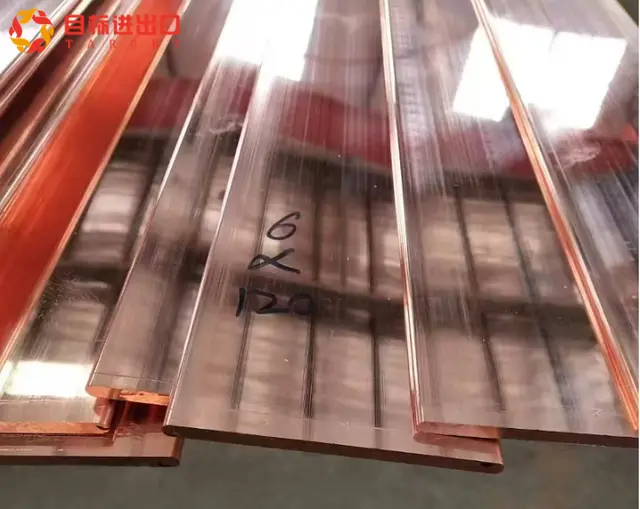
To determine whether a wire is a conductor, look at its core. If it is made of copper, it is a conductor. The metal inside defines its electrical properties and performance. Even if the outer layer looks non-conductive, the core still carries current. This distinction is important when evaluating wires in real situations. Always focus on what is inside, not just what you see outside.
The outer coating is designed for protection. It does not change the nature of the Copper Wire inside. Instead, it adds safety, durability, and resistance to environmental factors.
Understanding this helps avoid confusion. A coated wire is still a conductor—it is simply insulated. This design allows safe use in both residential and industrial applications.
The environment also provides useful clues. Exposed copper usually indicates direct conduction in controlled settings. Coated wires are used where safety and protection are needed.
By looking at both structure and context, you can quickly understand how the wire functions. This approach helps you make better decisions when selecting or inspecting electrical materials.
Copper Wire is clearly a conductor. It carries electrical current efficiently and supports many modern systems. The confusion often comes from the outer insulating layer, not the copper itself. Once we understand the difference between the conductive core and the protective coating, the concept becomes much easier to grasp. High-quality Copper Wire ensures stable performance and long-term reliability. Companies like Hangzhou Target Import & Export Co., Ltd. provide well-processed copper materials designed for durability, precision, and consistent conductivity. Their solutions help meet different industrial and commercial needs.
In the end, copper carries the power, while insulation keeps it safe. Knowing how they work together helps you choose the right materials for any electrical application.
A: Copper Wire is a conductor. It allows electricity to flow easily through it. The outer coating may look like an insulator, but the copper inside always carries the current.
A: The coating protects users and prevents electrical accidents. Copper Wire still conducts electricity inside, while the outer layer blocks unwanted contact and improves safety.
A: Copper Wire is used in homes, power cables, appliances, vehicles, and industrial systems. It provides stable electrical flow and supports reliable performance in many environments.
A: Copper Wire conducts electricity more efficiently than aluminum. It also offers better durability and long-term stability, making it a preferred choice for many electrical systems.
A: Bare Copper Wire has no coating and is used in controlled settings. Insulated Copper Wire includes a protective layer, making it safer for general use in exposed environments.
A: Yes. High-quality Copper Wire improves efficiency, safety, and lifespan. Products from reliable suppliers, such as Hangzhou Target Import & Export Co., Ltd., provide consistent performance and long-term value.


