
English 
T: +86-571-8663-6649
E: hzbjys@hzbjys.com
E: hzbjys@hzbjys.com
7/F, 1st Building Of ZhongHao WangJiang International Center, NO.332 East WangJiang Road, HangZhou, ZheJiang, China.
Views: 0 Author: Site Editor Publish Time: 2026-04-01 Origin: Site


Why does the same batch of Copper Wire sometimes sell for a much higher price, even when the weight looks similar? This question often confuses both new sellers and experienced buyers. In reality, Copper Wire value is not fixed. It shifts based on purity, condition, insulation, and current market demand, which means small differences can lead to noticeable price gaps. Copper Wire remains one of the most valuable non-ferrous materials in both industrial use and recycling markets. However, two loads with the same weight can produce very different returns. Clean, stripped wire often earns far more than insulated or mixed material. This is why understanding classification and grading becomes essential when trying to estimate its true worth.
In this article, we will break down how Copper Wire is valued in real-world situations. You will learn how purity, grade, and recovery rate affect pricing, and how simple actions like sorting or stripping can improve returns. With insights supported by experienced suppliers such as Target, it becomes easier to evaluate Copper Wire quality and make more confident decisions.
Purity is the foundation of Copper Wire value. The higher the copper content, the more valuable the material becomes. Buyers prefer clean copper because it requires less refining before reuse. This reduces processing costs and increases resale efficiency.
For example, wire that contains close to pure copper will always be priced higher than material mixed with coatings, oxidation, or other metals. Even small impurities can lower classification.
In real transactions, recyclers often inspect color, surface condition, and flexibility to estimate purity quickly. Bright, reddish-orange Copper Wire usually indicates a higher grade. Duller or darker tones often signal lower value.
When evaluating Copper Wire, one key difference often affects the final price: whether the wire is insulated or stripped. Although both contain copper, they are treated very differently during pricing because of how much usable metal they actually provide and how much processing is required.
Buyers look beyond total weight and focus on efficiency. Insulated wire includes non-metal materials, while stripped wire presents pure copper directly. This difference explains why their value can vary significantly in real transactions.
Factor | Insulated Copper Wire | Stripped Copper Wire |
Composition | Copper + plastic/rubber insulation | Pure copper only |
Effective metal content | Lower due to non-metal materials | Higher, fully exposed copper |
Processing requirement | Requires additional separation or processing | Ready for immediate resale or use |
Pricing level | Lower price per kg or pound | Higher price per kg or pound |
Time/effort consideration | No prep needed before selling | Requires time, labor, or equipment to strip |
Best use case | Thin wires or small quantities | Thick cables or high-volume material |
While stripping can increase value, it is not always the best choice. Thin wires may not justify the effort, while thicker cables often deliver stronger returns after stripping.
Thickness, often measured by gauge, directly affects how Copper Wire is categorized. Thicker wires tend to have a higher copper recovery rate, meaning more usable metal per unit weight.
Grading also considers surface condition. Clean, smooth wire is easier to classify into higher-value categories. Wire with corrosion, solder, or coatings may be downgraded.
This classification system ensures consistency in pricing. Buyers rely on these categories to determine how much they are willing to pay.
Copper prices are influenced by global supply and demand. When industrial demand rises, Copper Wire prices usually increase. When supply grows or demand slows, prices may drop.
Regional factors also matter. Local recycling capacity, transportation costs, and buyer competition can affect pricing. Reliable sourcing channels, such as those supported by Target, help maintain stable supply and improve pricing transparency.
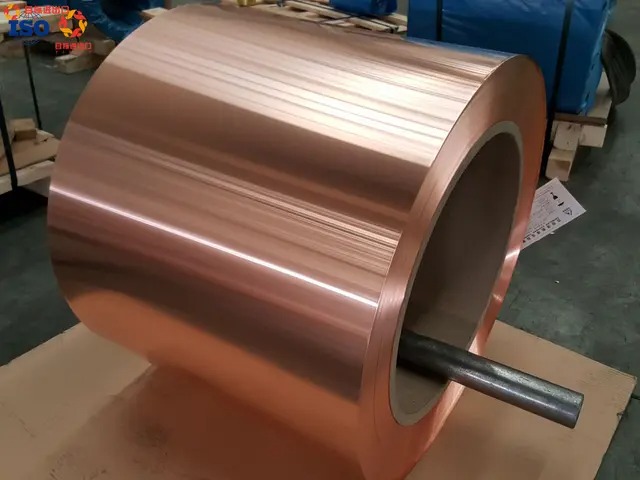
Bare bright Copper Wire is widely considered the most valuable category. It must be clean, uncoated, and free of oxidation or attachments. The surface should appear bright and shiny, with a consistent copper color.
Because it requires no additional processing, buyers can immediately resell or reuse it. This efficiency drives higher pricing. In many markets, bare bright copper commands the top rate among all scrap copper types. For sellers, achieving this grade often means removing insulation and ensuring the wire is free of contaminants.
#1 Copper Wire is slightly below bare bright but still highly valuable. It includes clean copper that may have minor imperfections, such as slight discoloration or minimal attachments.
This category often includes clean bus bars, pipes, or wire that remains largely uncontaminated. It still offers strong resale potential and is widely accepted by buyers.
Because it requires minimal processing, #1 Copper Wire maintains a high price point and is considered a reliable grade in most markets.
#2 Copper Wire includes material with visible oxidation, solder, or coatings. While it is not as clean as higher grades, it still contains a high percentage of copper.
Buyers typically pay less for this category because additional refining is required. However, it remains valuable and widely traded.
Understanding this grade helps sellers set realistic expectations and avoid misclassification that could reduce their returns.
The first step is simple, but it changes everything: separate clean wire from mixed wire and insulated wire. If everything goes onto one pallet or into one bin, buyers often default to a lower blended rate. They do it because mixed material takes more time to inspect, sort, and process. When we separate it first, we make the value easier to see and easier to defend. A practical inspection checklist helps:
● Look for insulation, paint, solder, or visible attachments.
● Check whether the surface is bright, dark, or heavily oxidized.
● Group similar wire together by condition and appearance.
● Keep premium material away from lower-grade scrap.
This step is not just about neatness. It directly affects trust during the quote process. Buyers feel more confident when they see sorted material, and that confidence often supports a better offer. It also helps sellers compare quotes more accurately because each buyer is looking at the same categories instead of guessing at a mixed pile.
Not all Copper Wire weight represents pure copper. Insulated wire may contain a large percentage of plastic or rubber. Even within metal, recovery rates vary depending on thickness. For example, thin wire may only yield around 70–75% copper, while thicker cable can exceed 90%. Understanding this helps estimate the true value of the material.
Accurate recovery estimates are especially important when dealing with large quantities or industrial material.
Many people ask for a single price per kilogram, but Copper Wire pricing does not work that way. Each grade has its own price range.
Here is a simplified comparison:
Copper Wire Type | Typical Value Level |
Bare Bright Copper | Highest |
#1 Copper | High |
#2 Copper | Moderate |
Insulated Copper Wire | Lower |
Comparing by category gives a much clearer picture than relying on averages.
Note: Always ask for grade-specific pricing instead of general copper rates to avoid underestimating value.
When deciding whether to strip Copper Wire, the key question is simple: will the extra effort lead to higher returns? Stripping removes insulation and allows the copper to be graded at a higher level, which often increases its value. However, the outcome depends on factors such as wire thickness, volume, and available tools.
Scenario | Impact of Stripping Copper Wire | Value Outcome |
Wire condition | Insulation removed, cleaner metal exposed | Can upgrade to higher-value categories |
Grade improvement | May move to bare bright or Grade 1 copper | Higher price per unit |
Thick cables | High copper recovery rate | Strong increase in total return |
Thin wires | Lower recovery relative to effort | May not justify time or labor |
Processing requirement | Requires tools or manual effort | Adds time and operational cost |
Large-volume materials | Efficiency improves with scale | Often worth stripping for better value |
In practice, stripping is most beneficial for thick cables or large quantities. For smaller or thinner wire, sellers often compare effort versus gain before making a decision.
Sorting is one of the easiest ways to increase value. Separating different grades allows buyers to price each category accurately instead of applying a lower mixed rate. When everything is mixed together, buyers often take a more cautious approach and offer a blended price that may not reflect the true value of higher-grade material.
Well-sorted Copper Wire also speeds up transactions and reduces disputes during weighing and inspection. It helps buyers trust the classification and makes the entire process smoother, faster, and more transparent for both sides.
Removing attachments, connectors, and contaminants helps maintain a higher grade. Clean Copper Wire is easier to process and more attractive to buyers, as it reduces their additional handling effort and processing cost.
Even small improvements in cleanliness can lead to better pricing. Keeping materials dry, organized, and separated during storage can also prevent unnecessary downgrades during inspection.
Experienced buyers understand grading standards and market trends. They can provide more accurate evaluations and fair pricing.
Companies like Target, which focus on copper materials and processing, offer additional value through precision cutting, surface treatment, and reliable sourcing. This level of expertise helps ensure that Copper Wire is correctly classified and priced.
Tip: Partnering with specialists can reduce misclassification and improve long-term returns.
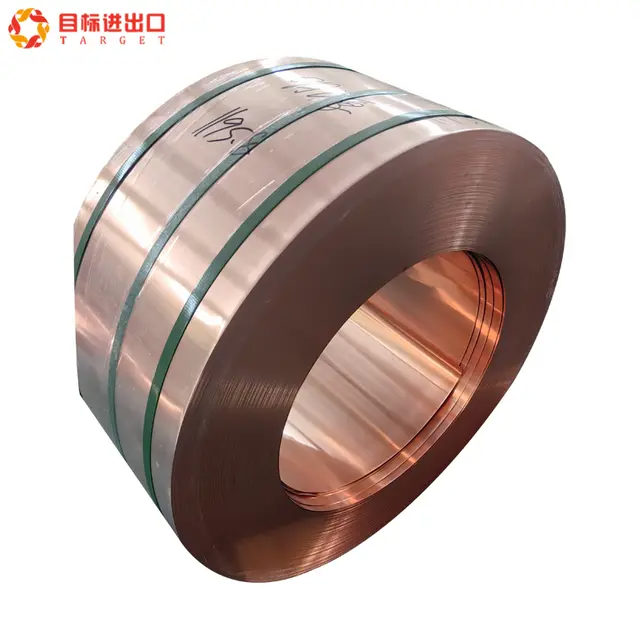
Household Copper Wire often comes from electrical upgrades, appliance replacements, or renovation projects. It is usually mixed with insulation and other materials.
Its value depends on how well it is sorted and cleaned. Small quantities may not justify stripping, but separating clean wire from mixed material still improves pricing.
This type of Copper Wire is common and widely accepted in recycling markets.
Industrial Copper Wire is often produced in larger volumes and with more consistent quality. It may include heavy cables, manufacturing offcuts, or electrical infrastructure materials.
Because of its scale and uniformity, it is easier to classify and often yields better pricing. High-recovery cables, in particular, can deliver strong returns.
Suppliers like Target support industrial buyers with processing, machining, and customized copper solutions, which helps maintain consistent quality and value across large batches.
Copper Wire value depends on more than simple weight. It is shaped by purity, grade, insulation, recovery rate, and changing market demand. When we understand these factors, it becomes easier to judge real value and avoid pricing mistakes. Sorting material, identifying its grade, and comparing category-based prices offer a clear and practical way to estimate worth.
With better preparation, both buyers and sellers can improve results and make more confident decisions. High-quality Copper Wire, when properly processed and classified, delivers stronger and more stable returns. Companies like Hangzhou Target Import & Export Co., Ltd. provide reliable copper materials, precision processing, and tailored solutions. Their expertise helps ensure consistent quality, efficient handling, and better value across different applications.
A: Copper Wire value depends on purity, grade, insulation, recoverable copper content, and current market demand. Clean, stripped wire usually brings a higher price than mixed or insulated wire.
A: Copper Wire prices change because buyers grade it by condition and metal content, not weight alone. A clean load often earns far more than a contaminated or insulated one.
A: Start by sorting it into clean, mixed, and insulated categories. Then check its grade, estimate the recoverable copper content, and compare prices by category instead of using one average market number.
A: Yes. Stripped Copper Wire is usually worth more because it is easier to process and contains less non-metal material. Buyers can grade it faster and often pay a better rate.
A: Bare bright Copper Wire is usually the highest-value grade. It is clean, uncoated, shiny, and free from major contamination, which makes it highly desirable in scrap and resale markets.
A: Sort it carefully, keep it clean, and remove extra materials when possible. Working with knowledgeable copper specialists can also help you classify it correctly and protect its value.


