
English 
T: +86-571-8663-6649
E: hzbjys@hzbjys.com
E: hzbjys@hzbjys.com
7/F, 1st Building Of ZhongHao WangJiang International Center, NO.332 East WangJiang Road, HangZhou, ZheJiang, China.
Views: 0 Author: Site Editor Publish Time: 2026-04-08 Origin: Site


Is 2/0 Copper Wire always the right choice for a 200 amp service? Many people assume it is, yet real installations often tell a different story. A small mistake in wire sizing can lead to efficiency loss or long-term performance issues. Choosing the correct Copper Wire size plays a key role in any electrical system. It affects safety, energy flow, and overall reliability. While 2/0 copper wire is commonly used, factors like distance, load demand, and installation conditions can change what works best.
In this article, we will break down how to select the right Copper Wire for a 200 amp service. You will learn practical sizing logic, key factors to consider, and how quality materials from suppliers like Target support stable performance.
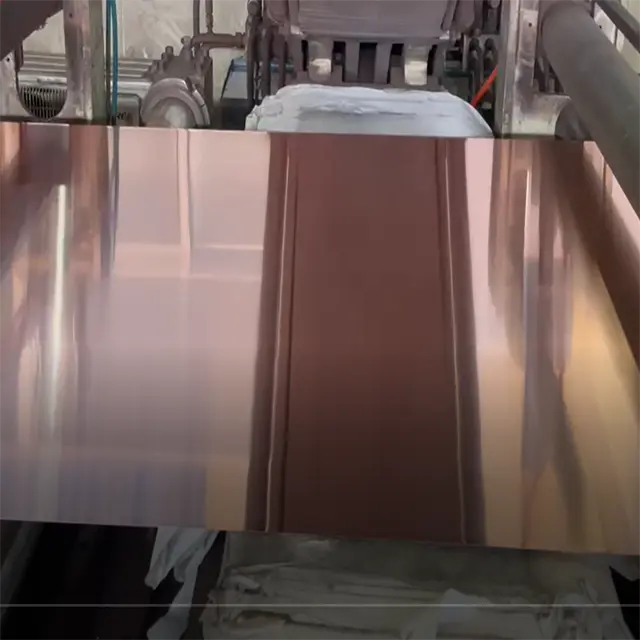
For most residential installations, 2/0 Copper Wire is considered the standard size for a 200 amp service. It provides enough capacity to safely carry the electrical load while maintaining efficient performance. This size is commonly referenced in electrical guidelines because it balances conductivity, durability, and installation practicality.
In typical single-phase systems, this wire size handles the required current without excessive heat buildup. It also fits well within standard conduit sizes, making installation manageable. While it is a widely accepted baseline, it should always be confirmed based on project-specific requirements.
Ampacity refers to the maximum current a wire can carry safely without exceeding its temperature rating. When selecting Copper Wire, ampacity becomes the core factor. It ensures that the conductor can handle the electrical load over time without degradation.
Copper performs exceptionally well due to its high conductivity. This allows smaller wire sizes to carry more current compared to other materials. In a 200 amp system, the ampacity of 2/0 Copper Wire aligns well with expected demand, providing both safety and efficiency.
The reason 2/0 Copper Wire works well for 200 amp service lies in its physical and electrical properties. It has a larger cross-sectional area, which reduces resistance. Lower resistance means less heat generation and more stable power delivery.
This size also supports consistent voltage levels across the system. It minimizes energy loss and ensures appliances receive the correct voltage. For most standard installations, it delivers the right balance between performance and practicality.
There are situations where 2/0 Copper Wire may not be sufficient. For example, long-distance runs can cause voltage drop, which reduces system efficiency. In such cases, a larger wire size may be needed.
Higher-than-average load demands or future expansion plans may also require adjustments. If the system is expected to grow, choosing a slightly larger Copper Wire can help avoid costly upgrades later. Environmental conditions, such as high temperatures, can also influence sizing decisions.
Service Rating (Amps) | Copper Wire Size (AWG) |
100 | 4 AWG |
150 | 1 AWG |
200 | 2/0 AWG |
250 | 4/0 AWG |
This table provides a quick overview. It helps you compare different service levels and corresponding Copper Wire sizes for faster decision-making.
Note: Always verify local electrical codes before finalizing your wire size, as requirements may vary by region.
Copper stands out because of its high electrical conductivity. It allows electricity to move more efficiently through the conductor, which helps reduce energy loss during transmission. In high-demand systems like a 200 amp service, this efficiency directly supports stable performance and reliable power delivery.
To better understand how conductivity impacts performance, the key benefits of Copper Wire are summarized below:
Factor | Benefit | Impact |
Conductivity | Low resistance | Better efficiency |
Current Flow | Smooth transmission | Stable power supply |
Heat Control | Less heat buildup | Safer operation |
Reliability | Consistent performance | Long-term stability |
Voltage drop occurs when electrical energy is lost as it travels through a wire. If the wire is too small, the drop becomes more noticeable. This can lead to dim lights, reduced appliance performance, and system instability.
Choosing the correct Copper Wire size helps minimize voltage drop. Larger wires reduce resistance, allowing electricity to travel more efficiently. In a 200 amp system, maintaining stable voltage is essential for both performance and equipment longevity.
Modern homes and facilities rely on multiple high-power devices. HVAC systems, electric vehicles, and advanced appliances all require stable electricity. A properly sized Copper Wire ensures these systems receive consistent power.
If the wire is undersized, it may struggle to handle peak demand. This can lead to overheating or performance issues. By selecting the correct size, you create a system that supports both current and future electrical needs.
The length of the wire run plays a major role in sizing decisions. Longer distances increase resistance, which leads to voltage drop. In these cases, a larger Copper Wire may be required to maintain efficiency.
For example, a short run from the panel to a nearby load may work well with 2/0 wire. However, a longer run across a large property might need a larger size to ensure consistent performance.
Current load requirements are important, but future expansion should also be considered. If additional circuits or equipment may be added later, planning ahead is beneficial.
Choosing a slightly larger Copper Wire can accommodate increased demand without requiring system upgrades. This approach improves long-term flexibility and reduces future costs.
Environmental conditions can affect wire performance. High temperatures can reduce a wire’s effective ampacity. Outdoor or underground installations may also require special considerations.
Selecting the right Copper Wire ensures it performs well under these conditions. Proper insulation and installation methods further enhance reliability and lifespan.
Copper offers several advantages over aluminum. It has higher conductivity, which allows it to carry more current in a smaller size. It is also more flexible, making installation easier.
Additionally, copper provides strong resistance to corrosion and maintains stable connections over time. These qualities make it a preferred choice for many professionals.
Aluminum wire requires a larger size to achieve the same performance as copper. For a 200 amp service, aluminum typically uses 4/0 size, while copper uses 2/0.
This size difference affects installation. Larger aluminum wires may require bigger conduits and more space. Copper’s compact size offers more flexibility in tight installations.
Copper has a higher initial cost. However, it provides long-term value through durability and consistent performance. It requires less maintenance and supports stable operation.
Material | Typical Size for 200A | Key Advantage | Installation Impact |
Copper | 2/0 AWG | High conductivity | Easier handling |
Aluminum | 4/0 AWG | Lower upfront cost | Requires more space |
Manufacturers like Target focus on high-quality copper processing and customization. Their approach helps ensure reliable material performance across different applications.
Accurate measurement is essential when planning your installation. Measure the distance from the power source to the load, including any bends or routing paths.
Adding a small margin helps account for installation adjustments. This ensures you have enough Copper Wire without unnecessary waste.
Voltage drop can be estimated using basic formulas. It depends on current, distance, and wire size. Larger wires reduce voltage drop and improve efficiency.
Even a small reduction in voltage drop can significantly improve system performance. This is especially important in high-demand systems like 200 amp service.
Planning ahead improves both efficiency and scalability. Consider potential upgrades or changes in electrical demand. This helps you choose a Copper Wire size that supports future needs.
A well-planned system reduces the need for modifications and ensures consistent performance over time.
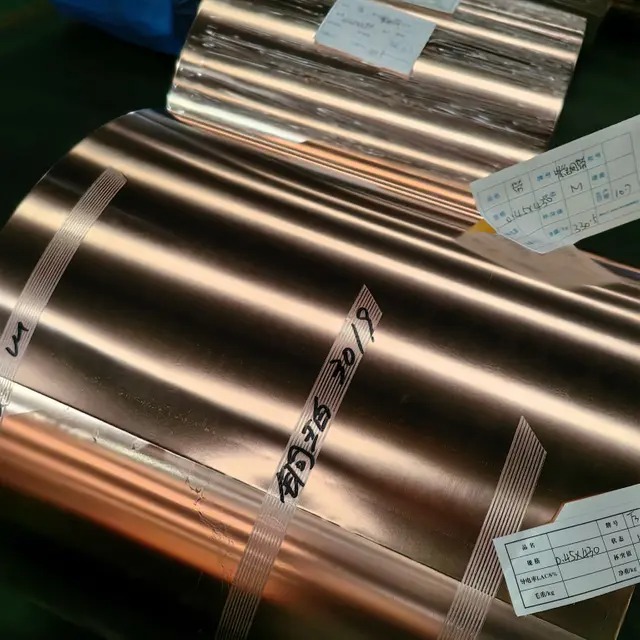
Conduit selection is important for protecting the wire and simplifying installation. The conduit should be large enough to allow easy pulling and prevent damage.
Using the correct size also improves airflow and reduces heat buildup. This contributes to overall system efficiency.
Different environments require different approaches. Indoor installations focus on space efficiency and safety. Outdoor setups must handle moisture, temperature changes, and physical exposure.
Choosing the right Copper Wire ensures reliable performance in both settings. Proper insulation and protection are key factors.
Secure connections are essential for safe operation. Loose or incompatible connections can lead to resistance and heat buildup.
Using high-quality Copper Wire from reliable suppliers such as Target helps ensure consistent results. Proper terminals and connectors further enhance system stability.
For most standard residential systems, 2/0 Copper Wire remains a reliable choice for a 200 amp service. It offers a strong balance of capacity, efficiency, and long-term stability. However, the final selection should always reflect real project conditions, including distance, load demand, and installation environment.
Understanding these factors helps you choose the right Copper Wire and avoid future performance issues. It allows your system to operate smoothly and support growing electrical needs over time.
High-quality materials also make a difference. Hangzhou Target Import & Export Co., Ltd. provides precision-processed copper products designed for consistent conductivity and durability. Their solutions help improve installation reliability and deliver lasting value across different electrical applications.
A: In most standard residential installations, 2/0 Copper Wire is the common choice for 200 amp service. It offers a strong balance of ampacity, efficiency, and long-term reliability.
A: 2/0 Copper Wire works well because it can handle high current demand while reducing resistance and heat buildup. It also helps maintain stable voltage across the system.
A: Yes, the required Copper Wire size can vary depending on distance, load demand, and installation environment. Longer runs often need a larger wire to reduce voltage drop.
A: You should consider amperage, wire length, and expected load. A professional can verify if your Copper Wire meets code requirements and supports safe operation.
A: Copper Wire provides higher conductivity, better flexibility, and long-term durability. Aluminum can be more affordable, but it usually requires a larger size for the same performance.
A: Yes, copper generally costs more upfront. However, Copper Wire often delivers better long-term value through stable performance and reduced maintenance needs.


