
English 
T: +86-571-8663-6649
E: hzbjys@hzbjys.com
E: hzbjys@hzbjys.com
7/F, 1st Building Of ZhongHao WangJiang International Center, NO.332 East WangJiang Road, HangZhou, ZheJiang, China.
Views: 0 Author: Site Editor Publish Time: 2026-09-30 Origin: Site


Specifying the wrong metal at the design phase leads to over-engineered parts, excessive manufacturing costs, tooling wear, or failure to meet strict weight-reduction targets in aerospace, automotive, or consumer applications. Engineers often face a specific material selection challenge. Aluminum has a lower raw density. Titanium offers superior strength, allowing designers to create lighter final components. Choosing between these metals requires moving beyond simple density charts. You must evaluate raw weight, strength-to-weight ratios, machinability, thermal properties, and application-specific environmental factors. We will break down how to evaluate these materials on the shop floor and in the field. You will learn how to match material properties to your specific structural demands, ensuring you do not overpay for performance you do not need or under-spec a critical load-bearing component.
Raw Density: Aluminum is objectively lighter by volume (approx. 2.7 g/cm³) compared to titanium (approx. 4.5 g/cm³).
Strength-to-Weight Ratio: Titanium’s high yield strength allows for significantly thinner wall thicknesses, meaning a finished titanium part can weigh less than an aluminum part designed for the same load.
Cost & Machinability: Aluminum offers superior machinability and lower raw material costs, making it the default for rapid prototyping and high-volume, low-stress components.
Thermal & Surface Properties: Aluminum excels at heat dissipation (ideal for electronics), while titanium offers superior high-temperature stability, scratch resistance, and a premium aesthetic.
Environmental Durability: Titanium justifies its premium price point in environments requiring extreme corrosion resistance, biocompatibility, or high-temperature stability.
To understand the weight dynamics between these two metals, you must first define material density. Density represents the mass of a material per unit of volume, typically measured in grams per cubic centimeter (g/cm³) or pounds per cubic inch (lbs/in³). This physical property dictates the baseline weight of a raw billet, block, or sheet before any machining or forming takes place. If you place identically sized solid blocks of both metals on a scale, density alone determines which one registers a higher weight. Shop floor personnel notice this immediately when loading raw stock into a CNC machine; a billet of titanium requires significantly more effort to handle than an identically sized billet of aluminum.
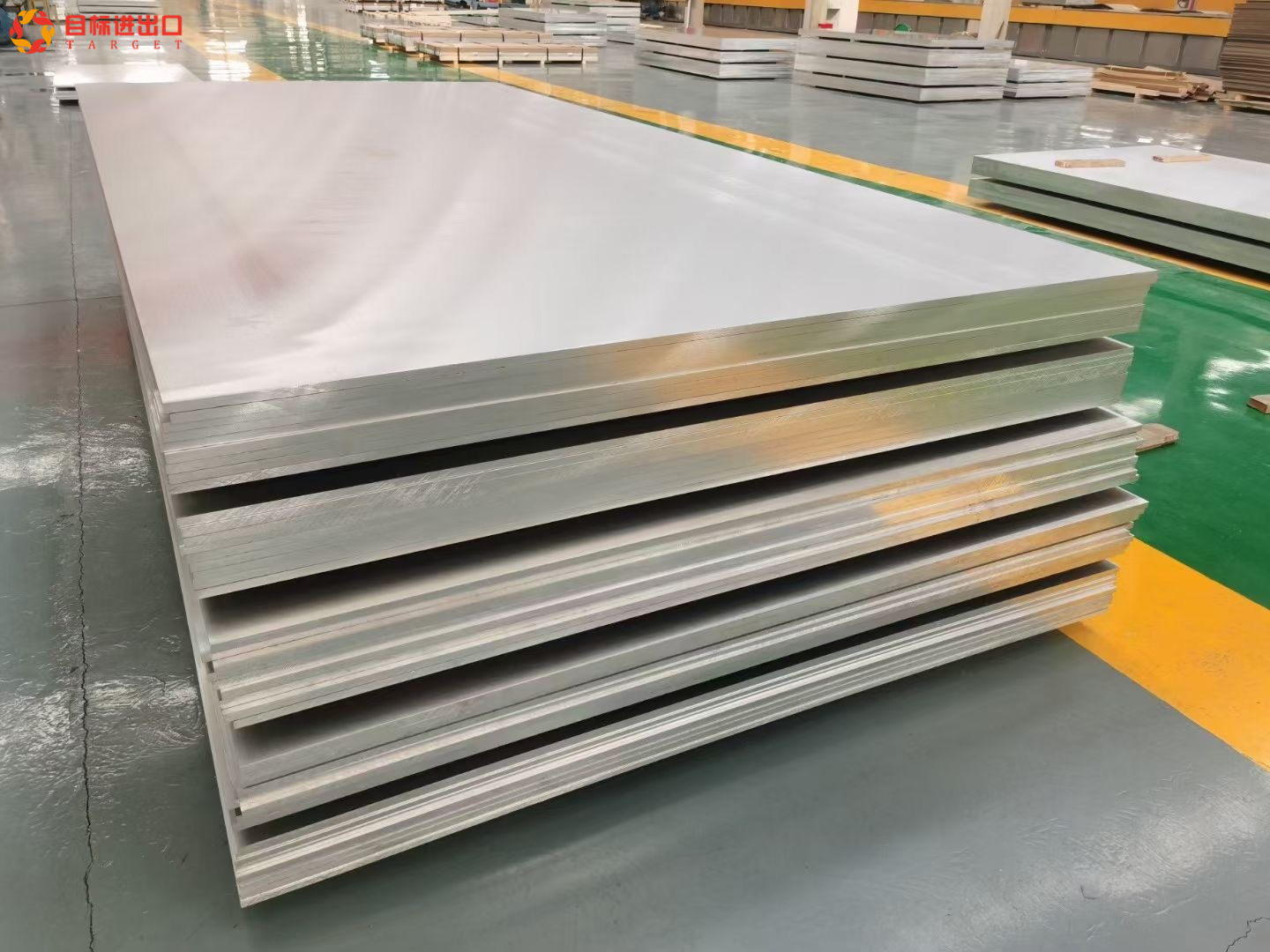
Commercial aluminum alloys maintain an average density of approximately 2.7 g/cm³ (0.098 lbs/in³). This exceptionally low mass makes aluminum a foundational material for industries requiring large volumetric structures without a massive weight penalty. When engineers specify standard formats like a 6061 aluminum sheet, they leverage its low density to cover large surface areas efficiently. This characteristic proves invaluable for exterior paneling, structural enclosures, and architectural framing where bulk volume is necessary, but adding excessive mass would compromise the design. You can build thick, rigid frames out of aluminum that remain light enough for a single technician to lift.
Titanium presents a completely different raw density profile. Commercial titanium and its common alloys possess an average density of roughly 4.5 g/cm³ (0.162 lbs/in³). When comparing the raw numbers directly, titanium is approximately 60% heavier than aluminum by exact volume. If a manufacturing facility machines a component to the exact same physical dimensions using both metals, the titanium variant will always weigh significantly more. This raw volumetric reality often misleads novice designers into assuming aluminum is always the superior choice for lightweighting initiatives. However, designing parts based purely on raw density ignores how materials behave under mechanical stress.
Material | Density (g/cm³) | Density (lbs/in³) | Weight of 12" x 12" x 1" Plate (lbs) |
|---|---|---|---|
Aluminum (6061) | 2.70 | 0.098 | 14.1 |
Titanium (Ti-6Al-4V) | 4.43 | 0.160 | 23.0 |
Steel (1020) - For Reference | 7.87 | 0.284 | 40.9 |
Evaluating raw density in isolation represents a flawed metric for load-bearing or structural applications. In practical engineering, parts are rarely designed to fill a specific volume; they are designed to withstand specific forces. The true metric for lightweighting is the strength-to-weight ratio, also known as specific strength. This metric divides a material's yield strength by its density, revealing how much load a material can carry relative to its mass. When structural integrity is the primary requirement, specific strength dictates the final weight of the assembly.
Comparing yield strength and ultimate tensile strength highlights the performance gap between the two metals. Standard titanium alloys, such as Ti-6Al-4V (Grade 5), exhibit yield strengths that routinely exceed 880 MPa. In contrast, standard commercial aluminum falls far below this threshold. However, advanced metallurgy has closed this gap considerably. Specifying a 7075 aluminum plate or a high strength aluminum bar provides access to yield strengths approaching 500 MPa. These high-performance aluminum formats bridge the strength gap for many demanding applications, yet they still fall short of titanium's ultimate tensile limits under extreme mechanical stress.
This strength differential introduces the "thinner wall" principle. Because titanium can withstand significantly higher loads before deforming, engineers can drastically reduce the volume of material used in a part. Consider a pressurized fluid cylinder. If the aluminum version requires a wall thickness of 0.250 inches to prevent bursting, the titanium version might only require a wall thickness of 0.100 inches to achieve the exact same structural rating. By removing more than half of the material volume, the final titanium assembly weighs less than the aluminum counterpart, despite titanium's higher raw density. You use less material to do the same job.
Beyond yield strength, the modulus of elasticity plays a critical role in part design. This metric defines a material's stiffness or its tendency to flex under load. Aluminum provides high rigidity per unit of weight, making it excellent for structures that must remain perfectly static. Titanium possesses a lower modulus of elasticity compared to steel, but higher than aluminum, providing a unique "spring" effect. This flexibility allows titanium structures to absorb shock, dampen vibrations, and return to their original shape after impact. This makes titanium highly desirable for dynamic structural frames, landing gear components, and high-end bicycle frames where compliance and fatigue resistance matter just as much as raw strength.
Selecting the correct metal requires evaluating how material properties translate into manufacturing outcomes and field performance. The decision matrix extends far beyond weight and strength, encompassing how the metal behaves on the shop floor and in the final operating environment. You must account for machining times, thermal loads, and environmental exposure.
The cost-to-machine ratio heavily favors aluminum. Aluminum is exceptionally soft, chips easily, and dissipates heat rapidly during CNC milling and turning operations. This allows machine shops to run spindles at maximum RPMs with aggressive feed rates. A machinist can easily run aluminum at 1000 surface feet per minute (SFM) or higher. The material's forgiving nature extends tool life, reduces cycle times, and lowers overall production overhead. For complex geometries requiring extensive material removal, aluminum ensures rapid throughput and predictable manufacturing schedules.
Titanium presents severe manufacturing challenges. It has a notorious tendency to gall, meaning it smears and welds itself to cutting tools under pressure. Furthermore, titanium possesses poor thermal conductivity. Instead of the metal absorbing the heat generated by cutting friction, the heat concentrates directly on the cutting tool. This leads to rapid tool degradation and catastrophic failure if not managed correctly. Machining titanium requires rigid machine setups, specialized carbide tooling with specific coatings, high-pressure through-tool coolant systems, and significantly slower feed rates (often around 100 to 150 SFM). These factors drastically increase the time and resources required to produce a finished part. You will spend more money on tooling and machine time when cutting titanium.
Thermal management requirements often dictate the material choice regardless of weight. Aluminum exhibits excellent thermal conductivity, rapidly absorbing and transferring heat away from critical sources. This property makes it the undisputed superior choice for heat sinks, electronic chassis, LED housings, and any component requiring rapid thermal dissipation to prevent electronic throttling or failure. If you need to move heat away from a processor or a motor, aluminum is the standard.
Conversely, heat resistance focuses on a material's ability to maintain structural integrity at elevated temperatures. Aluminum begins to lose significant mechanical strength at relatively low temperatures, typically around 150°C to 200°C. In high-heat environments, aluminum components will warp, yield, or melt. Titanium stands as the necessary choice for extreme thermal environments. It maintains its structural integrity and mechanical properties at temperatures up to 600°C. This high-temperature stability makes titanium indispensable for aerospace engine components, exhaust systems, and high-friction industrial mechanisms where aluminum would fail instantly.
Surface durability impacts both the lifecycle and the perceived quality of a product. Aluminum is inherently soft and highly susceptible to surface dents, deep scratches, and localized impact damage. While Type III hardcoat anodizing can improve surface hardness, the underlying material remains vulnerable to deformation. A sharp impact will dent the aluminum beneath the hard anodized layer, causing the coating to crack.
Titanium boasts exceptional surface hardness. It resists scratches, gouges, and impact damage far better than aluminum. This high durability translates directly to a longer lifecycle in high-wear applications. Furthermore, titanium's natural finish and resistance to surface degradation provide a premium aesthetic that manufacturers leverage in high-end consumer goods. The metal develops a natural patina or can be anodized using voltage to create vibrant colors without adding dyes, ensuring the product looks pristine even after years of daily use.
Both metals rely on a natural passivation process, forming a microscopic oxide layer that protects the underlying material from the environment. Aluminum's oxide layer provides adequate protection in standard atmospheric conditions. However, it remains highly vulnerable to galvanic corrosion when paired with dissimilar metals. It also degrades rapidly in extreme saline environments or highly alkaline conditions. Unprotected aluminum exposed to saltwater will pit and corrode within weeks.
Titanium offers near-immunity to most forms of environmental corrosion. Its oxide layer is incredibly stable and repairs itself instantly if scratched. Titanium withstands continuous exposure to seawater, chlorine gas, and harsh industrial chemicals without pitting or degrading. This exceptional environmental durability justifies its specification in marine engineering, offshore oil rigs, and chemical processing facilities where material failure causes catastrophic downtime.
Property | Aluminum (Typical Alloys) | Titanium (Typical Alloys) |
|---|---|---|
Yield Strength | Low to Medium (Up to ~500 MPa) | High to Extreme (Up to ~880+ MPa) |
Machinability (SFM) | Excellent (800 - 1000+ SFM) | Poor (100 - 150 SFM) |
Thermal Conductivity | High (~167 W/m·K for 6061) | Low (~6.7 W/m·K for Ti-6Al-4V) |
Max Operating Temp | ~150°C - 200°C | ~600°C |
Corrosion Resistance | Good (Vulnerable to salt/galvanic) | Exceptional (Immune to most environments) |
Theoretical properties only matter when applied to real-world engineering challenges. Analyzing how different industries navigate the titanium vs aluminum debate provides a practical framework for your own material selection process. You must align the material properties with the specific failure modes of your application.
In the transportation sector, every gram impacts fuel efficiency and payload capacity. Engineers utilize a strict framework for deciding between the two metals. Titanium is reserved for critical load paths, landing gear assemblies, hydraulic systems, and jet engine components where extreme stress, high temperatures, and fatigue resistance are non-negotiable. Aluminum dominates the broader structure. It is used extensively for fuselage skins, wing spars, automotive engine blocks, and non-load-bearing interior structures where large volumes of material are required, temperatures remain stable, and maximum weight reduction across a large surface area is the primary goal.
The consumer electronics market, particularly smartphones and wearables, showcases a distinct divergence in material strategy. Recent trends highlight the integration of titanium in flagship smartphone frames. Manufacturers spec titanium for its superior scratch resistance, high structural rigidity, and the perceived premium value it offers consumers. However, aluminum remains the dominant choice for cost-effective internal chassis components and backplates, primarily due to its ability to manage thermal output from high-performance processors and batteries.
In the ultralight backpacking and outdoor gear industry, the density paradox is highly visible. Titanium cookware, tent stakes, and camping stoves often weigh less than their aluminum equivalents in the real world. This weight reduction is achieved purely through the ability to manufacture ultra-thin walls. A titanium pot can be stamped incredibly thin while still withstanding direct campfire heat and resisting dents in a backpack, resulting in a lighter final product despite the heavier raw material.
The medical and heavy industrial sectors prioritize longevity and biological compatibility. Titanium stands as the undisputed standard for medical implants, such as joint replacements, dental implants, and bone screws. Its complete biocompatibility ensures the human body does not reject the material, while its fatigue life guarantees decades of performance under cyclical loading. In industrial settings, titanium is specified for high-cycle fasteners, valve bodies, and pump housings that must survive corrosive chemical flows where aluminum would dissolve rapidly.
Transitioning from aluminum to titanium, or vice versa, introduces specific manufacturing and operational risks. Anticipating these bottlenecks ensures production remains on schedule and assemblies perform as engineered in the field.
The aluminum market is highly commoditized, offering stable availability and predictable lead times globally. You can order standard aluminum stock and have it delivered the next day. Titanium supply chains are significantly more volatile. Sourcing aerospace-grade titanium often involves extended lead times and fluctuating raw material costs driven by global mining constraints and specialized refining processes. Engineering teams must forecast titanium requirements months in advance and secure reliable distribution channels to prevent production line stoppages.
The most common implementation risk involves specifying titanium without upgrading existing CNC machining capabilities. Forcing a machine shop optimized for aluminum to cut titanium results in shattered end mills, scrapped parts, and blown production schedules. Mitigation requires partnering with specialized machine shops experienced in hard metal turning. Internal production teams must factor in higher tooling replacement costs, invest in rigid machine setups to prevent chatter, and implement high-pressure, through-tool coolant systems to manage extreme heat generation at the cutting edge.
Modern engineering often requires assembling titanium and aluminum parts together within the same system. This creates a severe risk of galvanic corrosion. When these two dissimilar metals are in physical contact in the presence of an electrolyte, such as saltwater or high humidity, the aluminum acts as an anode and corrodes at an accelerated rate. Mitigation requires strict isolation techniques. Engineers must specify dielectric coatings, non-conductive shims, specialized anodizing, or physical material separation strategies (like Teflon washers or dielectric grease) to break the electrical connection between the two metals.
The final verdict in the material selection process depends entirely on the application's structural demands. While aluminum is objectively the lighter raw material by volume, titanium frequently emerges as the lighter structural solution for high-stress, thin-wall applications due to its massive strength advantage. You must evaluate the specific loads, thermal conditions, and manufacturing budget before finalizing your prints.
To move forward with your material specification, execute the following steps:
Calculate the exact specific strength required for your load paths to determine if aluminum can meet the structural requirements.
Review detailed alloy data sheets to compare yield strengths across different grades of both metals.
Submit your finalized CAD files to specialized manufacturing partners for a comprehensive manufacturability assessment and cycle-time quote.
Implement dielectric isolation strategies in your assembly drawings if your design requires mixing both metals.
A: By raw volume, aluminum is lighter. Aluminum has a density of roughly 2.7 g/cm³, while titanium is about 4.5 g/cm³. However, because titanium is significantly stronger, engineers can use much less material to achieve the same structural strength. This means a finished, thin-walled titanium part can actually weigh less than a thicker aluminum part designed for the same load.
A: Manufacturers accept titanium's higher raw density to leverage its extreme surface hardness and structural rigidity. In smartphones, titanium provides superior scratch resistance and a premium aesthetic. In ultralight gear, titanium's high yield strength allows manufacturers to stamp incredibly thin walls for cookware, resulting in a lighter final product that resists denting and high heat better than aluminum.
A: Aerospace applications require materials that can survive extreme conditions. While aluminum is used extensively for fuselage panels, it loses strength at high temperatures. Titanium is specified for jet engines, landing gear, and critical load paths because it maintains its structural integrity up to 600°C, offers exceptional fatigue life, and provides a superior strength-to-weight ratio under massive stress.
A: 7075-T6 aluminum is an exceptionally strong alloy, boasting a yield strength of around 500 MPa, which makes it stronger than commercially pure titanium (Grades 1-4). However, it is not stronger than alloyed titanium. Titanium alloys like Ti-6Al-4V (Grade 5) possess yield strengths exceeding 880 MPa, far surpassing even the highest-grade aerospace aluminum.
A: Titanium is significantly more expensive and difficult to machine. Aluminum is soft, cuts easily, and dissipates heat, allowing for fast CNC cycle times. Titanium galls easily, retains heat at the cutting edge, and requires specialized carbide tooling, rigid machine setups, and much slower feed rates. This drastically increases tool wear and total machining time.
A: No, you cannot conventionally weld titanium and aluminum together. The two metals have vastly different melting points and severe metallurgical incompatibilities. Attempting to fusion weld them creates extremely brittle intermetallic compounds that will immediately crack and fail. Joining these metals requires mechanical fastening, specialized adhesives, or advanced solid-state processes like explosion welding.


