
English 
T: +86-571-8663-6649
E: hzbjys@hzbjys.com
E: hzbjys@hzbjys.com
7/F, 1st Building Of ZhongHao WangJiang International Center, NO.332 East WangJiang Road, HangZhou, ZheJiang, China.
Views: 0 Author: Site Editor Publish Time: 2026-06-27 Origin: Site


Industrial manufacturing and product engineering rely entirely on precise material selection. The fundamental chemical and physical properties of a substrate dictate performance, longevity, and operational efficiency on the factory floor. Specifying the wrong material classification results in mechanical failures, creates manufacturing bottlenecks, and inflates procurement overhead. Buyers often struggle to bridge the gap between basic material science and practical, high-volume procurement.
By understanding the definitive boundaries between metals, nonmetals, and metalloids, procurement teams can establish a rigorous baseline for material selection. This guide breaks down these elemental differences and applies them to a critical procurement decision: evaluating and specifying industrial aluminum coil grades for manufacturing applications.
Fundamental Distinctions: Metals offer high conductivity, malleability, and structural integrity; nonmetals provide insulation and chemical resistance; metalloids serve as critical semiconductors.
Visual and Physical Identification: Metals possess a reflective luster and are solid at room temperature, whereas nonmetals appear dull and can exist as solids, liquids, or gases.
Manufacturing Dominance: Metals remain the primary choice for structural and high-volume fabrication due to their predictable yield strength and formability.
Alloy Specificity: Selecting a metal is only the first step; choosing the correct grade—such as a 3xxx, 6xxx, or 7xxx series aluminum coil—determines the success of the specific manufacturing application.
Metals form the absolute backbone of modern industrial fabrication. They exhibit high electrical and thermal conductivity. Malleability and ductility allow them to bend, stretch, and compress without breaking. Metals are almost exclusively solid at room temperature, with mercury standing as the rare exception. They possess a distinct, reflective metallic luster. This visual trait allows for rapid identification on the factory floor. You can easily distinguish a raw metal substrate from a composite material just by looking at how light interacts with its surface.
The atomic structure of metals features a unique arrangement of delocalized electrons. This electron cloud enables metals to be formed, rolled, and extruded without fracturing. When a 400-ton press brake forces a metal sheet into a 90-degree angle, the atoms slide past one another while the electron cloud maintains the structural bonds. The material deforms plastically instead of snapping. Aluminum serves as a primary example of a highly versatile, lightweight metal. It provides exceptional structural integrity while remaining highly workable. Engineers rely on these metallic properties to design components that absorb impact and bear heavy loads without catastrophic failure.
On the shop floor, this translates to predictable manufacturing. When you set up a stamping die, you need the substrate to behave exactly the same way on the first strike as it does on the ten-thousandth strike. Metals deliver this consistency. Their grain structure can be manipulated through cold working or heat treatment to achieve precise mechanical properties tailored to the specific application.
Nonmetals present a stark contrast to metallic elements. They are generally brittle in solid form. If you strike a solid nonmetal with a hammer, it shatters rather than deforming. They function as extremely poor conductors of heat and electricity. Nonmetals exist in diverse physical states at room temperature. You will find them as solids, liquids like bromine, or various gases. They completely lack metallic luster. Their appearance is typically dull, matte, or entirely nonreflective.
In manufacturing, nonmetals rarely serve as primary structural substrates. They lack the delocalized electron sea that gives metals their formability. When you apply shear force to a rigid polymer or ceramic, the covalent bonds simply break. You cannot run a sheet of solid nonmetal through a roll-forming line; it will crack at the first forming station. Instead, nonmetals function primarily as insulators, sealants, or chemical barriers. Manufacturers also use them extensively as alloying agents to alter the properties of base metals. Carbon in steel is a classic example of a nonmetal enhancing a metallic substrate.
While advanced polymers and carbon-fiber composites have their place in specialized engineering, they cannot match the predictable yield strength and rapid processing capabilities of traditional metals. Machining nonmetals often requires specialized tooling, such as waterjets or diamond-tipped routers, because standard high-speed steel tools will either melt the polymer or be destroyed by the abrasive nature of the composite.
Metalloids, often called semimetals, exhibit intermediate properties. Elements like silicon, boron, and germanium sit directly between metals and nonmetals. The periodic table positions these seven specific metalloids along a dividing staircase. They separate true metals on the left from nonmetals on the right. Metalloids can possess a metallic, shiny appearance. However, they exhibit nonmetallic brittleness. They will shatter rather than bend under mechanical pressure.
This lack of structural malleability severely limits their use in heavy fabrication. You cannot roll a metalloid into a coil or stamp it into a structural panel. If you drop a silicon wafer, it shatters exactly like glass. True metals offer vastly superior formability. However, metalloids hold a highly specialized application. They dominate electronics and semiconductor manufacturing. Their unique ability to conduct electricity under specific conditions makes them the foundation of modern computing. They remain essential to technology but are entirely irrelevant for structural load-bearing applications.
Manufacturers consistently select metals over advanced nonmetal composites for structural components. The decision-making process relies on strict, measurable success criteria. Yield strength determines exactly how much stress a part can handle before permanent deformation occurs. Thermal tolerance ensures dimensional stability under extreme heat during processing or end-use. Recyclability supports sustainable manufacturing practices and waste recovery. Processing speed dictates daily production throughput and overall facility efficiency.
Metals check all these boxes effortlessly. They deliver highly predictable performance during high-volume production runs. When a stamping press cycles thousands of times per hour, the substrate must behave identically every single time. Nonmetals often suffer from thermal degradation or inconsistent shear properties during rapid processing. Metals provide the reliability required to keep automated assembly lines running without constant recalibration or unexpected material failures.
Furthermore, metals offer superior joining capabilities. You can weld, braze, or rivet metal components together to create massive, complex assemblies. Welding melts the base material and fuses it together, creating a joint that is often as strong as the parent metal. Try welding two pieces of thermoset plastic together; it simply burns. This joining versatility makes metals the undisputed king of heavy fabrication.
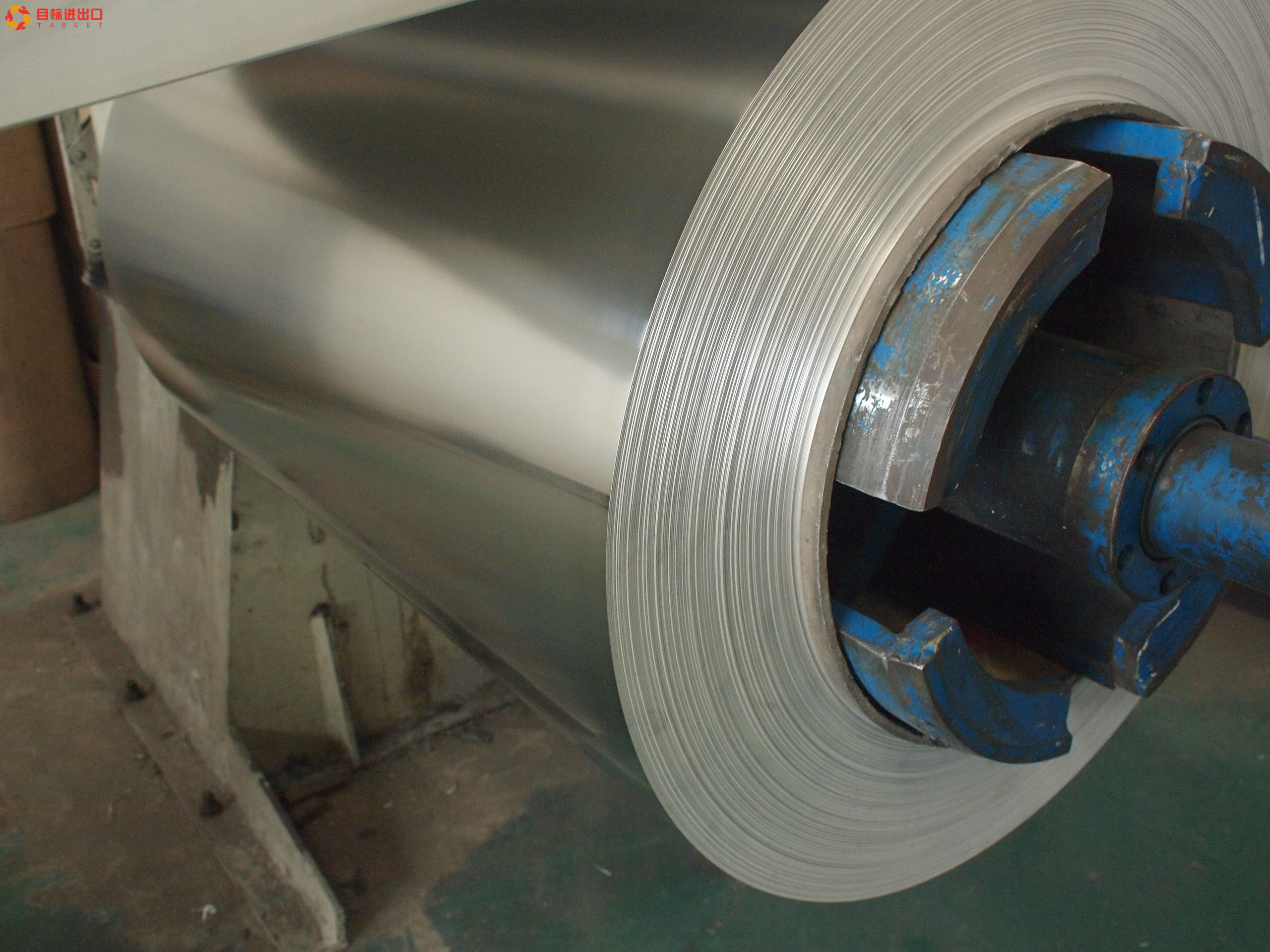
Aluminum stands out significantly among industrial metals. It offers exceptional natural corrosion resistance and an incredibly high strength-to-weight ratio. Procuring this metal in a continuous format maximizes operational efficiency on the factory floor. Utilizing an Aluminum Coil streamlines continuous manufacturing processes. Stamping, roll forming, and automated laser cutting systems run much faster with coiled substrates compared to individual flat sheets.
The mechanics of a coil processing line demonstrate this efficiency perfectly. You load a 10,000-pound coil onto an expanding mandrel uncoiler. The material feeds through a powered straightener to remove the coil set, then passes into a servo-driven feeder that pushes exact lengths into the stamping press. This continuous flow reduces labor overhead and increases machine uptime. Instead of an operator loading single sheets every few minutes, a massive coil feeds the line automatically for hours.
Coiled metal minimizes material waste through optimized nesting. When stamping complex shapes, continuous feeding allows the die to pack the parts closer together, reducing the amount of scrap webbing left behind. Aluminum’s natural ductility makes it the perfect candidate for this type of high-speed, continuous deformation processing. It doesn't chew through tooling like high-carbon steel, and it doesn't require the heavy rust-preventative oils that make a mess of the stamping line.
Manganese acts as the primary alloying element in this specific category. This addition enhances the base metal significantly without compromising its natural flexibility. It provides moderate overall strength alongside excellent workability. High corrosion resistance makes it ideal for harsh, moisture-heavy environments. A 3xxx series aluminum coil bends easily without cracking or tearing at the seams. It responds exceptionally well to deep drawing and heavy stamping operations.
The 3003 alloy is the undisputed workhorse of the sheet metal industry. When your manufacturing process requires tight radiuses and complex geometric folds, this alloy series delivers the necessary ductility. You can specify different tempers, such as H14 (half hard), to balance the required strength with the necessary formability. If you try to deep-draw a harder alloy, it will gall against the die or tear at the corners. The 3xxx series flows smoothly into the die cavity.
Ideal applications include HVAC components, heat exchanger fins, and roofing panels. Chemical equipment and food handling machinery also utilize this grade because it will not degrade when exposed to harsh cleaning agents. General sheet metal work relies heavily on this highly formable series to produce everything from appliance housings to architectural flashing.
Magnesium and silicon serve as the primary alloying elements here. This specific combination creates a heat-treatable and highly versatile material. It offers excellent machinability and strong weldability. A 6xxx series aluminum coil balances structural strength and formability perfectly. You can extrude it, weld it, and machine it with standard industrial tooling. It responds well to artificial aging processes to increase its final yield strength.
The 6061 alloy is the most recognized grade in this series. Manufacturers often specify it in the T6 temper, meaning it has been solution heat-treated and artificially aged to achieve maximum strength. It bridges the gap between the extreme flexibility of lower series and the rigid strength of aerospace grades. When you weld a 6xxx series alloy, you must account for the heat-affected zone (HAZ). The heat from the welding arc locally anneals the metal, dropping its strength in that specific area. Engineers design around this by placing welds in lower-stress areas of the assembly.
Manufacturers use it extensively for architectural frameworks and transportation components. Automotive body panels, structural scaffolding, and marine fittings demand this reliable, medium-strength alloy. If your product requires load-bearing capabilities alongside moderate shaping, this series remains the industry standard.
Zinc is the primary alloying element in this premium category. Manufacturers often add magnesium and copper for further structural enhancement. This creates exceptionally high yield strength. It rivals many industrial heavy steels. However, there are notable trade-offs in formability and baseline corrosion resistance. A 7xxx series aluminum coil requires specialized machining and careful handling. It does not bend easily and requires large minimum bend radiuses to prevent fracturing.
Working with the 7075 alloy on the shop floor requires strict adherence to forming limits. If you try to put a tight 90-degree bend on a piece of 7075-T6, it will crack wide open along the bend line. To form this material, manufacturers often have to purchase it in the annealed state (O temper), perform the necessary bending and stamping, and then send the finished parts out for heat treatment to achieve the final strength. This adds significant time and complexity to the manufacturing process.
Ideal applications include aerospace structures, aircraft bulkheads, and high-stress military equipment. Premium sporting goods, like climbing carabiners and high-end bicycle frames, also utilize this ultra-strong alloy. When weight reduction is critical but structural failure is not an option, this series provides the ultimate mechanical performance. You must pair it with appropriate protective coatings, such as anodizing or specialized primers, to mitigate its lower natural corrosion resistance.
Aluminum Alloy Series Comparison Matrix
Alloy Series | Primary Alloying Element(s) | Key Mechanical Properties | Formability Rating | Common Industrial Applications |
|---|---|---|---|---|
3xxx Series | Manganese | Moderate strength, high corrosion resistance | Excellent | HVAC, roofing, chemical equipment, deep drawing |
6xxx Series | Magnesium & Silicon | Heat-treatable, strong weldability, balanced strength | Good | Architectural frames, automotive parts, structural profiles |
7xxx Series | Zinc (with Mg/Cu) | Ultra-high yield strength, aerospace-grade rigidity | Poor to Fair | Aircraft components, military hardware, high-stress joints |
Establishing a matrix matches elemental properties directly to end-use requirements. If electrical insulation is needed, nonmetals are strictly required. If load-bearing capacity is needed, metals are absolutely essential. We apply this exact logic directly to aluminum selection. You must match the specific series to the required tensile strength and environmental exposure. Over-engineering a part wastes resources, while under-engineering leads to product failure.
Identify the primary mechanical load the part will bear during its lifecycle.
Determine the environmental conditions, including exposure to saltwater, chemicals, or extreme temperatures.
Evaluate the manufacturing processes required to shape the part, such as deep drawing, tight-radius bending, or welding.
Select the alloy series that meets the highest priority requirement without compromising the others.
A 3xxx series works perfectly for weather-exposed panels that bear no structural weight. A 7xxx series is mandatory for high-stress structural joints that keep an assembly intact under heavy vibration. Mapping the feature to the outcome ensures you procure the exact material required for the job. This logical framework removes guesswork from the engineering and procurement cycle.
The chosen material heavily impacts the manufacturing floor. Tooling wear varies drastically between different classifications and alloy series. Machining requirements for highly alloyed metals differ entirely from softer variants. A 7xxx series accelerates tool wear due to its extreme hardness. It requires carbide tooling, rigid machine setups, and slower feed rates to prevent chatter and tool breakage. A 3xxx series extends tool life and speeds up stamping operations significantly. It allows for rapid, continuous processing with standard high-speed steel tools.
Processing compliance ensures your current machinery can actually handle the specified substrate. Upgrading to a stronger alloy might require a complete overhaul of your stamping presses. A press that easily forms 3003 aluminum might stall out or suffer frame damage if you try to stamp 7075 aluminum of the same thickness. Always verify that your facility possesses the tonnage and tooling required to manipulate the chosen material efficiently.
Material selection requires analyzing long-term efficiency implications. Upgrading to a specialized alloy impacts your initial procurement strategy. However, the trade-off often yields massive downstream benefits. High-strength alloys allow engineers to specify thinner gauges for the same structural integrity. This drives massive weight reduction across the final product assembly.
Decreasing the overall weight reduces shipping burdens and simplifies manual handling during installation. Superior corrosion resistance extends the product lifecycle and reduces maintenance intervals for the end user. While a premium alloy requires a larger upfront resource allocation, the operational savings in logistics, warranty claims, and product longevity easily justify the decision. You must view material selection as a lifecycle strategy rather than a simple line-item acquisition.
Procuring and storing industrial metals presents unique logistical challenges. Coiled metals remain highly susceptible to environmental damage during transit. Water stains and oxidation can ruin surface finishes entirely. This phenomenon, often called white rust, occurs when moisture gets trapped between the tightly wound layers of the coil. The water reacts with the aluminum surface, creating a white, powdery corrosion that cannot be easily removed. If a coil develops white rust, you often have to scrap the entire master coil.
Physical damage during transit causes edge denting, which prevents the coil from feeding properly into automated machinery. If the edge of the coil is smashed, it will hang up in the straightener or cause the material to track sideways through the stamping press.
Mitigation strategies involve strict climate control in warehousing. Ensure coils remain wrapped in moisture-barrier packaging with active desiccants until the exact moment of processing. Implement proper lifting equipment, such as C-hooks or specialized coil grabs, to prevent edge deformation. Never store coils directly on bare concrete floors, as temperature fluctuations draw moisture directly into the metal. Proper handling preserves the mechanical and visual integrity of the substrate.
Receiving out-of-spec materials poses a massive production risk. Visual inspection cannot verify chemical composition or yield strength. You cannot tell the difference between a 3xxx and a 6xxx series just by looking at the surface. You must require Mill Test Reports (MTRs) for every single delivery. These certified documents verify the exact chemical makeup and mechanical properties of the specific batch.
An MTR details the heat number, tensile strength, yield strength, elongation percentage, and precise chemical breakdown. If the magnesium content in a 6xxx series coil is too low, the metal will not hit the required strength after heat treatment. They ensure the delivered coil meets the strict parameters of your engineering specifications. Strict quality assurance prevents catastrophic failures in the field. If a supplier cannot provide a traceable, certified MTR with their shipment, you must reject the material to protect your manufacturing integrity.
Audit your current material specifications to ensure the selected alloy aligns perfectly with your mechanical requirements.
Consult with metallurgical engineers to optimize your alloy choice and gauge thickness for upcoming production runs.
Request certified material samples from vetted suppliers to run physical formability tests on your actual machinery.
Update your warehousing protocols to include strict moisture-barrier protections for all incoming metal shipments.
Implement a mandatory review of Mill Test Reports for every coil delivery before allowing the material onto the production floor.
A: Metals provide high electrical conductivity, malleability, and structural strength, making them ideal for heavy fabrication. Nonmetals are generally brittle and serve primarily as insulators or chemical barriers. Metalloids act as semiconductors, blending a metallic visual appearance with nonmetallic brittleness. Manufacturers use metalloids primarily in electronics rather than structural applications.
A: Yes. Metals typically feature a reflective luster and are solid at room temperature. Nonmetals appear dull and can exist as solids, liquids, or gases depending on the element. Metalloids often possess a metallic, shiny appearance but exhibit the physical brittleness characteristic of solid nonmetals.
A: Aluminum features a crystalline structure with delocalized electrons. This atomic makeup grants it high thermal and electrical conductivity, alongside extreme malleability and ductility. These are definitive metallic traits that allow it to be rolled, stamped, and extruded without fracturing, unlike brittle metalloids.
A: Base your choice directly on the application. The manganese-alloyed 3xxx series offers superior formability and corrosion resistance, perfect for roofing and HVAC components. The magnesium and silicon-alloyed 6xxx series provides heat-treatable structural strength, making it the standard for architectural frameworks and vehicle components.
A: Zinc serves as the primary alloying element in the 7xxx series. This specific composition delivers aerospace-grade yield strength that rivals many industrial steels. The trade-off is significantly reduced workability and lower baseline corrosion resistance compared to the 3xxx or 6xxx series.
A: Always request Mill Test Reports (MTRs) from your supplier. These certified documents verify the exact alloy chemistry, yield strength, and mechanical properties. They ensure the delivered material strictly complies with your engineering specifications and prevents out-of-spec materials from entering your production line.


