
English 
T: +86-571-8663-6649
E: hzbjys@hzbjys.com
E: hzbjys@hzbjys.com
7/F, 1st Building Of ZhongHao WangJiang International Center, NO.332 East WangJiang Road, HangZhou, ZheJiang, China.


Precision begins long before the cutting tool touches the material. Many cutting problems appear to be caused by blades or machines, yet the real issue is usually choosing the wrong approach for the material thickness and finish requirements. A copper sheet behaves differently from steel or aluminum because it is softer, highly conductive, and more sensitive to heat and deformation. Learning how to cut copper sheet correctly allows engineers, fabricators, and purchasing teams to achieve accurate dimensions, minimize waste, and maintain surface quality. When cutting methods are matched to thickness, complexity, and required finish, the process becomes predictable and repeatable rather than trial and error.
Before selecting any tool, it is essential to define the factors that determine the cutting method. These inputs influence accuracy, efficiency, and edge quality.
Thickness is the primary factor guiding cutting strategy. Thin copper sheet requires different tools and handling techniques than thicker plate. Temper also affects behavior during cutting. Softer material is easier to shape but more prone to distortion, while harder material maintains shape better but may require more controlled cutting speed.
Understanding thickness and temper prevents common issues such as edge warping, tearing, or tool marks.
Not every project requires the same finish level. Rough cutting may be acceptable when edges will be hidden or further processed. Precision components, decorative panels, or electrical applications often require clean edges with minimal burr formation.
Defining quality expectations early helps determine whether manual tools, power tools, or precision machining is most appropriate.
Straight cuts are generally easier to execute than curves or internal cutouts. Complex shapes may require specialized tools that allow controlled movement without stressing the material. Projects involving repeated patterns or tight tolerances often benefit from automated cutting methods.
Considering shape complexity alongside thickness ensures the selected method supports both accuracy and efficiency.
Selecting the correct tool based on thickness is one of the most effective ways to avoid damage and achieve consistent results.
Thin copper sheet is typically cut using snips or shears. These tools provide strong control and reduce the risk of overheating. Manual cutting allows gradual progress, which helps maintain edge quality and minimize distortion.
For thin material, steady movement and consistent pressure produce cleaner cuts than aggressive force. Proper support underneath the sheet also prevents bending during cutting.
As thickness increases, power tools such as jigsaws or band saws become more practical. Using a blade designed for non ferrous metals improves edge quality and reduces vibration. Supporting the sheet with a stable base prevents chatter and allows smoother cutting motion.
Cutting speed should remain controlled to prevent heat buildup. Excessive speed can cause surface discoloration and affect dimensional accuracy.
Thicker copper plate may require mechanical nibblers, industrial saws, or automated cutting processes. Precision machining methods become more efficient when large volumes or tight tolerances are involved. Outsourcing cutting can reduce waste and improve repeatability for complex or heavy gauge material.
Matching cutting technology to material thickness ensures consistent results while optimizing productivity.
Cutting accuracy begins with preparation rather than the cutting process itself. Clear layout and secure clamping prevent many common errors.
Accurate marking defines the final result. Using fine layout lines helps guide cutting and reduces deviation. Applying protective tape along the cut path can improve visibility and protect the surface from scratches.
Careful marking ensures the tool follows the intended path without repeated adjustments that may affect edge quality.
Copper sheet can vibrate during cutting if not properly supported. Using a backing board stabilizes the material and prevents chatter. Stable support also reduces the risk of uneven edges and distortion.
Clamping should hold the sheet firmly without introducing pressure points that could mark the surface.
Copper conducts heat quickly, but localized heat buildup can still influence cutting quality. Controlled speed and consistent motion reduce thermal stress. Allowing the tool to do the work rather than forcing it helps maintain surface integrity.
Heat awareness is particularly important when cutting thicker material or using power tools.
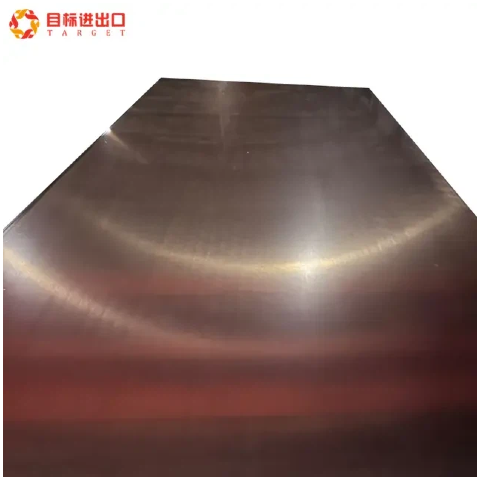
Edge defects are often caused by technique rather than tool limitations. Proper cutting methods minimize finishing work.
Maintaining consistent direction and steady motion prevents irregular edges. Small controlled strokes are more effective than long aggressive movements, especially when using manual tools.
Keeping the tool aligned with the layout line improves accuracy and reduces the need for corrective trimming.
Long cuts increase the risk of material movement. Supporting both sides of the cut line prevents bending. Gradual progression along the cut path allows the material to remain stable.
Planning the cutting sequence also helps distribute stress evenly across the sheet.
Surface scratches can occur during handling rather than cutting itself. Protective film, clean work surfaces, and appropriate gloves help preserve finish quality. Maintaining a controlled workspace reduces accidental damage.
Preventive measures are often easier than correcting surface defects later.
Cutting is only part of the workflow. Finishing transforms a cut piece into a usable component.
Deburring tools, fine files, and sanding remove sharp edges and small imperfections. Progressive finishing from coarse to fine abrasives produces smoother results. Removing burrs improves safety and assembly compatibility.
Consistent deburring practices contribute to professional appearance and functional reliability.
Edge rounding improves both safety and aesthetics. Slight rounding reduces stress concentration and enhances handling comfort. This step is particularly important for exposed edges or components used in visible applications.
Controlled edge finishing also prepares the surface for subsequent processing such as coating or forming.
Additional finishing such as brushing or polishing may be required depending on the application. Decorative uses often require uniform surface texture, while industrial applications may prioritize cleanliness.
Choosing when to finish depends on whether additional fabrication steps are planned.
A structured cutting workflow reduces material waste and improves productivity. Planning cut layout before processing maximizes sheet utilization. Nesting strategies help minimize scrap and reduce overall material consumption.
For projects involving multiple parts, consistent cutting methods improve repeatability and simplify quality control. Efficient cutting supports cost management and production planning.
Material preparation, tool selection, and finishing should be viewed as a single workflow rather than separate tasks. This integrated approach improves both efficiency and final product quality.
The following table provides a practical reference linking sheet thickness with suitable cutting methods.
Sheet Thickness | Recommended Tool | Edge Quality | Speed | Typical Use |
Very thin | Snips or shears | High control | Moderate | Electrical components |
Thin to medium | Jigsaw or band saw | Clean with finishing | Moderate | Fabrication panels |
Medium | Power saw with support | Good | Faster | Mechanical parts |
Thick | Nibbler or industrial saw | High with finishing | Efficient | Structural components |
Heavy plate | CNC or automated cutting | Precision | High volume | Industrial manufacturing |
This reference helps align cutting strategy with material thickness and project requirements.
Dimensional tolerance plays a critical role in copper sheet cutting. Projects requiring precise assembly must account for kerf width, tool accuracy, and finishing allowance. Measuring after cutting ensures parts meet specification.
Providing tolerance expectations during procurement allows suppliers to prepare appropriate cutting methods. Accurate tolerance management reduces rework and supports reliable assembly.
Cutting strategy should therefore incorporate both dimensional planning and finishing allowance.
Cutting copper sheet at the project site may be practical for small quantities or simple shapes. Larger projects often benefit from pre cut supply that ensures consistency and reduces on site labor.
Hangzhou Target Import & Export Co., LTD. provides copper sheet materials across multiple thickness ranges along with processing support such as cut to size supply. Aligning cutting requirements with available specifications helps customers reduce waste and improve production efficiency.
Providing thickness, dimensions, and tolerance requirements allows more accurate preparation and simplifies downstream fabrication.
Cutting copper sheet effectively depends on understanding thickness, required precision, and finishing expectations rather than relying solely on tools. A structured workflow that includes marking, support, controlled cutting, and finishing produces consistent results while minimizing material waste. Hangzhou Target Import & Export Co., LTD. supplies copper sheet materials designed for fabrication, industrial, and decorative applications, supporting both standard sizes and processing requirements. When thickness, dimensions, and tolerance are clearly defined, selecting suitable copper plate solutions and cutting strategies becomes a reliable path toward efficient production.
Contact us to share your copper sheet thickness, required dimensions, and finishing expectations so our team can recommend suitable material specifications and cut to size solutions that reduce waste and improve manufacturing consistency.
1. What is the best tool to cut thin copper sheet?
Snips or shears provide strong control and help prevent distortion when cutting thin copper sheet.
2. How do I avoid burrs when cutting copper sheet?
Using controlled cutting speed, proper support, and finishing with deburring tools helps reduce burr formation.
3. Does copper sheet thickness change the cutting method?
Yes. Thickness determines whether manual tools, power tools, or automated cutting methods are most suitable.
4. Can copper sheet be supplied pre cut to size?
Yes. Providing dimensions and tolerance requirements allows suppliers to prepare copper sheet with processing support before delivery.


