
English 
T: +86-571-8663-6649
E: hzbjys@hzbjys.com
E: hzbjys@hzbjys.com
7/F, 1st Building Of ZhongHao WangJiang International Center, NO.332 East WangJiang Road, HangZhou, ZheJiang, China.
Views: 0 Author: Site Editor Publish Time: 2025-12-19 Origin: Site


You want plumbing that lasts a long time. Copper pipe types are strong and reliable, helping you feel safe about your water. Many people pick copper pipe because it can last up to 80 years. Copper does not rust easily, ensuring that it keeps water moving well. Using copper is also good for the Earth, as you can recycle copper many times. It uses less energy than plastic pipes over its life.
The table below shows why copper is a smart and green choice:
Reason | Description |
|---|---|
Longevity | Copper pipe types last 70 to 80 years. This means you do not need to replace them often, which also helps the environment. |
Corrosion Resistance | Copper stops buildup inside the pipe. This keeps water flowing and means less fixing is needed. |
Energy Efficiency | Copper moves heat well. This helps save energy in heating systems. |
Recyclability | You can recycle copper again and again. Over 30% of copper used now comes from recycling. |
Lower Emissions | Copper pipes make less CO2 than plastic pipes during their life. |
When you pick copper pipe types, think about what your project needs. Also, consider the quality you want.
Copper pipes can last as long as 80 years. They are a strong choice for plumbing. Because they last so long, you do not need to replace them often. This saves you money and helps the environment too.
Pick the right copper pipe for your project. Type K works best for high-pressure jobs. Type L is good for most plumbing work. Type M is used for low-pressure jobs.
Copper pipes do not rust or corrode easily. This keeps water clean as it moves through the pipes. It also means you will not need to fix them as much.
Copper can be recycled and is better for the earth than plastic pipes. Using copper helps the planet and uses less energy over time.
Always look at local building codes before you pick a copper pipe. Following the rules keeps your plumbing safe and working well.
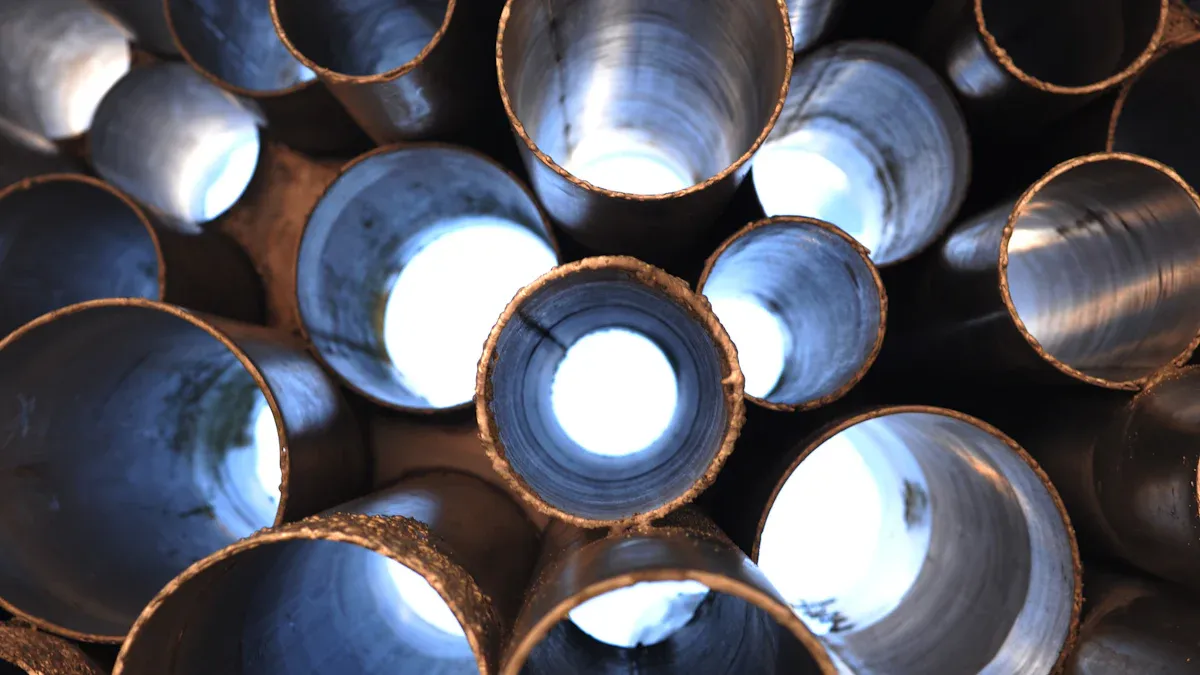
Copper pipe types play a key role in plumbing and construction. You need to know the differences to make the best choice for your project. Each type has special features that help you get the job done right.
You will find two main forms of copper pipe: rigid and flexible. Rigid copper pipe gives you strong, straight lines. It works well for large plumbing systems and main water lines. Flexible copper pipe bends easily, so you can use it in tight spaces or around corners.
Here is a table to help you compare these two copper pipe types:
Type of Pipe | Installation Characteristics | Performance Characteristics |
|---|---|---|
Rigid Copper Pipe | Best for straight runs; used in large plumbing systems and main water lines due to sturdiness. | Robust and sturdy, suitable for high-pressure applications. |
Flexible Copper Pipe | Ideal for intricate configurations and tight spaces; easier routing with fewer fittings. | Offers versatility in installation, but may have limitations in high-pressure scenarios. |
You should pick the form that matches your space and water pressure needs.
You will see four main copper pipe types in the industry:
Type K: This type has the thickest wall. You use it for water distribution, fire protection, and HVAC systems. It works well for main water lines and underground jobs.
Type L: This is the most common type. You use it for interior plumbing and fire protection. It fits many jobs, both inside and outside.
Type M: This type has a thinner wall. You use it for domestic water service and vacuum systems. Many people pick it for homes because it costs less, but you should check local codes before using it.
DWV: This type is for drains, waste, and vent systems. You find it in older homes. It works only above ground and handles low pressure.
Copper pipe types follow strict standards like ASTM B88 and JIS H3300 C1220T. These rules make sure your copper pipe works well for water, heating, and even air conditioning. When you know the main copper pipe types, you can choose the right one for your project.
Type k copper pipe has the thickest walls. This makes it the strongest and most durable type. It can handle the highest pressure. People use it where safety is very important. You will see it in underground water lines and city water systems. It is also used for fire protection.
Tip: Pick type k copper pipe for high-pressure or underground jobs.
Here is a table that shows how type k compares to other types:
Type | Wall Thickness (½ inch) | Wall Thickness (¾ inch) | Pressure Rating |
|---|---|---|---|
K | 0.049 inches | 0.065 inches | Highest among types |
L | Varies | Varies | Moderate |
M | Thinner than K and L | Thinner than K and L | Lowest among types |
Type k copper pipe is used in HVAC because it handles heat well. It does not rust easily. It is also good for plumbing and fire safety. The thick walls help make things quieter by reducing noise and shaking. When you pick this pipe, you get high quality and help the planet.
Type l copper pipe is the most common for inside plumbing. Its wall is thicker than type m but thinner than type k. This makes it strong and helps stop rust. It is made from copper alloy C12200. This means it has almost all copper and a little phosphorus. This mix helps the pipe last longer and move heat well.
You can use type l copper pipe for hot and cold water. It works with high water pressure and lasts many years. The thicker wall stops leaks from pitting rust.
Here are some certifications and standards that type l copper pipe meets:
Certification/Standard | Description |
|---|---|
ASTM B88 | Dimensional and mechanical compliance |
NSF/ANSI 61 | Safe for drinking water |
RoHS & REACH | Meets EU environmental standards |
EN 1057 | Available for EU market projects |
ISO 9001 | Quality management system certified |
EN 10204 3.1 | Mill Test Certificates available on request |
You can trust this pipe for homes and businesses. It is tested to meet industry rules. Choosing this pipe helps the Earth because it can be recycled.
Type m copper pipe has the thinnest wall. It is lighter and easy to carry. It uses less copper, so it costs less. Many people use it in homes to save money.
Type m copper pipe is best for low-pressure jobs. The thin wall cannot handle high pressure. It is good for home water and vacuum systems. You should check your local rules before using it for water lines.
Note: Do not use type m copper pipe for high-pressure or underground work.
This pipe is a good choice if you want something cheap and reliable. Always make sure it fits your project and local codes.
DWV means drain, waste, and vent. This copper pipe is for getting rid of waste water and letting air out. You will see it in older houses, mostly for drains and vents above ground.
DWV copper pipe has a thin wall. It does not need to hold high pressure. It works with gravity, not water force. Here is a quick look at its wall thickness:
Pipe Size | Wall Thickness | Pressure Rating |
|---|---|---|
1 1/4 in | 0.040 inches | Not specified |
2 in | 0.042 inches | 15 psi |
Use DWV copper pipe only for above-ground drains and vents. It is not for water supply. The light weight makes it easy to put in, but remember it cannot handle much pressure.
Tip: Use DWV copper pipe only where the rules say you can, and only for drain, waste, and vent jobs.
When you know about these copper pipes, you can pick the right one. Each type has special strengths for different jobs. You also help the planet when you choose a pipe that meets the rules.

You want your home’s plumbing to last a long time. The copper pipe you pick matters for your water system. Most homes use Type L and Type M copper pipe. Type L is strong and does not rust easily. It is the main choice for water supply lines. Type M is used in heating systems with lower water pressure. Flexible copper pipe is good for going around corners or tight spots.
Here is a table to show which copper pipe types work best at home:
Type | Description | Advantages |
|---|---|---|
Type K | Extra thick-wall copper pipe | Very durable, but not used much in homes. |
Type L | Thick-wall copper pipe | Standard for home plumbing because it is tough and useful. |
Type M | Thin-wall copper pipe | Used in heating systems where water pressure is not high. |
Flexible | Comes in coils for easier bending and maneuvering | Great for going around things and making smooth turns. |
Rigid | Available in straight lengths (10 or 20 feet) | Best for straight lines and when you need exact angles. |
Copper pipe gives you many good things in your house. It lasts over 50 years. It does not rust and keeps water safe. Bacteria do not grow easily inside copper pipe. You can recycle copper pipe, so it is good for the Earth.
Tip: Always check your local rules before picking a copper pipe type for your home.
Big buildings need strong and safe pipes. These places use Type K and Type L copper pipe a lot. Type K is good for high pressure and tough jobs. You see it in underground water lines and fire safety systems. Type L is used for cooling lines and most plumbing. Type M is for jobs with low pressure.
When you choose copper pipe for big buildings, think about size, pressure, and heat. Copper pipe is good because it moves heat well and does not rust. It also keeps water safe by stopping bad stuff from getting in.
Here are reasons why copper pipe is a top pick for these places:
Copper pipe lasts a long time, so you do not change it often.
It does not rust, so water stays clean.
Copper pipe fights germs. It helps stop bacteria, viruses, and fungi.
The pipe can handle hot and cold without leaking.
Did you know? Copper can kill up to 99.9% of bad germs like E. coli and Legionella in just a few hours. This makes copper pipe a safe choice for hospitals, schools, and factories.
You need a special copper pipe for drain, waste, and vent (DWV) systems. DWV copper pipe is light and easy to put in. It works above ground to move dirty water out and let air flow.
Copper pipe in DWV systems has many good points:
Benefit | Description |
|---|---|
Lightweight | Easier to carry and put in than heavy pipes. |
Ease of Prefabrication | You can build parts ahead of time, which saves time and lowers mistakes. |
Durability | Strong and stiff, so it lasts a long time in drains. |
Environmental Impact | Lighter pipes use less energy to move and install, which helps the Earth. |
Using copper pipe in DWV systems is good for the planet. The pipe lasts many years and you can recycle it later. You also get a system that works well and does not need much fixing.
Note: Use DWV copper pipe only for drains, waste, and vent lines above ground. Do not use it for water supply.
When you know how each copper pipe is used, you can pick the right one. You get a system that is safe, works well, and helps the Earth.
You need to look at your project before picking a copper pipe. Start by thinking about what your system must handle. Here are some key points to check:
Durability: Make sure the copper pipe will last and resist wear.
Installation Complexity: Decide if you want a pipe that is easy to install or if you can handle a more complex setup.
Environmental Conditions: Think about where you will use the pipe. Hot or cold places, or outdoor spots, may need a stronger pipe.
Maintenance Needs: Choose a copper pipe that will not need much fixing over time.
Water quality and pressure also matter. Type K works best for high pressure and underground jobs. Type L fits most plumbing and HVAC systems. Type M is good for low-pressure indoor plumbing. Always match the pipe type to your water pressure and the job site.
You must follow building codes when you pick a copper pipe. These rules keep your system safe and working well. Check this table for common standards:
Regulation | Description |
|---|---|
Installation | Install copper pipe as the maker says. Ream and deburr before use. |
Types of Copper | Use seamless, cold drawn, pure copper pipe that meets ASTM B88 (K, L, or M). |
Joints | Solder joints must meet ASTM B828. Clean surfaces before soldering. |
Some codes say you must use Type L for indoor water lines. Others allow Type M, but many prefer Type L for pressure lines. Always check your local rules before you buy.
Tip: Local codes can change. Ask your city or county office if you are not sure.
You can make your copper pipe project easier with these tips:
Use flexible stainless steel braided hoses for toilet connections to copper pipe. This gives you strength and flexibility.
Tighten nuts just enough. Do not over-tighten, or you might damage the pipe.
Wrap Teflon tape or use pipe joint compound on threads for a watertight seal.
Check for leaks after you finish. Fix any problems right away.
You should talk to a licensed plumber before you start. A pro can help you pick the right copper pipe and size. They also make sure you install everything safely. Good communication with your plumber leads to a better project.
If you have special needs, ask about custom copper pipe options. Many suppliers can cut or shape pipes to fit your job.
Note: Picking the right copper pipe means your system will last longer and work better.
You can use this table to quickly see the main differences between the four main copper pipe types. This helps you choose the right pipe for your project.
Type | Wall Thickness | Durability | Cost | Lifespan (Years) | Best Use Cases |
|---|---|---|---|---|---|
Type K | Thickest | Most durable | Most expensive | Over 50 | High-pressure jobs, underground water lines, fire safety, HVAC |
Type L | Medium | Balanced | Moderate | Up to 50 | Home and business water supply, HVAC, fire sprinklers |
Type M | Thinnest | Least durable | Least expensive | 20-50 | Indoor plumbing, heating, cooling in homes |
DWV | Thinnest | N/A | N/A | N/A | Drains, waste, and vent systems (not for water supply) |
Tip: Always check your local building codes before you pick a copper pipe type. Some areas only allow certain types for water lines.
You can spot the differences between copper pipe types by looking at three main things: wall thickness, durability, and cost.
Type K gives you the thickest walls and the highest strength. You want this pipe for tough jobs like underground water lines or fire protection. It costs the most, but it lasts the longest—over 50 years.
Type L offers a good balance. You get strong walls and a long life, up to 50 years. Most homes and businesses use this type for water supply lines. The cost is moderate.
Type M has the thinnest walls for water supply pipes. You can use it for indoor plumbing where water pressure is not high. It costs less and lasts 20 to 50 years.
DWV pipes are only for drains, waste, and vent lines. They do not carry water under pressure. You find them in older homes or for special drainage jobs.
You can remember:
Thicker walls mean more strength and a longer life.
Thinner walls cost less but do not last as long.
Only use DWV for drainage, not for water supply.
Choosing the right copper pipe type helps your system last longer and work better. You save money and avoid problems when you match the pipe to the job.
You now know about the main copper pipe types and where to use them. Look at this table for a quick summary:
Type of Copper Pipe | Description | Applications |
|---|---|---|
Type K | Maximum strength and corrosion resistance | Underground mains, fire protection, high-pressure HVAC |
Type L | Versatile, code-approved | Interior water lines, remodels, new builds |
Type M | Lightweight and budget-friendly | Low-pressure lines, check local code |
DWV | For gravity drains, waste, and vents | Not for supply lines |
To pick the right pipe, do these things: First, check your local plumbing rules. Next, think about what you need the pipe to do and how much pressure it must handle. Then, look at the total price and how long the pipe will last.
You can get more help from books like the Copper Tube Handbook and the ASTM B88 Standard. When you choose the right pipe for your project, you make it safer and more efficient. You also help the planet. Try using high-quality copper pipe for your next job to get the best results.
You see differences in wall thickness and strength. Type K has the thickest wall. Type L is medium. Type M is the thinnest. Use Type K for tough jobs, Type L for most plumbing, and Type M for low-pressure lines.
Yes, you can use copper pipe for hot and cold water. Copper handles temperature changes well. It works in kitchens, bathrooms, and heating systems.
Check your local building codes first. Think about water pressure, location, and budget. Use this table for a quick guide:
Type | Best Use |
|---|---|
K | Underground, high pressure |
L | Home plumbing |
M | Low-pressure, indoor |
DWV | Drains and vents |
Yes, copper pipe is safe for drinking water. It does not add harmful chemicals. It keeps water clean and fresh.


