
English 
T: +86-571-8663-6649
E: hzbjys@hzbjys.com
E: hzbjys@hzbjys.com
7/F, 1st Building Of ZhongHao WangJiang International Center, NO.332 East WangJiang Road, HangZhou, ZheJiang, China.
Views: 0 Author: Site Editor Publish Time: 2025-12-15 Origin: Site


An aluminum sheet thickness chart helps you pick the right thickness for your project. You can use this chart to look at common thicknesses, like the ones below:
Thickness Range | Description |
|---|---|
0.02" to 2" | These are common thicknesses for many uses. They include plain and finished choices. |
Choosing the right thickness is important. It changes how strong the sheet is. It also affects bending, cutting, and how long it lasts. HZ Target Metal gives you good aluminum sheets and plates for any job.
Use an aluminum sheet thickness chart to pick the right thickness for your project. This helps make sure it is strong and lasts long.
Gauge numbers do not match thickness in inches or millimeters. Always look at the chart to get the correct size.
Think about things like what you will use it for, how much weight it needs to hold, and the weather when you pick the aluminum sheet thickness.
Always check the tolerances and real thickness before you buy. This stops mistakes and makes sure the sheet fits your project.
Use good measuring tools like calipers and micrometers to check thickness. This makes sure your aluminum sheet will work the way you want.
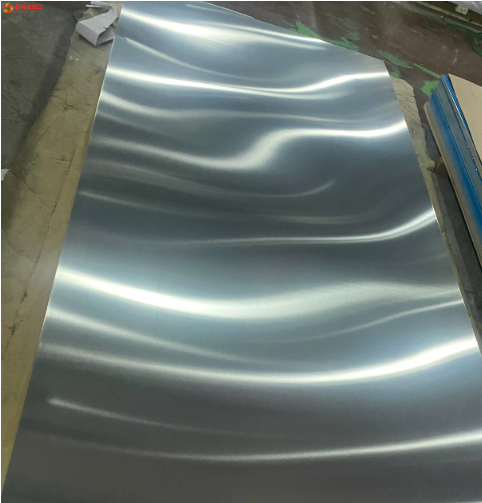
An aluminum sheet thickness chart helps you see the exact thickness of aluminum sheets in different units. You use this chart to compare gauge numbers, millimeters, and inches. This makes it easier to pick the right sheet for your project. HZ Target Metal offers many types of aluminum sheets and plates, like the 1xxx Series for wiring or the 4xxx Series for heat resistance. You can find these series in many thicknesses, so the chart is a helpful tool.
The aluminum sheet thickness chart shows thickness in three main ways: gauge, millimeters (mm), and inches (in). Each unit helps you understand the size of the sheet. In the United States, people often use gauge and inches. In other countries, millimeters are more common. Here is a table that shows how these units compare:
Gauge | Decimal Equivalent [in] | Decimal Equivalent [mm] |
|---|---|---|
10 | 0.102 | 2.59 |
12 | 0.081 | 2.05 |
14 | 0.064 | 1.63 |
16 | 0.051 | 1.29 |
18 | 0.040 | 1.02 |
20 | 0.032 | 0.81 |
22 | 0.025 | 0.64 |
24 | 0.020 | 0.51 |
26 | 0.016 | 0.41 |
28 | 0.013 | 0.32 |
Gauge numbers do not match up with the actual thickness in millimeters or inches. For example, a 16-gauge aluminum sheet is 0.051 inches or 1.29 mm thick. This is different from other metals, so you need to use the aluminum sheet thickness chart to avoid mistakes. Here is a chart that shows how gauge, inches, and millimeters relate:
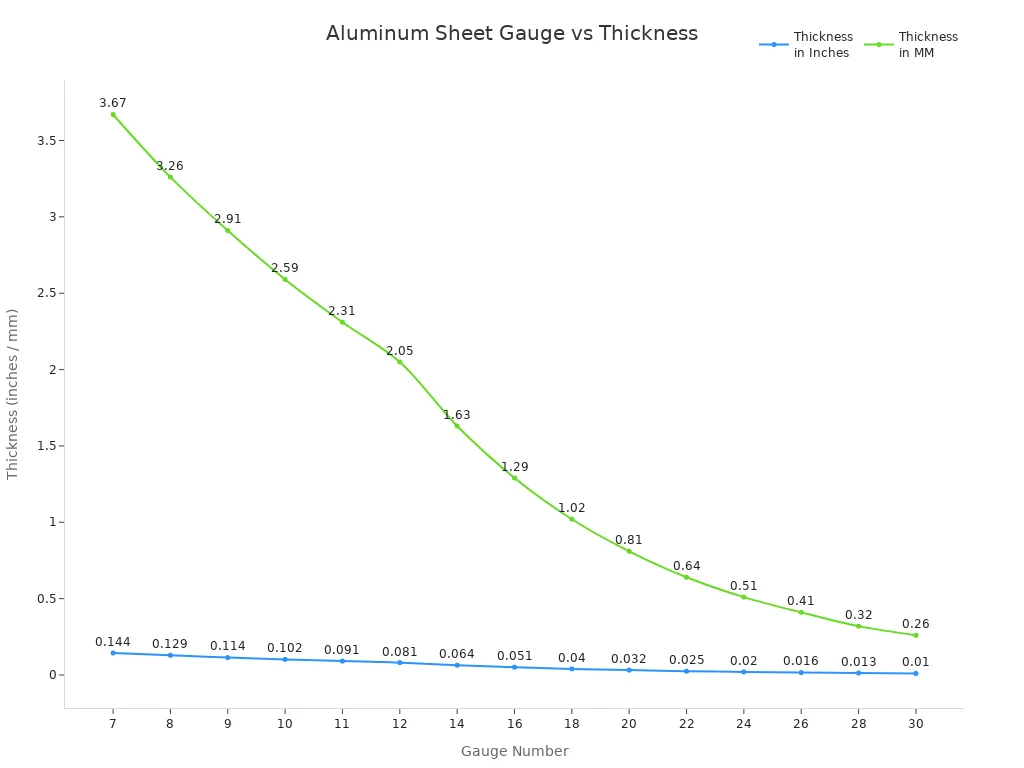
The aluminum sheet thickness chart gives you the gauge, the thickness in millimeters, and the thickness in inches. This helps you choose the right sheet for your needs. Manufacturers, fabricators, and project planners use these charts every day. They make sure the sheet matches the project’s needs, whether it is for wiring, heat resistance, or strong framing. HZ Target Metal uses these charts to help you find the best aluminum sheet for your job.
Tip: Always check the chart before you order. This helps you get the right thickness for your project.
When you look at an aluminum gauge thickness chart, you see numbers called gauges. These numbers help you measure how thick a sheet of aluminum is. A lower gauge number means the sheet is thicker. A higher gauge number means the sheet is thinner. This system is traditional, but it does not show the exact thickness in inches or millimeters. For example, a 10-gauge aluminum sheet measures 0.102 inches thick, while a 10-gauge steel sheet measures 0.141 inches thick. This difference can cause problems if you do not check the chart carefully.
Gauge Number | Steel Thickness (inches) | Aluminum Thickness (inches) |
|---|---|---|
14 | 0.0747 | 0.06408 |
10 | 0.141 | 0.102 |
You need to use the aluminum gauge thickness chart because the actual thickness changes depending on the metal. Always check the chart before you choose a sheet for your project.
Gauge numbers are a traditional measurement system for metal thickness.
A lower gauge number indicates a thicker metal.
Actual thickness varies by material, so you must use a gauge thickness chart.
You can follow these steps to read and use an aluminum gauge thickness chart for your project:
Pick the correct chart for aluminum. Do not use charts for other metals because each metal has its own thickness values.
Look at the gauge number. Remember, a higher gauge number means a thinner sheet.
Find the actual thickness in inches or millimeters next to the gauge number. This helps you know the exact size.
Decide what thickness you need for your project. Think about how much weight the sheet must hold and how flexible it should be.
Choose the thinnest sheet that meets your needs. This can help you save on shipping and production costs.
Here is a table that shows how gauge numbers match up with inches and millimeters for aluminum sheets:
Gauge | Inches | mm |
|---|---|---|
10 ga | 0.1019 in | 2.59 mm |
12 ga | 0.0808 in | 2.05 mm |
14 ga | 0.0641 in | 1.63 mm |
16 ga | 0.0508 in | 1.29 mm |
18 ga | 0.0403 in | 1.02 mm |
20 ga | 0.032 in | 0.81 mm |
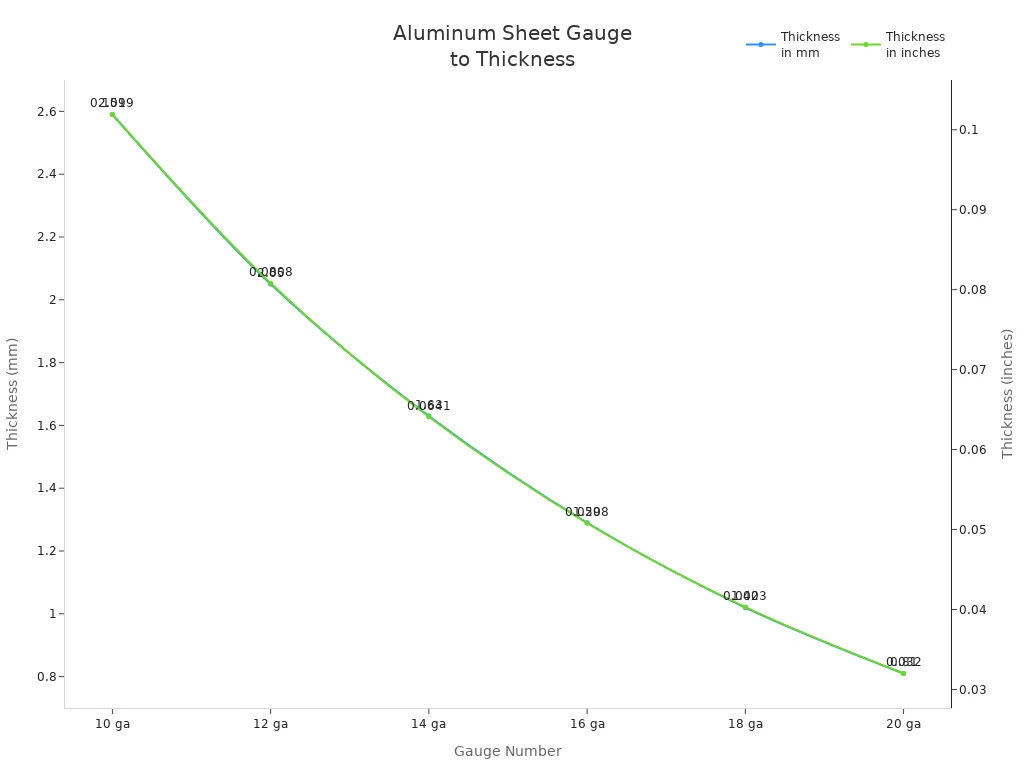
HZ Target Metal makes sure its aluminum sheets and plates match these industry standards. You can trust that the thickness you see in the chart will match the product you receive.
Tip: Always use the aluminum gauge thickness chart to convert gauge numbers to millimeters or inches. This helps you avoid mistakes and pick the right sheet for your project.
When you use an aluminum gauge thickness chart, you also need to think about tolerances. Tolerance means the small difference allowed in the thickness of the sheet. Manufacturers set these limits to make sure every sheet is close to the size you expect. If you need a very exact thickness, check the tolerance listed for each product.
HZ Target Metal follows strict quality standards. You get aluminum sheets and plates with reliable thickness and tight tolerances. This helps you plan your project with confidence.
Note: Always check the tolerance information before you order. This makes sure your aluminum gauge thickness matches your needs.

When you start a project, you must pick the right aluminum sheet thickness. The aluminum sheet thickness chart lets you compare different choices. You should think about a few things before you choose:
Application
Environment
Load-bearing needs
Grade of aluminum
Thickness
Finish
Mechanical properties
Corrosion resistance
Availability
Cost
A 4mm aluminum sheet is good for many jobs. Sometimes, a 1.6mm sheet is enough for lighter work. If your project needs more strength, you should use a thicker sheet. HZ Target Metal has many series, like the 1xxx for wiring and the 4xxx for heat resistance. You can use the chart to find the best series and thickness for your project.
The aluminum sheet thickness chart is helpful in many industries. Here are some common ways people use aluminum sheets:
Application Scenario | Aluminum Sheet Thickness |
|---|---|
Architectural decoration | 1.0mm to 3.0mm |
Aerospace | Above 6.0mm |
Mechanical manufacturing | 1.0mm to 20.0mm |
For example, if you build an office, you might use a 4mm sheet for curtain walls. In aerospace, you need sheets above 6mm for safety and strength. HZ Target Metal sells sheet metal in all these thicknesses, so you can always find what you need.
You use the aluminum sheet thickness chart to make sure your project is correct. The chart helps you:
Check that your sheet metal meets industry rules for strength.
Pick the right gauge for your job, which changes how it works.
Plan your budget by knowing the thickness and cost.
Make sure your materials match what the supplier says.
Help workers cut and shape the sheets the right way.
When you use the chart for your project, you get better results. You make sure your building, machine, or product is strong and works well. The chart also helps you save money by picking the best thickness for your needs.
You can stop many mistakes if you follow some easy steps. First, always check which gauge chart you use. Aluminum and other metals have different gauge standards. If you mix them up, you might get confused. Always use the right chart for aluminum.
Some people pick the wrong tool for measuring. Calipers and micrometers are best for aluminum sheets. Plug gauges are good for holes and slots. Squares help you measure right angles. Make sure you use the right tool for each job.
Material tolerances are important. If you forget about them, your product may not fit or work right. Coatings or plating can make the sheet thicker. You need to add these to your calculations. Keep your notes clear and update your gauge chart if your design changes.
Here are some tips to help you avoid mistakes:
Think about material strength, corrosion resistance, and conductivity.
Pick the right process, like bending or welding, and check if it needs a certain thickness.
Decide how thick the sheet should be for weight and flexibility.
Use the thinnest sheet that works for your project to save money.
Tip: Always check the real thickness before you order. This helps you avoid expensive mistakes.
Good measuring makes sure your aluminum sheet fits your project. You should use tools you can trust, like calipers, micrometers, and height gauges. R-gauges are good for measuring curves. Plug gauges are for holes, and squares check right angles.
Follow these steps to check your measurements:
Step | Description |
|---|---|
1 | Use decimal thickness instead of gauge numbers for better accuracy. |
2 | Use calipers or sheet metal gauge tools for exact measurement. |
3 | Match the decimal thickness of old materials when you order new sheets. |
HZ Target Metal gives you high-quality products and custom options. You can pick from many thicknesses, widths, and lengths. The company follows world standards and takes custom orders, so you get what you need for your project.
Note: Always check your measurements twice before you buy. This makes sure your aluminum sheet will work as you want.
Aluminum sheet thickness charts help you pick the best sheet. This helps your project work well and saves money. HZ Target Metal gives you help in many ways:
Skilled engineers give you advice.
Products are high quality and tested.
You can get custom sheets for your needs.
You can use the chart to match your project needs. Think about these things:
Factors to Consider | Description |
|---|---|
Application | Pick thickness for what your project needs. |
Material Type | Choose the best material for good results. |
Environmental Factors | Think about how weather or place affects your sheet. |
Industry Standards | Follow rules to keep things safe and good. |
Weight | Make sure the sheet can hold the weight. |
Budget | Choose a thickness that costs what you can pay. |
Try these tips to help your next project turn out great.
Gauge is a number that shows how thick a metal sheet is. You use a chart to see the real thickness in inches or millimeters. Lower gauge means thicker sheet.
You use a caliper or micrometer to measure the thickness. Place the tool on the edge of the sheet. Read the number on the scale for the exact thickness.
Thickness affects strength, weight, and flexibility. You pick the right thickness to make sure your project works well and lasts longer.
No, you cannot. Steel and aluminum have different gauge values. Always use the chart made for aluminum sheets to avoid mistakes.
You pick the 1xxx Series for wiring because it has high purity. For heat resistance, you use the 4xxx Series. Each series fits a special need.


