
English 
T: +86-571-8663-6649
E: hzbjys@hzbjys.com
E: hzbjys@hzbjys.com
7/F, 1st Building Of ZhongHao WangJiang International Center, NO.332 East WangJiang Road, HangZhou, ZheJiang, China.
Views: 0 Author: Site Editor Publish Time: 2026-08-08 Origin: Site


Historical stigmas often overshadow engineering realities. In the 1960s and 1970s, utility-grade aluminum in residential branch circuits led to well-documented thermal expansion failures. Fast forward to today, and the landscape has completely transformed. Modern aluminum alloys serve as the undisputed backbone of contemporary global power grids and heavy infrastructure.
Electrical engineers, project managers, and procurement teams face escalating copper costs, supply chain volatility, and strict weight limitations. These constraints heavily impact large-scale infrastructure, commercial builds, and renewable energy projects. Relying solely on heavy, volatile commodities restricts project scalability and complicates installation logistics.
Modern Aluminum Wire presents a highly engineered, code-compliant alternative. It solves weight and cost constraints without sacrificing long-term safety or performance. Success relies entirely on specifying the correct metallurgical alloy and adhering to strict, modernized termination methods.
Cost and Weight Efficiency: Aluminum wire offers roughly twice the conductivity of copper by weight, making it the "smarter choice" and the standard for high-voltage transmission and large-scale commercial distribution.
Modern Code Compliance: The shift to 8xxx series aluminum wire has eliminated the thermal expansion and creep issues associated with legacy utility-grade aluminum used in mid-century residential builds.
Application Specificity: Selection depends heavily on the alloy; while 8xxx is used for electrical distribution, 7xxx series aluminum wire serves high-stress structural needs, and soft aluminum wire is utilized for specialized manufacturing and tying applications.
Installation Imperatives: Successful implementation requires strict adherence to termination protocols, including the use of dual-rated (AL/CU) lugs and antioxidant compounds to prevent galvanic corrosion.
Understanding the physics behind conductor materials is essential for modern infrastructure design. Aluminum possesses exactly 61% of the electrical conductivity of copper by volume. However, it weighs only 30% as much as copper. This specific physical ratio dictates its dominance in heavy infrastructure and long-distance transmission.
An aluminum conductor can carry the exact same electrical current as a copper conductor while weighing half as much overall. This drastically reduces the structural load placed on conduits, cable trays, and overhead transmission towers. Engineers can design lighter, more efficient support structures. Furthermore, field installers face significantly less physical strain during complex cable pulls. Pulling a 500 kcmil copper cable through a 200-foot underground PVC conduit requires heavy mechanical tuggers and massive pulling tension. Swapping that run to an equivalent aluminum conductor cuts the physical weight in half. This reduces friction inside the pipe, lowers the risk of damaging the cable insulation during the pull, and requires less heavy machinery on site.
Commodity markets dictate project feasibility. Copper markets experience intense historical fluctuations and frequent supply chain bottlenecks. Mining constraints, geopolitical shifts, and high global demand create unpredictable procurement cycles. These variables make long-term project budgeting exceptionally difficult for large-scale developments.
Aluminum offers relative market stability. It boasts broader global availability and maintains a consistently lower baseline cost. This economic delta becomes a critical project viability factor. Large-scale commercial, industrial, and utility projects require massive volumes of conductive material. Switching to aluminum stabilizes procurement budgets and ensures material availability during critical construction phases. When you order miles of feeder cable for a new hospital or data center, knowing the material will arrive on schedule without sudden market-driven surcharges keeps the entire build on track.
The failures of the 1970s stemmed from a specific metallurgical mismatch rather than an inherent flaw in aluminum itself. Builders used AA-1350 utility-grade aluminum in small residential branch circuits. This nearly pure aluminum suffered from cold flow and high thermal expansion. Connections loosened over time under the pressure of standard terminal screws, causing arcing and severe fire risks.
Regulatory bodies responded decisively to these mechanical failures. The National Electrical Code (NEC) and ASTM standards evolved rapidly. They now mandate highly specific metallurgical compositions for any aluminum used as building wire. These modern regulatory standards effectively neutralize historical risks. Today, inspectors and authorities having jurisdiction (AHJ) look for specific alloy stamps on the cable jacket before signing off on a rough-in.
Utility transmission remains the dominant global use case for this metal. Aluminum stands as the undisputed preferred wire material for modern electricity transmission across vast geographic distances. Copper is simply too heavy and economically unviable for spanning miles of open terrain.
Utilities rely heavily on Aluminum Conductor Steel Reinforced (ACSR) cables for overhead power lines. The outer aluminum strands provide excellent electrical conductivity and resist environmental corrosion. The inner steel core delivers the necessary tensile strength to span wide gaps between high-voltage transmission towers. This hybrid engineering approach prevents line sagging and withstands severe weather conditions, including ice loading and high winds. Linemen depend on this specific construction to maintain grid integrity during severe winter storms.
Heavy-duty commercial applications depend entirely on high-capacity aluminum conductors. Electrical contractors install them for main feeder lines, switchgear wiring, and large-capacity distribution panels. High-amperage circuits require exceptionally thick cables to handle the electrical load safely.
Copper becomes prohibitively heavy and difficult to bend at these massive gauges. While aluminum is rarely used for 15-amp or 20-amp residential branch circuits today, it remains the absolute standard for commercial service entrances. Hospitals, manufacturing plants, and high-rise office buildings rely on it to distribute power from the main transformer to regional electrical panels throughout the facility. When routing 400-amp or 800-amp services, contractors almost exclusively pull aluminum to manage the physical logistics of getting the wire into the main breaker lugs.
Solar farms, wind turbine installations, and Battery Energy Storage Systems (BESS) require massive, interconnected electrical networks. The lightweight nature of aluminum facilitates easier routing within these complex renewable setups. Installers can maneuver thick cables through tight utility trenches and complex inverter stations with greater ease.
In wind energy applications, aluminum reduces the total structural weight of nacelles located at the top of the turbines. Lower weight allows engineers to design taller towers and install larger, more powerful generators. Ultimately, aluminum supports the rapid scaling of modern grid infrastructure by streamlining installation logistics across expansive, remote project sites. Solar combiners and massive battery racks utilize aluminum busbars and heavy-gauge feeders to move direct current efficiently before inversion.
Copper-Clad Aluminum (CCA) consists of a solid aluminum core metallurgically bonded with a thin outer layer of pure copper. This composite wire targets specific high-frequency electrical applications where solid copper is unnecessary. Manufacturers use CCA extensively in high-quality voice coils, power cables, antennas, and coaxial cables.
Alternating current exhibits a physical phenomenon known as the "skin effect." The electrical current travels primarily along the outer surface of the conductor rather than through its center. CCA leverages this physical reality perfectly. The wire performs electrically like solid copper because the current rides on the copper skin, while the core retains the distinct weight and economic benefits of aluminum. You will frequently see CCA in low-voltage audio systems and specialized radio frequency transmission lines.
This specific alloy defines modern electrical safety and NEC compliance. Metallurgists create it by alloying pure aluminum with precise amounts of iron, magnesium, and occasionally trace amounts of copper. The addition of these elements fundamentally changes the metal's physical and mechanical properties.
Modern 8xxx series aluminum wire mimics the creep resistance and flexibility of copper. It resists cold flow under mechanical pressure, meaning connections remain tight over decades of thermal cycling. Consequently, it stands as the only NEC-approved aluminum alloy for modern building wire. Engineers specify this series confidently for all interior commercial feeders and distribution networks. When you strip the insulation off a modern feeder cable, you are looking at an 8xxx series conductor designed specifically to hold its shape inside a mechanical lug.
This series shifts the engineering focus from electrical conductivity to raw mechanical power. Manufacturers alloy the aluminum primarily with zinc, along with smaller amounts of magnesium and copper. The resulting material boasts exceptionally high tensile strength and superior fatigue resistance compared to other aluminum series.
Because of its mechanical rigidity, 7xxx series aluminum wire is generally reserved for aerospace components, high-stress structural applications, and specialized mechanical fasteners. Engineers specify this alloy when structural integrity and load-bearing capabilities supersede electrical performance. It does not serve standard electrical transmission roles, but rather holds physical structures together under extreme stress. You will find this material in aircraft frames, high-end bicycle components, and heavy-duty carabiners used in fall protection gear.
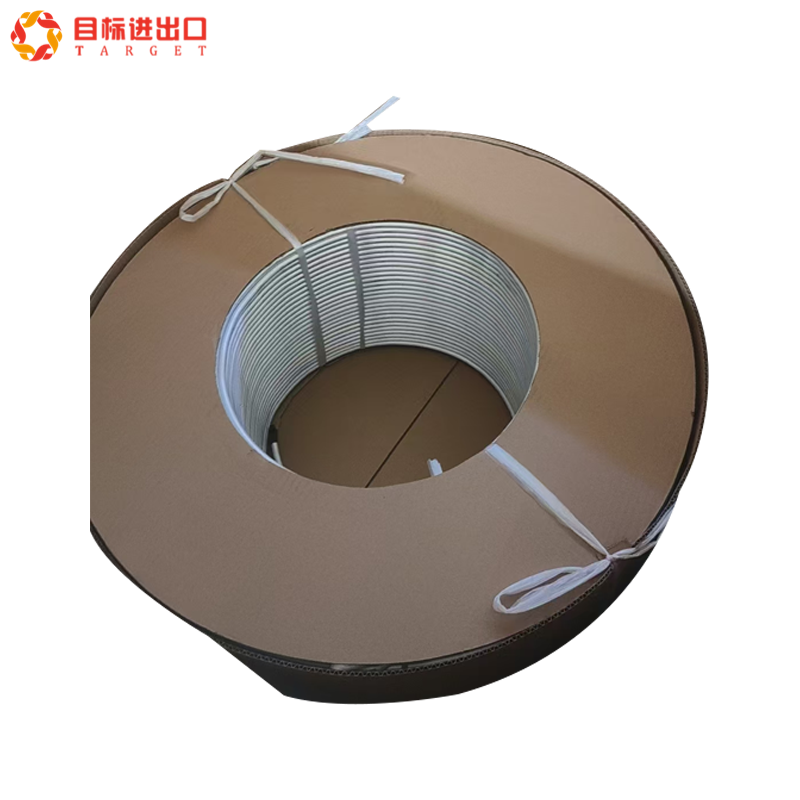
This profile consists of fully annealed (O-temper) aluminum. The annealing process involves heating the metal and allowing it to cool slowly. This relieves internal crystalline stresses, offering maximum ductility and flexibility without breaking or snapping under tension.
Highly malleable soft aluminum wire serves primarily in non-electrical or specialized utility applications. Construction crews use it extensively as tie wire for securing steel rebar before pouring concrete. Agricultural sectors utilize it for lightweight fencing. Custom manufacturing processes rely on this wire when extreme malleability represents the primary material requirement, allowing it to be shaped and twisted by hand. Ironworkers carry spools of this wire on their belts to rapidly tie rebar grids together on commercial foundation pours.
Direct substitution between these two metals requires careful mathematical calculation. Because aluminum has lower volumetric conductivity, you cannot simply swap wires of the exact same size. To match the ampacity of a copper conductor, aluminum wire must generally be upsized by one or two American Wire Gauge (AWG) sizes.
For example, a circuit requiring a #3 AWG copper wire will typically require a #1 AWG aluminum wire to carry the same electrical load safely without overheating. This upsizing impacts the entire installation pathway. Engineers must calculate for larger conduit sizes to accommodate the thicker wire diameter. Larger conduits require wider bending radii and take up more physical space within wall cavities, underground trenches, or overhead cable trays. Project managers must account for these spatial requirements early in the design phase.
Conductor Material Comparison Matrix
Property | Aluminum (Modern 8xxx) | Copper (Standard) |
|---|---|---|
Conductivity by Volume | Approx. 61% | 100% (Baseline) |
Weight Ratio | 30% of Copper | 100% (Baseline) |
AWG Sizing for Equal Ampacity | Requires 1-2 sizes larger | Standard baseline size |
Primary Use Case | High-voltage transmission, heavy commercial feeders | Small branch circuits, tight-space routing, electronics |
Labor hours dictate the success or failure of a commercial electrical contract. Heavy materials slow down production and increase the risk of job site injuries. When pulling large parallel runs of feeder cable, the physical weight of the conductor becomes a massive logistical hurdle. Copper requires heavy-duty cable pullers, massive sheaves, and multiple electricians to guide the wire into the conduit.
Aluminum changes the labor dynamic entirely. Because it weighs 70% less than copper, a smaller crew can set up the wire pull, feed the spools, and operate the tugger. The lighter wire bends more easily around 90-degree sweeps in the conduit run. This flexibility reduces the physical strain on the insulation, lowering the chances of a ground fault caused by dragging heavy wire across a sharp conduit edge. Faster pulls mean fewer labor hours billed to the project, keeping the electrical contractor under budget and ahead of schedule.
All metals expand when heated by electrical current and contract when cooled. Aluminum expands and contracts at a different rate than copper or the brass used in standard termination lugs. This thermal cycling can potentially loosen connections over time, increasing electrical resistance and generating dangerous localized heat.
Mitigation requires two strict protocols. First, engineers must specify the use of modern 8xxx series alloys, which inherently resist cold flow and maintain their shape under pressure. Second, project managers must mandate the use of calibrated torque wrenches during installation. Installers must tighten every single lug to the exact inch-pound specifications provided by the hardware manufacturer. Guesswork during termination is strictly prohibited. An undertorqued lug will arc, while an overtorqued lug will crush the wire strands and weaken the connection.
Galvanic corrosion occurs when two dissimilar metals come into direct physical contact in the presence of an electrolyte, such as ambient moisture or high humidity. In this scenario, the aluminum acts as an anode and corrodes rapidly, destroying the electrical connection and creating a severe fire hazard.
Mitigation demands strict physical separation. Electrical codes require the use of dielectric barriers. You must strictly prohibit the direct splicing of bare copper to bare aluminum wires. Installers must use specialized, code-approved mechanical connectors designed specifically to isolate the two metals while allowing current to pass through safely. Polaris blocks and specialized split-bolt connectors with internal dividers provide the necessary physical separation to keep the metals from interacting.
Hardware selection dictates the long-term safety of the entire electrical system. Specify that all lugs, breakers, and mechanical connectors must be dual-rated. Look for the AL7CU or AL9CU stamped markings on the hardware. These stamps indicate the connector is tested and approved for both aluminum and copper at 75°C or 90°C operating temperatures.
Chemical preparation is equally critical to mechanical fastening. Detail the mandatory application of oxide-inhibiting joint compounds. Installers must apply this antioxidant paste heavily on bare aluminum conductors immediately prior to inserting them into the termination lug. This chemical barrier prevents ambient oxygen from reaching the metal, stopping the formation of highly resistive aluminum oxide on the wire surface. Wire brushing the bare aluminum strands right before applying the paste ensures you remove any existing oxidation layer.
Consult with your electrical engineer to calculate the exact AWG upsizing and conduit fill requirements for your specific project loads.
Review local AHJ codes to verify regional compliance standards for dual-rated termination hardware and antioxidant compound applications.
Request specific metallurgical certifications from your wire manufacturer to guarantee the delivery of NEC-approved 8xxx series alloys for all building wire.
Audit your job site tools to ensure all installation crews possess calibrated torque wrenches that meet the manufacturer's inch-pound specifications for every lug.
A: Yes. Modern installations utilize 8xxx series aluminum alloys, fully approved by the National Electrical Code (NEC). These advanced alloys contain iron and magnesium, eliminating the cold flow and thermal expansion risks associated with outdated 1350 utility-grade aluminum used in the 1970s.
A: Older utility-grade aluminum lacked the structural memory needed for building wire, leading to loose connections. The 8xxx series introduces iron and magnesium into the metallurgical mix. This specific alloying process prevents cold flow and mimics the creep resistance of copper, ensuring long-term connection stability.
A: Power lines rely on aluminum due to its exceptional weight-to-conductivity ratio. While it requires a larger diameter than copper to carry the same current, it weighs significantly less. This reduces the structural load on transmission towers, making it the smarter choice for spanning long distances.
A: Soft aluminum is fully annealed to provide maximum ductility and flexibility. Construction crews use it extensively as tie wire for securing rebar. It is also utilized in agricultural fencing, specific grounding applications, and custom manufacturing processes that require extreme malleability over structural rigidity.
A: Yes. Aluminum wire must be terminated using dual-rated lugs marked AL7CU or AL9CU. Additionally, installers must apply an oxide-inhibiting joint compound to the bare wire before termination. This prevents galvanic corrosion and stops the formation of resistive aluminum oxide.
A: Aluminum possesses roughly 61% of the electrical conductivity of copper by volume. However, because it is much lighter, one pound of aluminum conducts more than twice the amount of electricity as one pound of copper. This makes it highly superior by weight.
A: The 7xxx series is alloyed primarily with zinc, resulting in exceptionally high tensile strength and fatigue resistance. Rather than electrical transmission, this robust alloy is reserved for aerospace components, high-stress structural applications, and specialized mechanical fasteners where mechanical durability is paramount.


