
English 
T: +86-571-8663-6649
E: hzbjys@hzbjys.com
E: hzbjys@hzbjys.com
7/F, 1st Building Of ZhongHao WangJiang International Center, NO.332 East WangJiang Road, HangZhou, ZheJiang, China.
Views: 0 Author: Site Editor Publish Time: 2025-09-11 Origin: Site


In the rapidly evolving electronics industry, even the smallest components play a crucial role in overall device performance. Among these, buttons are not merely functional elements—they are essential for user interaction, precision, and reliability. Oxygen-free copper (OFC) buttons have emerged as a preferred choice for high-performance electronics, offering superior electrical and thermal conductivity, durability, and corrosion resistance. However, manufacturing and designing these buttons requires careful consideration to maximize their advantages. This article explores the key manufacturing and design considerations for oxygen-free copper buttons, providing insights into their material properties, production processes, and application in modern electronics.
Oxygen-free copper is a high-purity copper material with an extremely low oxygen content, typically less than 0.001%. The absence of oxygen reduces micro-voids and impurities that can degrade electrical and thermal performance. Compared to standard copper, OFC exhibits superior conductivity, mechanical stability, and resistance to oxidation. These characteristics make it ideal for electronic components, particularly buttons, where reliable signal transmission and durability are critical.
OFC buttons are commonly used in consumer electronics, audio devices, industrial control systems, medical equipment, and aerospace applications. Their high conductivity ensures precise electrical contact, while their durability and corrosion resistance guarantee long-term performance.
Designing oxygen-free copper buttons requires careful attention to both functional and aesthetic factors. The following considerations are critical for creating effective, reliable, and user-friendly buttons:
The primary purpose of any electronic button is to provide reliable electrical contact. When designing OFC buttons, manufacturers must consider:
Contact Surface Area: Larger contact areas reduce resistance and improve conductivity. For high-current applications, optimizing surface area ensures efficient current flow and prevents overheating.
Plating and Coating: Oxygen-free copper can be plated with metals such as gold, nickel, or silver to enhance conductivity, reduce oxidation, and improve durability. Choosing the appropriate plating depends on the intended application and environmental conditions.
Signal Integrity: In precision electronics, the design must minimize contact bounce and electrical noise, ensuring accurate signal transmission with every press.
Oxygen-free copper is inherently strong, but the design must account for repeated mechanical stress:
Button Shape and Thickness: Proper thickness and geometry prevent bending, deformation, or breakage under repeated use.
Mounting Method: Buttons can be designed for surface mount, through-hole, or hybrid attachment methods. Each approach impacts mechanical stability and performance.
Wear Resistance: Consideration of repeated pressing cycles is essential. Surface treatments, such as hardening or plating, can enhance durability.
Electronic buttons may generate heat during operation, particularly in high-current or high-frequency applications. Effective thermal management ensures long-term reliability:
Heat Dissipation: OFC’s high thermal conductivity allows efficient heat transfer away from the contact area, preventing localized overheating.
Integration with Circuit Design: The button’s placement on the PCB should facilitate heat dissipation and minimize thermal stress on surrounding components.
Even small amounts of oxygen or impurities can lead to corrosion over time, affecting performance:
Material Purity: High-purity OFC reduces oxidation risk and ensures consistent electrical contact.
Protective Coatings: Applying coatings such as nickel, tin, or gold plating enhances corrosion resistance, particularly in humid or chemically aggressive environments.
Environmental Considerations: Buttons used in industrial, marine, or outdoor electronics require additional protective measures against moisture, salts, and pollutants.
While performance is critical, the appearance and user interaction of OFC buttons are also important:
Shape and Size: Buttons must be comfortable to press while fitting seamlessly into the device design. Ergonomic considerations include tactile feedback, travel distance, and actuation force.
Finish and Texture: Polished, brushed, or plated finishes can enhance visual appeal and match the overall design language of the device.
Branding and Customization: Engraving or embossing logos and patterns on OFC buttons adds value, particularly in high-end electronics or consumer products.
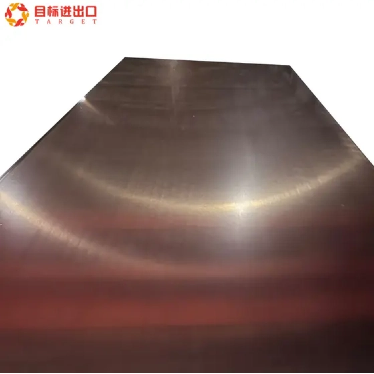
The production of oxygen-free copper buttons involves several critical steps to ensure quality, consistency, and performance. The following manufacturing considerations are essential:
Selecting high-quality oxygen-free copper is the foundation of successful button production. Key factors include:
Purity Level: Higher purity ensures superior conductivity, reduced micro-voids, and minimal impurities.
Source Consistency: Reliable suppliers provide OFC with consistent chemical composition and mechanical properties.
Pre-treatment: Material may be annealed or otherwise processed to optimize mechanical and electrical characteristics.
Button shape and size must meet exact specifications:
Stamping and Punching: Precision stamping or punching ensures uniformity and accurate dimensions.
CNC Machining: For intricate designs or custom shapes, CNC machining allows high precision and repeatability.
Molding: In some cases, OFC may be cast or molded for complex geometries, followed by machining for accuracy.
Surface treatment is critical for performance and longevity:
Polishing: Smooth surfaces improve electrical contact and reduce friction.
Plating: Nickel, gold, silver, or tin plating protects the button from oxidation, enhances conductivity, and provides aesthetic appeal.
Quality Control: Plating thickness and uniformity must be closely monitored to ensure consistent performance.
Buttons must adhere to strict tolerances to function reliably:
Dimensional Accuracy: Tight tolerances prevent misalignment and ensure consistent contact with mating components.
Electrical Testing: Resistance measurements and conductivity tests verify performance.
Mechanical Testing: Repeated actuation, fatigue, and stress tests ensure durability under expected use conditions.
Oxygen-free copper buttons must be compatible with modern electronic assembly processes:
Surface Mount Technology (SMT): Buttons designed for SMT must withstand reflow soldering temperatures and maintain mechanical integrity.
Through-Hole Mounting: Through-hole designs offer greater mechanical stability but require precise drilling and alignment.
Hybrid Approaches: Some devices use a combination of mounting techniques to optimize performance and reliability.
OFC buttons are used across a wide range of electronic devices and industries:
Consumer Electronics: Smartphones, tablets, remote controls, gaming devices, and home appliances benefit from OFC buttons for reliability and performance.
Audio Equipment: Amplifiers, headphones, and high-fidelity sound systems rely on OFC buttons to minimize signal loss and maintain sound quality.
Industrial and Control Systems: Durable buttons are essential for control panels, machinery, and automation systems.
Medical Devices: Precision and reliability are critical in diagnostic and monitoring equipment, where OFC buttons ensure accurate and consistent operation.
Aerospace and Defense: OFC buttons are used in environments requiring extreme reliability, such as aircraft control systems and military electronics.
As technology evolves, the design and manufacturing of oxygen-free copper buttons continue to advance:
Miniaturization: Smaller, more compact buttons are needed for modern electronic devices without sacrificing conductivity or durability.
Smart Integration: OFC buttons are increasingly integrated with sensors, touch interfaces, and LED indicators.
Sustainability: Manufacturers are focusing on recycled OFC and environmentally friendly plating processes to reduce environmental impact.
Advanced Coatings: New coatings improve corrosion resistance, tactile feel, and aesthetics for specialized applications.
Oxygen-free copper buttons are an essential component in modern electronics, providing superior electrical and thermal conductivity, durability, corrosion resistance, and design versatility. However, achieving optimal performance requires careful attention to both manufacturing and design considerations. Key factors include material selection, mechanical design, surface treatment, plating, tolerance control, and integration with device assembly.
By understanding these considerations, manufacturers can produce OFC buttons that meet the rigorous demands of consumer, industrial, medical, and aerospace electronics. The combination of high performance, reliability, and aesthetic appeal makes oxygen-free copper buttons an ideal choice for applications where precision and longevity are paramount. With ongoing innovations in materials and manufacturing techniques, OFC buttons are set to remain a critical element in electronics design for years to come.


