
English 
T: +86-571-8663-6649
E: hzbjys@hzbjys.com
E: hzbjys@hzbjys.com
7/F, 1st Building Of ZhongHao WangJiang International Center, NO.332 East WangJiang Road, HangZhou, ZheJiang, China.
Views: 0 Author: Site Editor Publish Time: 2026-06-11 Origin: Site


Aluminum is definitively a metal, specifically classified as a post-transition metal in Group 13 of the periodic table. Misunderstanding its specific metallic properties—alongside its amphoteric, or dual-natured, chemical behaviors—frequently leads to suboptimal material selection, engineering failures, or overspending on heavier, less efficient alternatives. Material specifiers must grasp exactly how this element behaves under physical and chemical stress to make accurate structural decisions.
Understanding its metallic characteristics is the foundational step in evaluating whether to specify it for a manufacturing, structural, or electrical project. High conductivity, exceptional malleability, and a superior strength-to-weight ratio dictate its performance across diverse industrial applications. Recognizing these traits allows engineers to leverage the material effectively, replacing legacy heavy metals or brittle nonmetals with a highly adaptable substrate.
Definitive Classification: Aluminum (atomic number 13) is a post-transition metal, exhibiting all hallmark metallic traits including thermal/electrical conductivity, malleability, and a shiny, silvery-white appearance.
Direct Contrast to Nonmetals: Unlike nonmetals, which are typically brittle in their solid state and act as poor conductors due to a lack of delocalized electrons, aluminum is highly ductile and conductive.
Engineering Value: Its metallic nature provides a high strength-to-weight ratio and natural corrosion resistance, making it a viable replacement for both heavier metals (steel) and nonmetals (composites).
Form Factor Versatility: The malleability of this metal allows it to be efficiently processed into diverse industrial formats, including aluminum sheet / plate, aluminum coil, and aluminum wire.
Decision Criteria: Selecting aluminum requires evaluating trade-offs regarding galvanic corrosion risks, fatigue limits, and upfront material costs compared to alternative substrates.
The element occupies Group 13, historically known as the boron group, carrying an atomic number of 13. This placement categorizes it firmly as a post-transition metal. Post-transition metals, sometimes referred to as poor metals, sit between the transition metals and the metalloids. Their atomic structure differs significantly from transition metals like iron, titanium, or copper. They typically possess higher electronegativity and lower melting points than their transition counterparts, yet they retain the core electron mobility required to function as true metals.
It exhibits a +3 oxidation state. This specific valence structure dictates its reactivity, bonding behavior, and compound formation. When exposed to oxygen, the +3 oxidation state drives the immediate formation of a passivating oxide layer. This chemical reaction creates a microscopic barrier, halting further oxidation and giving the material its renowned natural corrosion resistance. In field applications like welding, this oxide layer melts at a much higher temperature than the base metal, requiring AC TIG welding processes to clean the surface before the puddle can form.
The defining characteristic of any metal is its electron configuration. The atomic lattice features a "sea of electrons" that detach from individual atoms and move freely throughout the structure. This mobility facilitates high electrical and thermal conductivity. Nonmetals, by direct contrast, feature rigid electron structures where electrons are tightly bound to specific atoms, rendering them insulators.
Physical state and visual appearance further confirm its metallic classification. At room temperature, the element remains a solid with a distinct face-centered cubic crystalline structure. Freshly machined or polished surfaces display a characteristic shiny, silvery-white look. This optical reflectivity is a direct result of delocalized electrons interacting with incoming light photons.
Mechanical traits also separate it from nonmetals. Inherent ductility and malleability define its physical behavior under stress. Solid nonmetals typically shatter or snap when subjected to mechanical force due to their brittle nature. The metallic bonds allow atoms to slide past one another without breaking the overall lattice, preventing brittle failure during heavy manufacturing processes like stamping or extrusion.
Confusion regarding this classification stems primarily from the periodic table's layout. The element sits directly adjacent to the "metalloid staircase," sharing borders with boron and silicon. Proximity to these metalloids leads some to incorrectly assume it shares their semi-metallic properties. However, its electrical conductivity and physical malleability place it strictly in the metal category.
Amphoteric chemical behavior adds to this confusion. The metal reacts with both acids and bases. Dropping it into hydrochloric acid produces aluminum chloride and hydrogen gas, while exposing it to sodium hydroxide yields sodium aluminate and hydrogen gas. This dual-natured reactivity is a trait frequently associated with metalloids, yet the element remains categorically a metal based on its physical and electronic properties.
Non-magnetic and non-sparking traits also mislead casual evaluators. Most people associate metals with the strong ferromagnetism of iron or the sparking nature of high-carbon steel. Because this material lacks noticeable magnetism and will not spark upon impact, evaluators sometimes confuse it with nonmetallic materials like polymers, ceramics, or composites.
Finally, a critical distinction exists between pure elemental metal and its oxide. Pure elemental material is a highly conductive metal. The oxide, commonly known as alumina, forms on the surface but exhibits entirely different properties. Alumina is a ceramic material. It acts as a strict electrical insulator and possesses extreme hardness, displaying distinctly nonmetallic characteristics despite originating from a metallic base.
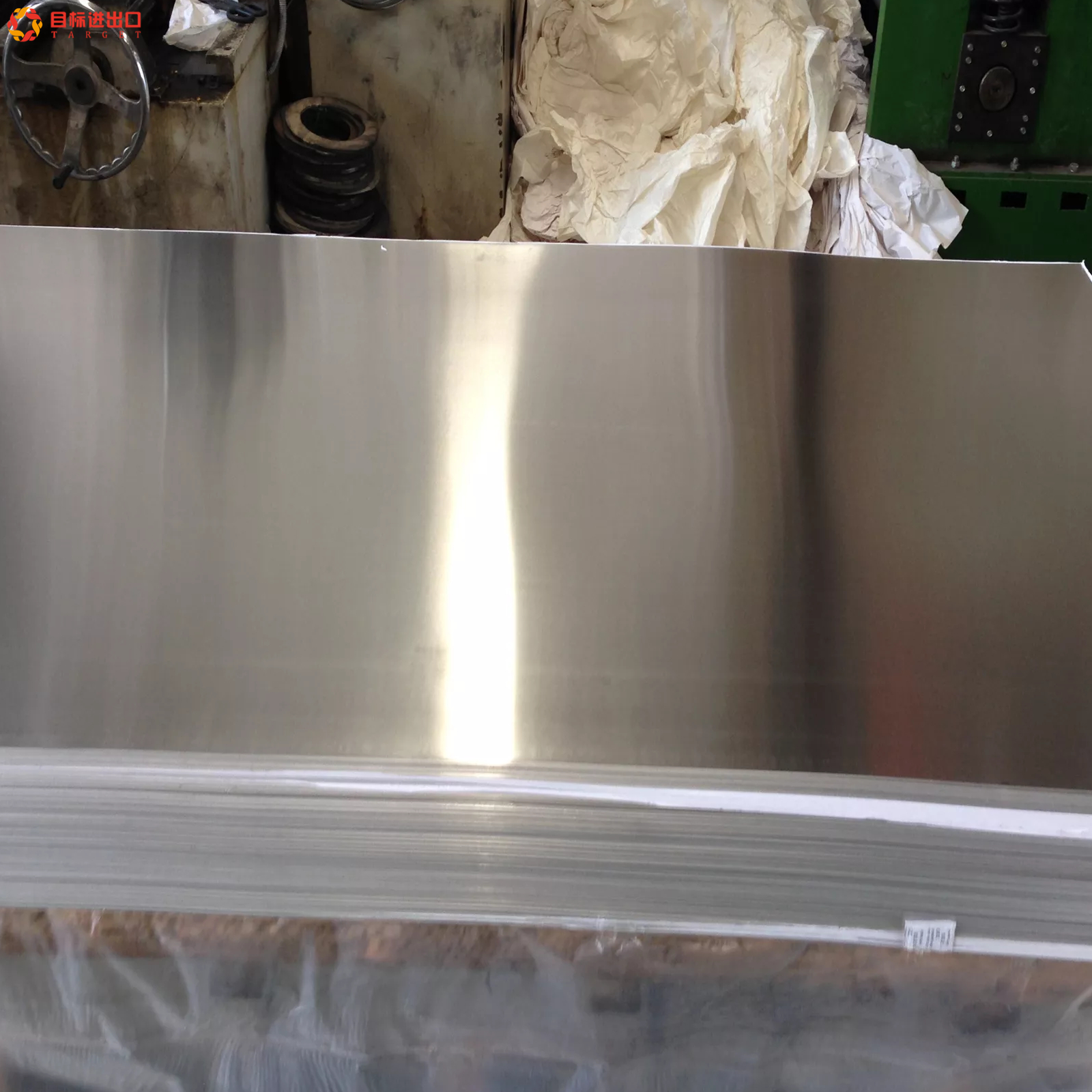
Chemical electron mobility translates directly into industrial energy transmission. The free-flowing electrons allow electrical current and thermal energy to pass through the material with minimal resistance. Engineers leverage this property extensively in power distribution networks. Specifying aluminum wire dominates overhead power grids and aerospace electrical systems. While it possesses roughly 61% of the conductivity of copper by volume, its significantly lower density makes it far more efficient for suspended or weight-sensitive applications.
Thermal dissipation capabilities dictate its use in heat management systems. Extruded heat sinks, HVAC evaporator coils, and electronic enclosures rely on the material to rapidly draw heat away from sensitive components. The thermal conductivity ensures localized heat spreads quickly across the surface area, allowing cooling fans or ambient air to dissipate the thermal load efficiently without adding excessive weight to the assembly.
The face-centered cubic crystalline structure enables extreme plastic deformation without fracturing. When mechanical force is applied, the atomic planes glide smoothly over one another. This formability is mandatory for high-volume manufacturing. Facilities utilize continuous rolling processes to compress thick slabs into thin, continuous sheets.
This process produces aluminum coil, which serves as the primary feedstock for automated stamping, roll forming, and blanking operations. The efficiency of machining and extruding this metal far surpasses harder transition metals like stainless steel or titanium. Tooling lasts longer, machining speeds increase, and complex cross-sectional profiles can be extruded through dies with relatively low force, reducing wear on industrial presses.
Density plays a massive role in structural engineering. The density of this metal is roughly one-third that of steel. When evaluating structural load-bearing applications, this low density allows engineers to design thicker, more rigid components that still weigh significantly less than their steel counterparts. This is particularly evident in long-span architectural roofs and commercial trailer frames.
Baseline strength is often enhanced through precise alloying. Introducing elements like zinc, magnesium, or copper alters the crystalline lattice, dramatically increasing yield strength. Engineers specify alloyed aluminum sheet / plate for marine hulls, automotive chassis, and aerospace bulkheads where failure is not an option. Furthermore, its non-sparking and non-magnetic properties provide immense value in specialized environments. Chemical processing plants, MRI medical facilities, and explosive material handling zones require structural metals that will not interfere with magnetic fields or ignite volatile gases upon impact.
Transportation applications demand strict weight management to maximize fuel efficiency and payload capacity. Comparing light alloys to steel reveals stark operational differences. Replacing steel components with lighter alloys directly lowers the gross vehicle weight. This outcome yields higher payload capacities for commercial freight and improved fuel economy for passenger vehicles. The initial material investment pays dividends over the lifecycle of the vehicle through reduced energy consumption and lower brake wear.
Conductivity versus weight drives the debate against copper. Copper provides superior electrical conductivity per square millimeter. However, copper is exceptionally dense. To achieve equal conductivity, an electrical installation requires a larger diameter wire when using the lighter alternative. Despite the increased diameter, the total weight of the installation drops significantly, offering substantial weight and structural support savings in large-scale commercial builds.
Cost analysis requires looking beyond upfront material premiums. While raw light metals often carry a higher initial purchase price than carbon steel, the long-term return on investment justifies the expense. Natural corrosion resistance eliminates the need for repeated painting, galvanizing, or rust remediation. Operational efficiency increases due to lighter moving parts, reducing wear on motors, hinges, and hydraulic actuators.
Structural integrity comparisons between light metals and industrial plastics or carbon fiber composites highlight distinct behavioral differences. Carbon fiber offers incredible tensile strength but suffers from catastrophic brittle failure under localized impact. Plastics yield and deform permanently under relatively low stress. Metals absorb impact energy through plastic deformation, denting rather than shattering, which maintains overall structural continuity during a collision.
Environmental resilience heavily favors metals in outdoor applications. Polymers and composites suffer from UV degradation, becoming brittle after prolonged sun exposure. Many plastics also absorb moisture, altering their dimensional tolerances. Metals vastly outperform nonmetals in these areas, remaining completely immune to UV radiation and moisture absorption. However, for specific highly acidic or caustic chemical containment, certain specialized fluoropolymers may outlast metallic options.
Recyclability stands as a primary economic and environmental advantage. Polymer-based nonmetals degrade during the recycling process, eventually ending up in landfills. Metals boast infinite recyclability. Melting down scrap requires only 5% of the energy needed to smelt new metal from bauxite ore, and the recycled material retains 100% of its original physical and chemical properties.
Material Performance Comparison Matrix
Property | Lightweight Alloys | Carbon Steel | Carbon Fiber Composites |
|---|---|---|---|
Density / Weight | Low (~2.7 g/cm³) | High (~7.8 g/cm³) | Very Low (~1.5 g/cm³) |
Corrosion Resistance | Excellent (Self-passivating) | Poor (Requires coating) | Excellent (Immune to rust) |
Impact Behavior | Dents (Plastic deformation) | Dents (Plastic deformation) | Shatters (Brittle failure) |
UV Resilience | Immune | Immune | Susceptible to degradation |
Recyclability | Infinite, highly efficient | High | Extremely difficult |
Procurement teams must understand the dimensional thresholds that separate sheet from plate. Industry standards typically utilize a 0.250-inch (6.35 mm) thickness cutoff. Material thinner than 0.250 inches is classified as sheet, while material 0.250 inches and thicker is designated as plate. This distinction dictates manufacturing methods, handling requirements, and structural capabilities on the shop floor.
Primary use cases vary based on this thickness. Sheet is utilized for automotive body panels, architectural facades, and lightweight enclosures where bending and forming are required. Plate handles heavy-duty applications, including structural paneling, military vehicle armor, and heavy-duty transport beds where rigidity is paramount.
Selecting the correct alloy grade is critical for project success. The 5000-series alloys, alloyed with magnesium, offer exceptional corrosion resistance and weldability, making them the standard for marine environments. The 6000-series, alloyed with magnesium and silicon, provides excellent structural strength and machinability, serving as the go-to choice for architectural framing and load-bearing extrusions.
High-volume manufacturing demands continuous material feed. Procuring material in coil form provides massive advantages for continuous manufacturing processes like roll forming, progressive die stamping, and automated blanking. Coils eliminate the start-and-stop inefficiencies associated with loading individual flat sheets into a press, drastically increasing production throughput and reducing material scrap.
Surface treatments and temper designations must be specified accurately during bulk procurement. Buyers can request pre-painted or anodized coils to eliminate downstream finishing processes. Temper designations (such as H32 or T6) indicate the material's hardness and thermal treatment history, dictating how tightly the metal can be bent without cracking during the roll-forming process.
Electrical and utility applications require strict adherence to specific alloy series. Procurement teams must specify 1350-series for high-voltage overhead transmission lines, where maximum conductivity is required and mechanical tension is managed by a steel core. For commercial and residential building wiring, the 8000-series is mandatory, as it offers the flexibility and creep resistance necessary for indoor installations.
Safety standards dictate installation protocols. Creep resistance—the ability of the metal to resist slow deformation under constant mechanical stress—is a known challenge. Installers must utilize proper termination techniques, including the use of oxide-inhibiting joint compounds and correctly rated compression lugs. Failing to follow these termination standards leads to thermal expansion, loose connections, and severe fire hazards in electrical installations.
Dissimilar metal corrosion poses a severe risk in multi-material assemblies. Galvanic corrosion occurs when the metal is placed in direct physical contact with a more noble metal, such as stainless steel or copper, in the presence of an electrolyte like saltwater or high humidity. The less noble metal acts as an anode and rapidly degrades, compromising the joint.
Mitigation strategies require breaking the electrical path between the two metals. Engineers must specify dielectric unions in plumbing applications. In structural assemblies, isolation coatings, rubber gaskets, or specialized polymer washers must separate the metals. Specifying compatible fastening hardware, such as zinc-plated bolts or specialized coated fasteners, prevents localized galvanic pitting around structural joints.
Mechanical fatigue behavior differs fundamentally from ferrous metals. Unlike steel, this material does not possess a defined fatigue limit. Steel can endure an infinite number of cyclic stress loads provided the stress remains below a certain threshold. Light alloys will eventually fail under repeated cyclic loading, regardless of how small the stress amplitude is.
Engineering workarounds are necessary to ensure longevity in high-vibration environments. Designers must over-engineer structural joints to distribute stress across a wider surface area. Utilizing thicker material in known high-stress zones delays the onset of fatigue cracking. Finally, implementing rigorous non-destructive inspection schedules—using dye penetrant or ultrasonic testing—ensures micro-fractures are detected long before catastrophic failure occurs in the field.
The smelting process requires massive amounts of electrical energy to extract the metal from alumina. Consequently, global energy prices directly impact raw material costs. When energy grids experience strain or fossil fuel prices spike, the cost of producing new metal rises sharply, creating pricing volatility in the global supply chain.
Procurement teams must develop strategies to hedge against these price fluctuations. Establishing long-term fixed-price contracts with mills or service centers provides budget stability. Ordering bulk raw materials during market dips and holding inventory can offset future spikes. Additionally, sourcing secondary recycled billets can insulate buyers from the extreme energy premiums associated with primary smelting.
Aluminum is unequivocally a post-transition metal. Its specific metallic properties—including high electron mobility, crystalline malleability, and a reactive +3 oxidation state—contrast sharply against the brittle, insulating nature of nonmetals. These inherent characteristics make it an indispensable industrial material capable of outperforming heavy legacy metals and modern composites in targeted applications.
The shortlisting logic for material selection is straightforward. Choose this metal when the project demands a high strength-to-weight ratio, excellent thermal or electrical conductivity, non-magnetic properties, and natural corrosion resistance. The operational savings in weight reduction and maintenance easily justify the investment over the lifespan of the assembly.
To move forward with your project, execute the following steps:
Consult with a materials engineer to determine the exact alloy series required for your environmental conditions and structural loads.
Define the precise temper and form factor—whether sheet, plate, coil, or wire—that aligns with your shop's manufacturing capabilities.
Identify potential galvanic corrosion points in your assembly and specify the necessary dielectric isolators or coated fasteners.
Request detailed supplier quotes based on those exact specifications to secure supply chain availability.
A: No, it is classified as a light metal. It possesses a very low density of approximately 2.7 g/cm³, which is roughly one-third the weight of heavy transition metals like lead, iron, or copper. This low density makes it ideal for weight-sensitive engineering applications.
A: It does not rust like iron. Rust is specifically iron oxide. Instead, it oxidizes immediately upon exposure to oxygen, forming a hard, microscopic, protective layer of aluminum oxide. This passivating layer seals the surface and prevents further degradation or corrosion.
A: Under normal conditions, it is paramagnetic, meaning it does not exhibit noticeable magnetic properties. It will not attract a magnet. This non-magnetic trait is highly valuable in specialized environments like MRI rooms or sensitive electronic enclosures, though it sometimes causes people to confuse it with nonmetals.
A: The confusion arises from its position on the periodic table directly next to the metalloid staircase (boron and silicon). Additionally, its amphoteric chemical reactions (reacting with both acids and bases) and the ceramic, insulating nature of its oxide layer (alumina) mimic nonmetallic behaviors.
A: The difference lies entirely in thickness. In industrial procurement, a thickness of 0.250 inches (6.35 mm) serves as the cutoff. Material thinner than 0.250 inches is classified as sheet, while material 0.250 inches and thicker is classified as plate.
A: Yes, it can safely replace copper, provided specific engineering standards are met. Installers must use correct 8000-series alloys for building wire and employ proper termination connectors with oxide-inhibiting compounds to mitigate thermal expansion risks and prevent electrical fires.


