
English 
T: +86-571-8663-6649
E: hzbjys@hzbjys.com
E: hzbjys@hzbjys.com
7/F, 1st Building Of ZhongHao WangJiang International Center, NO.332 East WangJiang Road, HangZhou, ZheJiang, China.
Views: 0 Author: Site Editor Publish Time: 2026-02-26 Origin: Site


A measurement that seems simple often causes the most expensive purchasing mistakes. Many buyers encounter a situation where the pipe label says one size while the actual measurement shows something different. That confusion is normal because a Copper Pipe is not measured the way most materials are. Understanding how copper pipe sizing works is essential for selecting compatible fittings, avoiding installation delays, and ensuring system performance. Instead of guessing, a clear method allows engineers, contractors, and purchasing teams to measure correctly, identify the real size, and match specifications to application requirements.
Copper piping belongs to a category known as copper tube rather than standard pipe sizing used for steel or plastic systems. This distinction explains why measurements may appear inconsistent at first glance.
Copper tube uses nominal size as the reference dimension rather than actual outside diameter. Nominal size represents a standardized designation that ensures fittings and components remain compatible across manufacturers. When someone refers to half inch copper pipe, they are usually referring to nominal size, not the physical measurement taken with a caliper.
The actual outside diameter of copper tube is larger than the nominal value. This design ensures consistent connections regardless of wall thickness variations.
Wall thickness categories such as Type K, Type L, and Type M affect internal diameter rather than outside diameter. Because fittings connect to the outside surface, keeping outside diameter consistent allows different wall thickness options to remain interchangeable.
This approach simplifies installation while providing flexibility in durability and pressure rating. It also explains why measuring inside diameter alone can lead to incorrect purchasing decisions.
Measuring copper pipe size accurately does not require specialized tools, but it does require the correct sequence. A structured approach prevents confusion and ensures reliable identification.
Before measuring, verify that the pipe is copper tube rather than steel pipe or plastic piping. Surface appearance, weight, and color typically provide clear indicators. Misidentifying the material can lead to incorrect size interpretation because different materials follow different sizing standards.
Outside diameter is the most reliable measurement for copper pipe identification. Use a caliper for precision when possible. A tape measure can be used in field conditions by measuring circumference and converting to diameter.
Measuring outside diameter provides the key reference needed to determine nominal size using a conversion chart.
Once outside diameter is known, compare it to standard copper tube charts to determine nominal size. This step explains why a measured value larger than the nominal label is correct rather than an error.
Understanding this conversion prevents ordering mismatched fittings and reduces installation delays.
Wall thickness classification becomes important when pressure rating, durability, or application requirements are critical. Type K offers the thickest wall, Type L represents a balanced option, and Type M is typically used for lighter duty applications.
Although outside diameter remains constant, wall thickness influences strength and expected service life.
The final step is confirming compatibility with fittings, valves, and joining methods. Measurement should always align with the connection standard used in the system. Verification ensures the selected copper pipe integrates seamlessly with existing components.
Different measurement dimensions matter depending on project goals. Understanding when each dimension is important improves specification accuracy.
Outside diameter is critical for fittings, couplings, and joining methods. Installation compatibility depends primarily on this measurement. In most procurement scenarios, OD is the main reference used to confirm size.
Internal diameter becomes important when flow performance is the focus. Systems involving fluid velocity, pressure drop, or capacity calculations rely on internal diameter. Wall thickness directly influences this value, which means specification affects hydraulic performance.
Wall thickness determines mechanical strength, pressure rating, and resistance to wear. Applications involving higher pressure, industrial fluids, or long service expectations benefit from thicker wall copper pipe. Matching wall thickness to operating conditions improves reliability and reduces lifecycle cost.
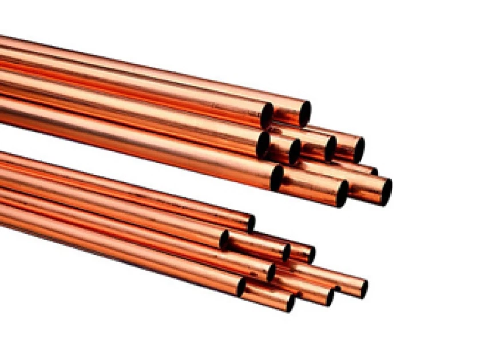
Misunderstandings often arise from assumptions about nominal size. Several common scenarios illustrate where confusion occurs.
Half inch copper tube frequently measures larger than half inch when outside diameter is checked. This is expected because nominal sizing does not equal physical measurement. Buyers who expect the measurement to match the label may assume the wrong specification was supplied.
Another frequent mistake involves ordering based on internal diameter rather than nominal size. Because wall thickness varies, internal diameter differs across pipe types even when nominal size is identical. Ordering by ID can therefore lead to incompatible fittings.
Recognizing these patterns prevents repeated procurement errors and supports consistent specification practices.
Copper pipe form influences measurement accuracy and interpretation.
Coiled copper tube may exhibit slight ovalization due to storage or transport. Measuring a flattened section can produce inaccurate readings. Straight lengths typically provide more consistent measurements but may have end deformation if cutting was not precise.
Material temper also affects measurement behavior. Annealed copper is softer and more flexible, while hard drawn copper maintains shape more consistently.
Measurements should be taken at multiple points to confirm consistency. Avoid measuring near damaged ends or areas affected by bending. Cleaning the surface before measurement improves accuracy when using precision tools.
Using these practices ensures that measurement reflects true specification rather than temporary deformation.
Accurate copper pipe sizing influences more than installation compatibility. System efficiency, maintenance frequency, and long-term performance depend on correct dimension selection.
Improper sizing can lead to excessive velocity, pressure loss, or reduced capacity. Over time, these factors may accelerate wear or reduce efficiency. Correct measurement therefore supports both installation success and operational stability.
In industrial environments, precise sizing is especially important because piping often integrates with equipment requiring strict dimensional tolerance. Measurement accuracy becomes a prerequisite for reliable performance.
Procurement teams often receive requests that list size without sufficient context. Providing outside diameter, nominal size, wall thickness, and application description allows suppliers to confirm specification more accurately.
Clear specification reduces communication delays and prevents mismatched deliveries. It also supports customized solutions such as cut-to-length supply or specialized wall thickness selection.
Hangzhou Target Import & Export Co., LTD. provides a range of copper pipe specifications designed to support different application requirements, including plumbing, HVAC, refrigeration, and industrial projects. Accurate measurement allows customers to match available specifications to project needs efficiently.
The following table provides a practical reference for common copper tube sizes and their typical outside diameter relationships.
Nominal Size | Typical Outside Diameter | Typical Internal Diameter Range | Common Application |
1/4 inch | Small OD reference | Varies by type | Refrigeration lines |
3/8 inch | Standard small OD | Varies by type | HVAC systems |
1/2 inch | Larger than nominal measurement | Varies by type | Residential plumbing |
3/4 inch | Mid-range OD | Varies by type | Water distribution |
1 inch | Larger OD classification | Varies by type | Commercial plumbing |
This quick-check table highlights the relationship between nominal designation and physical measurement. Using a conversion reference alongside actual OD measurement ensures accurate identification.
Custom installations often require additional attention during measurement. Projects involving long pipe runs, tight installation spaces, or integration with specialized equipment benefit from early dimensional verification.
Measuring existing pipe sections before ordering replacement material reduces uncertainty. Providing tolerance expectations helps suppliers prepare suitable cutting or finishing processes.
Accurate measurement also supports inventory planning by ensuring spare parts match installed systems.
Correctly measuring copper pipe size eliminates one of the most common causes of installation delay and procurement error. Understanding the relationship between nominal size, outside diameter, and wall thickness allows buyers to select compatible components and maintain system performance. Hangzhou Target Import & Export Co., LTD. offers copper pipe solutions across multiple specifications, supporting standard supply as well as customized cutting requirements for different applications. When outside diameter, wall thickness, and application details are clearly defined, selecting the appropriate copper tubing specification becomes a straightforward step toward reliable installation.
Contact us to share your required dimensions, application scenario, and project specifications so our team can recommend suitable copper pipe options and supply solutions that ensure accurate sizing and dependable performance.
1. Is copper pipe measured by OD or ID?
Copper pipe is primarily identified by outside diameter, which is used to determine nominal size and ensure fitting compatibility.
2. Why does half inch copper pipe measure larger than half inch?
Nominal size is a designation rather than a physical measurement. Outside diameter is intentionally larger so fittings remain consistent.
3. How do I know which wall thickness to choose?
Wall thickness depends on pressure, durability requirements, and application environment. Higher demand systems typically require thicker wall types.
4. Can suppliers help confirm copper pipe size before ordering?
Providing outside diameter, intended use, and required wall thickness allows suppliers to confirm nominal size and recommend suitable specifications.


