
English 
T: +86-571-8663-6649
E: hzbjys@hzbjys.com
E: hzbjys@hzbjys.com
7/F, 1st Building Of ZhongHao WangJiang International Center, NO.332 East WangJiang Road, HangZhou, ZheJiang, China.
Views: 0 Author: Site Editor Publish Time: 2025-09-25 Origin: Site


In today’s fast-evolving electronics industry, performance, reliability, and precision are more important than ever. Every component in an electronic device plays a crucial role, and even small elements like buttons can significantly impact overall functionality. Among the materials used in electronic components, oxygen-free copper (OFC) has emerged as a preferred choice for high-performance applications due to its superior electrical and thermal conductivity. Specifically, oxygen-free copper buttons are gaining recognition in electronics manufacturing for their reliability, efficiency, and durability. This article explores why oxygen-free copper buttons are ideal for electronic devices, detailing their properties, applications, and advantages.
Oxygen-free copper is a high-purity copper material with a minimal oxygen content, typically less than 0.001%. Standard copper contains small amounts of oxygen, which can lead to micro-voids, reduced conductivity, and susceptibility to oxidation. By contrast, oxygen-free copper provides a cleaner, denser metal structure, which enhances its electrical and thermal properties.
The absence of oxygen improves the material’s overall performance, particularly in sensitive electronic applications where precise signal transmission and minimal resistance are essential. Oxygen-free copper also has excellent corrosion resistance, making it suitable for long-term use in environments where oxidation could degrade performance.
Buttons are ubiquitous in electronics, serving as input devices in everything from household appliances and consumer electronics to industrial machinery and medical equipment. While they may appear simple, buttons must meet strict performance criteria:
Electrical Conductivity: Buttons must transmit electrical signals reliably without significant resistance or signal loss.
Durability: Repeated pressing or switching should not degrade performance.
Corrosion Resistance: Exposure to moisture or environmental factors should not affect functionality.
Consistency: Each button must provide a consistent tactile response and electrical connection.
Oxygen-free copper buttons meet all these requirements, making them ideal for both high-end and everyday electronic devices.
One of the most important reasons oxygen-free copper buttons are used in electronics is their superior electrical conductivity. Copper is already known for its high conductivity, but removing oxygen impurities further enhances this property. High-purity OFC ensures minimal resistance, which allows for faster, more efficient electrical signal transmission.
In practical terms, oxygen-free copper buttons reduce energy loss, heat generation, and signal degradation. This is particularly important in devices that require precise electronic responses, such as audio equipment, medical devices, and industrial control systems. The high conductivity ensures that every press or switch translates into an accurate electrical signal, improving the overall reliability of the device.
In addition to electrical performance, oxygen-free copper offers excellent thermal conductivity. Buttons in electronic devices can generate heat due to repeated use or high current flow. Materials with poor thermal management can warp, degrade, or fail under such conditions. Oxygen-free copper efficiently disperses heat, preventing localized overheating and ensuring consistent performance over time.
This property is especially valuable in high-performance electronics, such as audio amplifiers, power supplies, and industrial control panels, where thermal stability directly affects device reliability and lifespan.
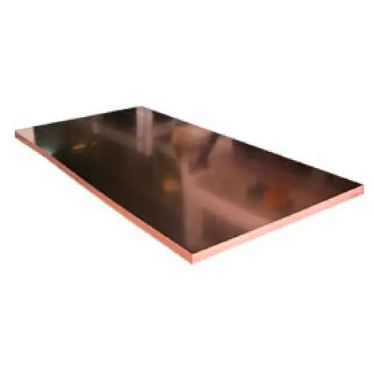
Oxygen-free copper buttons are highly durable and resistant to wear, making them suitable for devices that undergo frequent use. Unlike buttons made from lower-quality metals or plastics, OFC buttons maintain their shape, conductivity, and mechanical integrity even after thousands of cycles of pressing or switching.
Moreover, OFC’s resistance to oxidation and corrosion ensures that buttons remain functional and reliable in varying environmental conditions, including high humidity, temperature fluctuations, and exposure to dust or chemicals. This durability translates into longer-lasting devices and reduced maintenance costs, which is particularly important in industrial and medical electronics where reliability is critical.
Oxygen-free copper buttons are widely used in consumer electronics for both functionality and performance. Common applications include:
Remote controls: High-conductivity buttons provide responsive and reliable signal transmission.
Audio devices: In headphones, amplifiers, and speakers, OFC buttons ensure minimal signal loss, preserving sound quality.
Smart devices: Buttons in smartphones, tablets, and wearable devices require durability and precise response, which OFC provides.
Home appliances: Devices like washing machines, microwaves, and thermostats benefit from long-lasting, corrosion-resistant buttons.
In each case, the superior electrical and thermal properties of oxygen-free copper enhance user experience, device reliability, and longevity.
Beyond consumer electronics, OFC buttons play a critical role in industrial and professional equipment. In factories, control panels, and automation systems, reliable buttons are essential for safety and operational efficiency. Oxygen-free copper ensures that buttons maintain consistent performance even in demanding environments with high vibration, temperature changes, or exposure to chemicals.
In medical equipment, precision and reliability are paramount. OFC buttons in devices such as diagnostic machines, monitoring systems, and surgical instruments guarantee accurate signal transmission, contributing to patient safety and effective operation.
Oxygen-free copper buttons outperform standard copper or other metal buttons in several ways:
Lower Electrical Resistance: OFC buttons allow faster, more accurate signal transmission.
Improved Thermal Stability: Efficient heat dissipation reduces the risk of overheating and material fatigue.
Enhanced Corrosion Resistance: Minimal oxygen content prevents oxidation, maintaining performance over time.
Greater Durability: OFC’s strength ensures longevity even with repeated mechanical stress.
Consistency and Reliability: Every button maintains uniform electrical and tactile performance, critical in precision electronics.
These advantages make oxygen-free copper buttons the preferred choice in high-end electronics, where performance and reliability cannot be compromised.
Oxygen-free copper buttons can be customized for a variety of electronic applications. The malleability of OFC allows manufacturers to create buttons in different sizes, shapes, and finishes, meeting the specific design and functional requirements of devices. Buttons can be plated with additional metals, coated for aesthetic appeal, or engraved for branding purposes.
This flexibility ensures that OFC buttons are not only functional but also integrate seamlessly into the design of modern electronic devices, balancing performance with visual appeal.
Sustainability is increasingly important in electronics manufacturing. Oxygen-free copper is recyclable and has a long lifespan, reducing waste and resource consumption. Choosing OFC buttons over lower-quality or disposable alternatives contributes to more sustainable production practices and promotes environmental responsibility.
As electronics continue to advance, the demand for high-performance materials like oxygen-free copper is expected to grow. Emerging applications, such as wearable technology, smart home devices, and high-fidelity audio equipment, will increasingly rely on components that provide superior conductivity, durability, and thermal management. OFC buttons are well-positioned to meet these demands, offering both reliability and adaptability in cutting-edge electronics.
Oxygen-free copper buttons combine superior electrical and thermal conductivity, durability, corrosion resistance, and design versatility, making them ideal for electronic devices across consumer, industrial, and professional applications. By ensuring precise signal transmission, consistent performance, and long-term reliability, OFC buttons enhance the functionality and quality of electronic products.
For manufacturers and designers seeking high-performance components that deliver both technical excellence and longevity, oxygen-free copper buttons are a trusted solution. They demonstrate that even small elements, such as buttons, can have a significant impact on the efficiency, reliability, and overall success of electronic devices.


